Government aims to end load-reduction within 18 months
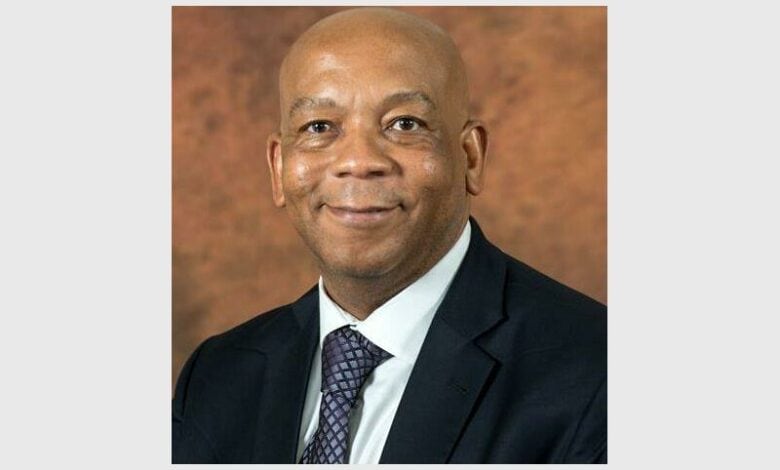
Minister of Electricity and Energy Dr Kgosientsho Ramokgopa said the government would phase out load-reduction within 12 to 18 months through smart meters, tackling illegal connections and upgrading infrastructure.
The government has set its sights on eliminating load-reduction within the next 12 to 18 months.
Minister of Electricity and Energy Dr Kgosientsho Ramokgopa stated at a media briefing in Pretoria on Thursday that the move would benefit 1.69 million households, equivalent to approximately 8.5 million people, affected by the practice.
Load-reduction is the intentional interruption of the power supply in areas where networks are overloaded, particularly during peak demand.
It has primarily been applied in Gauteng, Limpopo, Mpumalanga, and KZN to protect critical infrastructure under strain from illegal connections and high energy losses.
“We will ensure we address the multiple manifestations of the electricity deficit. Today, I am announcing that we are ending load-reduction. This can be achieved anywhere between 12 to 18 months,” the minister said.
Smart meters and targeted interventions
Ramokgopa said the smart meter rollout will be central to the plan. The devices allow Eskom and municipalities to isolate non-paying customers without penalising paying households connected to the same transformer.
Additionally, smart meters will allow for the allocation of free basic electricity (FBE) to indigent households more effectively. Of the 2.1 million customers eligible for FBE, only 485 000 receive it. To ensure fair access, the government will review the Free Basic Electricity Framework, which provides 50kWh per month.
The minister said this quota could be increased to 200kWh to reflect the average monthly consumption of low-income households.
“For that to succeed, we need municipalities to create robust indigent registers. Once the rollout is complete, we will ensure universal access and eliminate load- shedding and load-reduction,” Ramokgopa explained.
Tackling illegal connections and infrastructure strain
The minister warned of expected resistance from people and syndicates profiting through illegal connections, including rogue employees in Eskom and municipalities.
Illegal connections are a major contributor to infrastructure damage, with 771 transformer failures reported to date.
“As part of this effort, we will regularise communities, particularly informal settlements, by rolling out proper infrastructure so everyone has access to legally procured electricity,” Ramokgopa said.
Infrastructure upgrades and alternative solutions
Besides smart meters, the government will refurbish and maintain electricity distribution networks, introduce solar and battery storage systems and expand electrification in rural communities. Two villages in Musina, Limpopo, have already benefited from these initiatives.
Ramokgopa confirmed that the government and local manufacturers are working to accelerate smart meter production, ensuring compliance with Eskom standards.
“These measures will strengthen our electricity distribution system, protect infrastructure and deliver a more reliable service,” the minister added.