WATCH: End in sight as Plastic City continues to be demolished
Various stakeholders worked to clear out the last remainders of Plastic City on Tuesday.
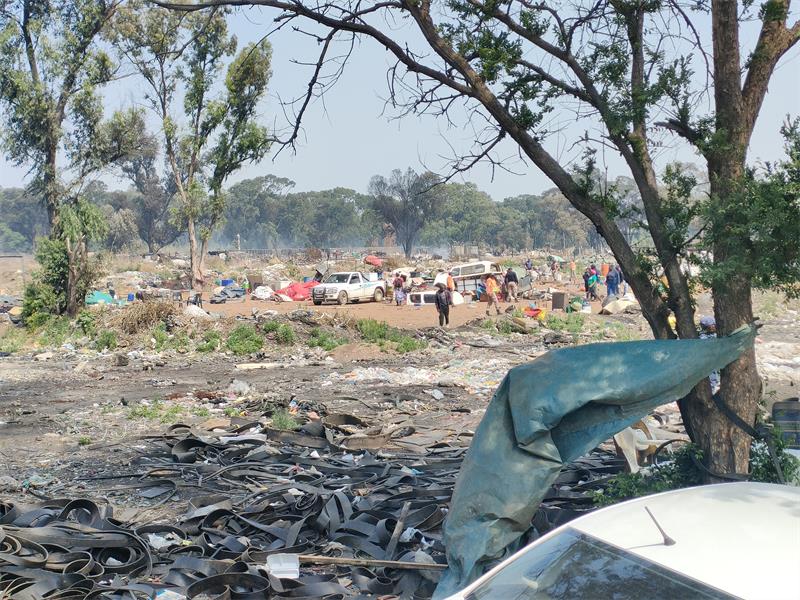
A handful of Plastic City residents who had returned to the settlement on October 14 to rebuild or recover what remained of their belongings were seen scrambling to collect their possessions before being dispersed once again.
The EMPD Land Invasion Unit, Department of Home Affairs and other divisions in law enforcement, as well as individual stakeholders, took part in what is expected to be the last large-scale operation to clean up the settlement.
The next step is to rehabilitate the land and restore nature. Among the individual stakeholders were Marius van der Merwe, better known as Vlam, the Brakpan SPCA inspectorate team, and Drummond Doig from AfriForum Brakpan.
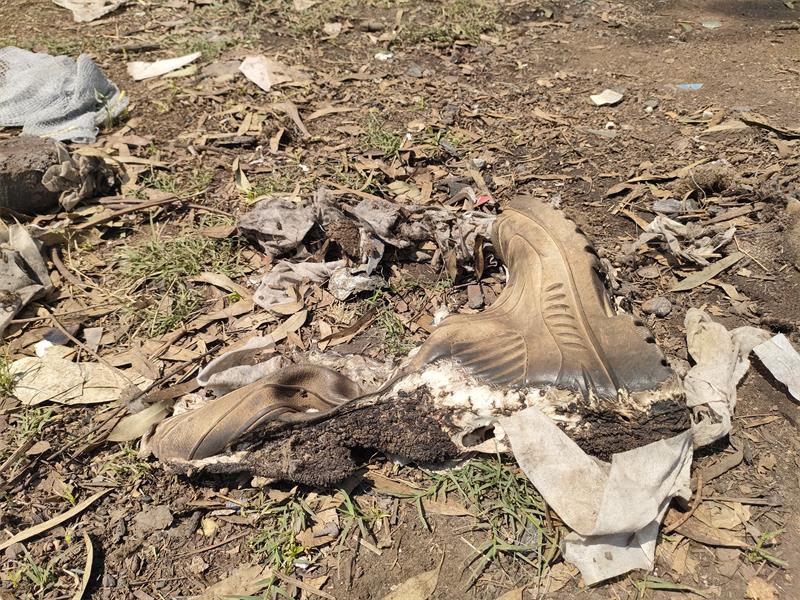
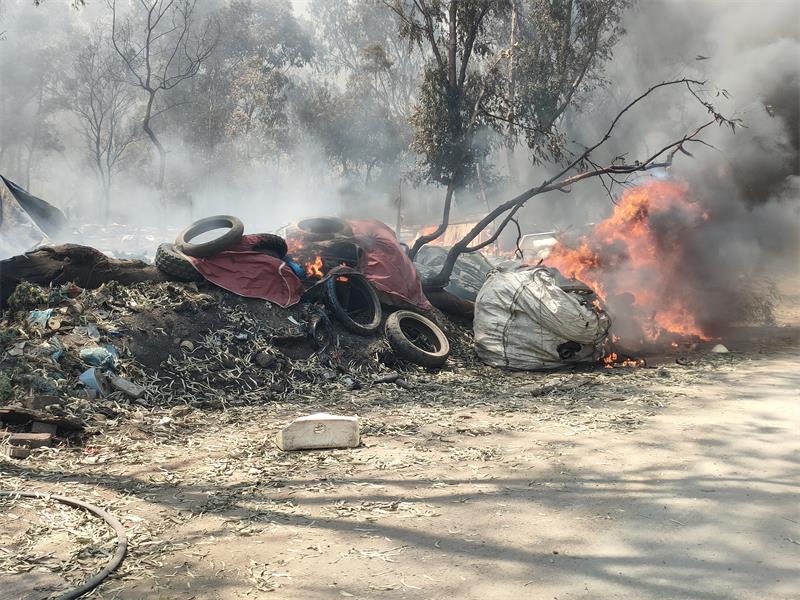
The operation saw the demolition of new shacks and any old structures still standing, and the debris set on fire.
The SPCA team were also present to search for stray animals. Individuals were seen fleeing the scene, while some were arrested.
Gunfire could be heard, accompanied by the popping sounds of burning fires, which closely resembled gunshots.
A lone woman carrying a bucket and some chickens was stopped by Brakpan SPCA inspector Mariska Venter.
The woman could be heard repeating “It’s mine, it’s mine.”
Venter only wanted to show her a more stable way of carrying the chickens, but the desperation of the residents losing their homes was palpable.
Many residents in surrounding suburbs are thankful for the ongoing operation, and the teams involved have received donations of food and refreshments from throughout the community.
By 11:00, the informal settlement was once again filled with acrid smoke, not from the residents, but from the heaps of debris and demolished shacks being set alight.