GALLERY: Johannesburg South Garden Club meeting – Eating for the future
They spoke about reviving traditional South African plants and endangered foods, keeping members entertained throughout as they learnt about some foodstuffs they had never even heard of.
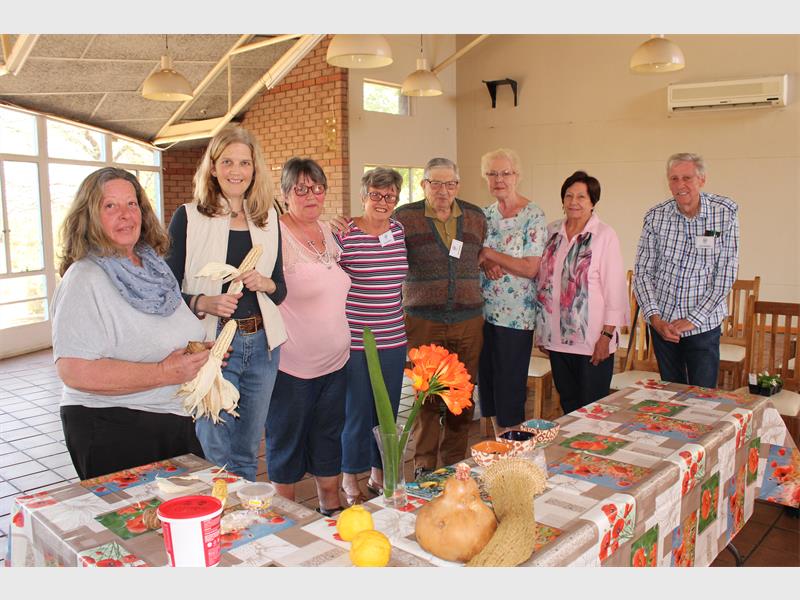
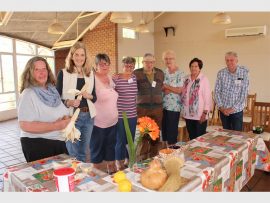
GUEST speaker Melissa de Billot, along with Rosemary Sneyd, attended the Johannesburg South Garden Club meeting on September 14.
They spoke about reviving traditional South African plants and endangered foods, keeping members entertained throughout as they learnt about some foodstuffs they had never even heard of.
“It’s really interesting to dig deep and try to find out about the stories of some of the foods grown which our ancestors ate,” Melissa said.
She spoke about how she has gleaned a lot of information from Slow Food International about the history of foods and how seeds of foods are being handed down through generations to keep the foods growing.
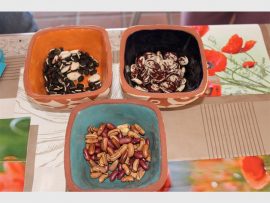
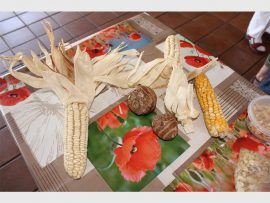
“Mealie meal was grown by farmers many years before it appeared in the shops. Through generations the seeds were kept and passed down through their families, and so we have some which are still being planted and grown today,” added Melissa. “These seeds though are not your pure yellow seeds, some are purple, some are brown and others red, so when the mealie meal is grown it can be all of these colours mixed together. If you go to Woolworths, Checkers or Pick n Pay, you’ll buy pure yellow corn on the cob, but we do hope to be able to introduce the ‘less perfect’ corn once we’ve collected enough seeds and grown enough to make it a viable source to sell into the shops.” Rosemary showed the members the different colours of the mealie meal seeds as well as some other heritage veggies, while Melissa carried on with her talk.
“The good news is the revival of many heritage veggies. Some farmers in KwaZulu-Natal, especially the Indian community, have revived the pink-tipped double bean which is far more expensive still than the green bean, but hopefully in time it will become less expensive once it’s grown more.
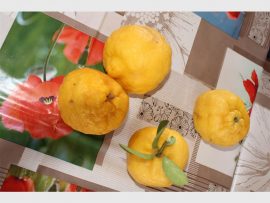
“In the Cape, the Cape rough lemon grows profusely and is far better adapted to South Africa. You won’t see it in shops because consumers want to purchase a perfectly smooth lemon. You may find it to buy at farm stalls, especially in the Cape. The skin is rough, but is perfect for baking. In Kimberley, you’ll find many of the streets lined with these lemon trees.
“The history of foods should be appreciated more; I think it will become a much more interesting topic once more farmers and gardeners are growing heritage veggies.”
Melissa mentioned a farm near Rustenburg where the Rex Union orange is grown.
“This is the only farm left in South Africa which grows these type of oranges. They make the most delicious marmalade.
“Each traditional food has a story to tell. Start to educate yourself and learn to grow your own veggies and fruit. You can feed a family of eight on a piece of land the size of a door, alternating veggies for the different seasons. People think veggies, including salad items, are difficult to grow, but they really aren’t and if you have a large or a small garden give it a go,” enthused Melissa. For more information visit www.slowfood.com
Dennis Boddington, chairperson of the garden club thanked Melissa and Rosemary for coming along and sharing their passion of heritage veggies and fruit.
“It’s been an extremely interesting meeting, thank you.”
The next garden club meeting will take place on October 1 at 9.30am for 10am at the Geelhout Room, Klipriviersberg Recreation Centre, Peggy Vera Road, Kibler Park. The guest speaker will be Warren Schmidt, who will talk on invasive alien plants.
The monthly show table will be available at this meeting, categories: pot plants, cut flowers, indigenous fruit and vegetables and succulents.
For more information please phone Dennis on 083 642 1967/011 432 6208 or Jean Stothart (vice-chairperson) on 082 459 1141/011 435 4230.
VIEW GALLERY: