Communities can make a difference
FOURWAYS GARDENS – As Witkoppen Clinic marks World Aids Day, Dr Jean Bassett would like to remind people that the community has the power to stop infection.
An estimated 270 000 people in South Africa contract HIV each year, according to the Lancet HIV Journal. This World Aids Day, the staff at Witkoppen Clinic want to remind people that communities can make all the difference in the fight against infection.
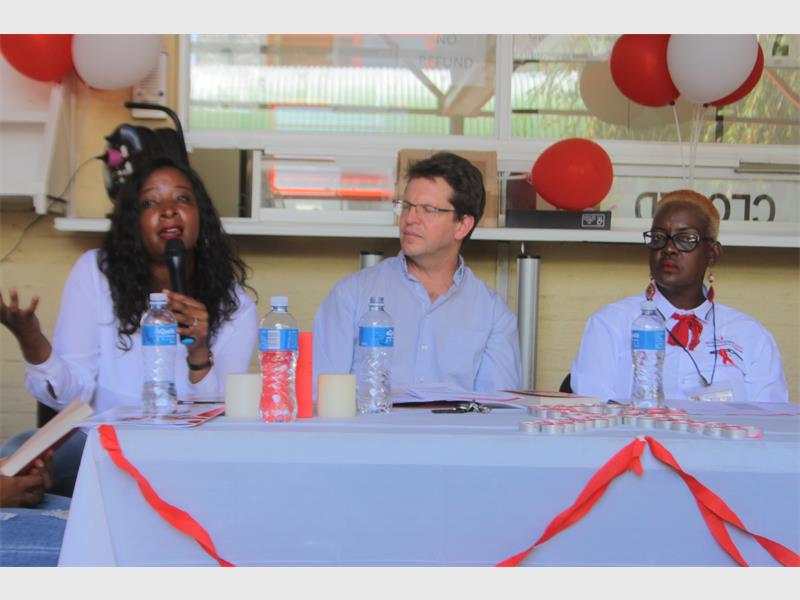
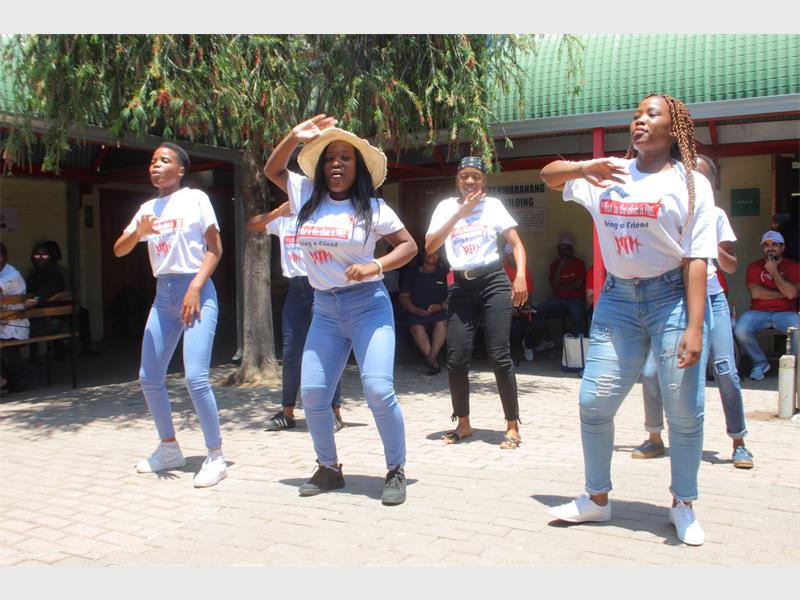
On 28 November Witkoppen Clinic celebrated World Aids Day (which falls annually on 1 December) with a special event in line with this year’s theme ‘Communities Make the Difference’. Held at the clinic on William Nicol Drive, the day saw performances from the Witkoppen Youth Advisory Board, guest speakers, and a panel discussion on how communities can come together to fight the spread of infection.
A special guest on the day was Angela Makholwa, the author of The Blessed Girl, a novel which focuses on the blesser/blessee relationship and the impact this can have on the well-being of South African girls and women.
“Our event is us responding to the global celebration of World Aids Day,” explained Dr Jean Bassett, the executive director of the clinic. “It’s also really to honour both people who are infected and affected by HIV.
“This year’s theme focuses on the role of communities in the fight against HIV/Aids, and Witkoppen is really on the ground in that fight, with 21 teams working out in the community in both Region A and B.”
he ages of 15 and 19 are being treated for HIV today compared to in 2010, and the illness disproportionately affects women compared to men as nine in 10 people actively receiving treatment are female. The stigma of the disease is still an issue and can be a barrier to care.
“We are really encouraging people to get tested for HIV and then to start treatment on the same day,” Bassett continued. “People who take their medication every day can live healthy, normal lives, and taking your medication also prevents the spread of the illness.
“Once a person is diagnosed, they should make sure that they are linked to care. Not only are there mobile clinics you can go to, but there are also local clinics willing to help. If someone is newly diagnosed and just wants to talk to someone [about what to do], they are welcome to contact us.”
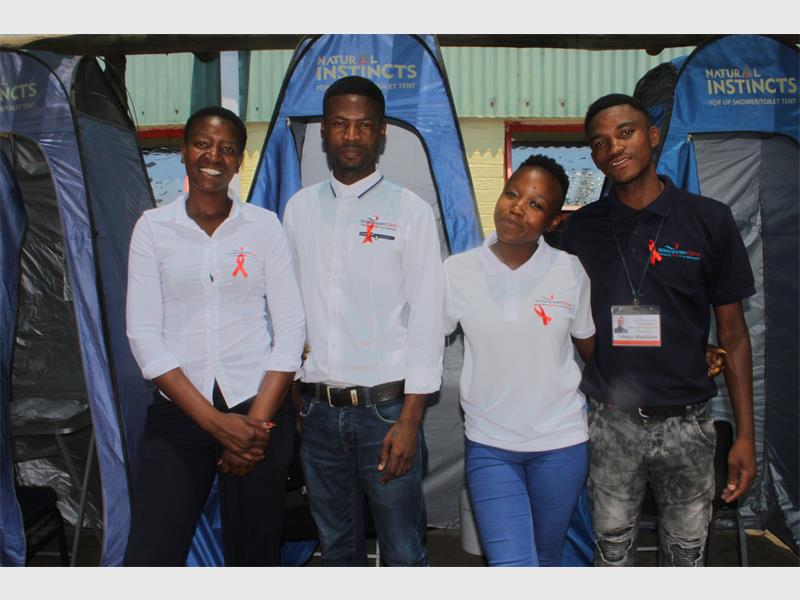
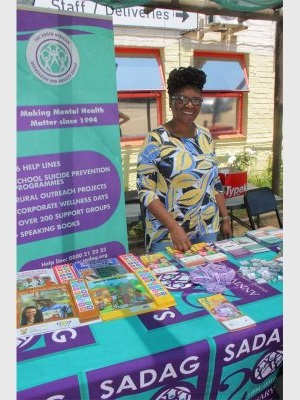
During the event a number of stalls were erected in the entrance to the clinic in order to encourage visitors to explore and engage with the services offered there, and oral HIV tests were also done by staff members.
Related Article: