Rare Disease calls for equity in diagnosis and care
Rare Disease month shines a spotlight on millions living with overlooked conditions, calling for equity in diagnosis, treatment, and support in South Africa and across the world.
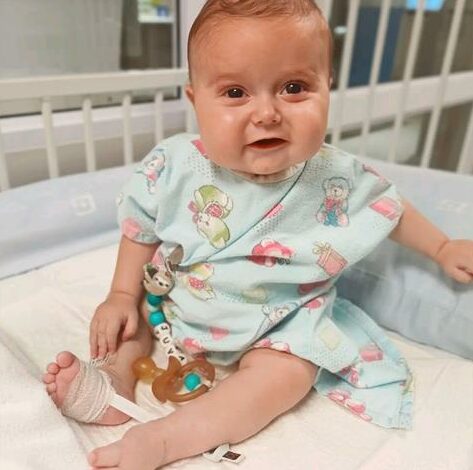
February is known for being a month of love, but it also ends with something profound.
Rare Disease South Africa, a Fourways-based organisation, said February 28 marked World Rare Disease Day, and they were dedicated to spreading the knowledge to the community while showing love to those with rare syndromes.
According to Nomsa Mtshali, the head of patient services at Rare Diseases South Africa (RDSA), globally, more than 300 million people are living with one of the more than 7 000 known rare diseases.
Read more: Fourways mother seeks community help as teen battles another brutal, rare condition
“In South Africa, an estimated one in 15 people, more than four million individuals, are affected. Despite these numbers, rare diseases remain largely under-recognised, underdiagnosed, and underfunded,” she said.
She added that this year’s theme was Equity, a call to ensure that people living with rare diseases receive the specific support they need to live meaningful and dignified lives.

“Equity is about recognising that rare disease patients face unique and complex barriers. It’s not enough to offer the same services to everyone. We must ensure patients can access the right specialists, the right treatment, and the right support at the right time.”
The hidden struggles behind a rare diagnosis
Mtshali said for many families, the journey began with uncertainty. Patients often endure years of medical appointments, incorrect diagnoses, and repeated tests before finally receiving answers.
She added that a delayed diagnosis was one of the most devastating challenges families faced.
“Many of our patients spend years searching for answers. During that time, conditions may worsen, and families are left emotionally and financially drained. Early and accurate diagnosis can completely change the trajectory of someone’s life.”
According to Mtshali, limited specialist access, fragmented healthcare services, and the high cost of therapies place enormous strain on families. “No one fighting a life-threatening or life-limiting condition should also have to fight the system.”
The financial and emotional toll
Approved treatments for rare diseases are often costly, and funding or reimbursement options are limited. Beyond medical bills, families may face lost income if caregivers are unable to work.
The emotional burden can be equally heavy. Lack of awareness frequently leads to stigma, misunderstanding, and isolation at school, in workplaces, and within communities.
“Rare disease patients often feel invisible. Part of our work is ensuring that they are seen, heard, and included in decisions that affect their lives.”
How Rare Diseases South Africa supports families
Mtshali said through its patient-centred approach, Rare Diseases South Africa supported individuals from diagnosis through long-term care.
“We guide families through the diagnostic process, connect them with specialists, and help them navigate funding pathways. But support goes beyond medical care; we offer emotional counselling, peer support networks, and advocacy platforms so patients know they are not alone.”
Also read: Seeking help for a life free of pain
RDSA also works to educate healthcare professionals, influence policy development, and raise national awareness about rare diseases.
“Our mission is to transform isolation into community and uncertainty into empowerment.”
The power of an early diagnosis
Early diagnosis can significantly improve quality of life by enabling faster access to treatment, better symptom management, and informed life planning.
“When patients receive answers sooner, they can begin appropriate treatment earlier, potentially slowing disease progression and preventing complications. It also allows families to plan emotionally and financially. and practically with clarity rather than fear.”
Campaigns driving awareness in 2026
Rare Disease 2026 includes several initiatives designed to build visibility and community participation:
- #Move4Rare campaign, encouraging walking, running, cycling, or swimming to raise awareness and funds
- RDSA Family Fun Day on 28 February in Cape Town
- #Swim4Sadie at the Midmar Mile (7–8 February)
- #Ride4Rare at the Cape Town Cycle Tour (8 March)
- For more information or support, visit: www.rarediseases.co.za
Follow us on our Whatsapp channel, Facebook, X, Instagram and TikTok for the latest updates and inspiration!