
Centennial Schools founder says education must evolve to prepare learners for global careers
As the workplace becomes more advanced, experts warn that schools must prioritise critical thinking, literacy, and digital skills to equip learners for the future.
Educational institutions are being asked to educate students for occupations that concentrate more on industries, nations, and technology, as the workplace continues to change in a fast-paced environment.
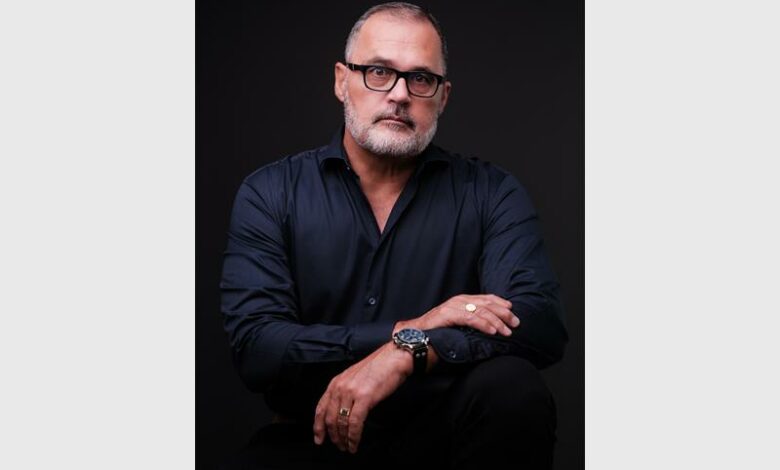
Shaun Fuchs, founder of Centennial Schools, believes that traditional approaches to education are no longer sufficient in a world where careers are becoming increasingly hybrid.
“The world of work is changing fast. Careers no longer sit neatly within a single industry, city, or even country. Careers, such as AI prompt engineering, climate and sustainability, and digital health, require a blend of skills ranging from technology and science to communication and critical thinking.”
Read more: Education expert shares why learners mental health matters most in 2026
Despite their differences, these careers share a common requirement: Strong foundational skills.
According to Fuchs, education should move beyond content delivery and focus on equipping learners with essential abilities, such as critical thinking, clear communication, and the application of knowledge across different contexts.
A key concern raised is that of South Africa’s literacy challenge. Research shows that a significant number of Grade 4 learners cannot read for meaning, which Fuchs described as not only a literacy issue but a broader future skills crisis.
“Early education must prioritise reading comprehension, as well as the ability to articulate ideas and engage with complex information. Critical thinking is important in an age shaped by artificial intelligence and big data.
“Learners need to be able to question information, recognise bias, and make informed decisions, rather than rely on memorisation alone.”
Fuchs said the growing need for data literacy and systems thinking, skills that enable learners to interpret information, identify patterns, and understand how different systems interact, should be embedded as core competencies.
Also read: Sedumedi Hope Foundation appeals for Easter donations for children with cancer
“It is not about replacing traditional learning with technology; it’s about teaching learners how to use it responsibly and effectively.
“Schools must also focus on developing human-centred qualities, such as empathy, collaboration, and ethical decision-making, and global research supports this shift.”
The World Economic Forum future of jobs report 2025 identifies analytical thinking, creativity, resilience, and technological literacy as key skills for the future workforce, while also highlighting the need for continuous learning.
At Centennial Schools, efforts are already being made to adapt. The school has introduced a two-teacher model in its foundation phase classrooms to better support literacy, numeracy, and problem-solving skills.
Fuchs said preparing learners for global careers is not about predicting specific jobs, but about equipping them with the ability to adapt and thrive.
“It is about giving them the skills to learn, grow, and lead, no matter how the world of work changes.”
Follow us on our Whatsapp channel, Facebook, X, Instagram and TikTok for the latest updates and inspiration!