
Meet the plants that eat insects
What if the next predator you encountered wasn't an animal, but a plant? From Venus flytraps to pitcher plants and sundews, step inside Jozi Carnivores in Kyalami and discover how these extraordinary plants survive by turning insects into dinner.

A fly lands on what appears to be an ordinary leaf. Within seconds, the leaf snaps shut, sealing its unsuspecting victim inside. Elsewhere, another insect loses its footing on the slippery rim of a colourful tube, tumbling into a pool of digestive fluid from which there is no escape.
Nearby, another is lured by sparkling droplets that resemble morning dew, only to discover they’re actually sticky glue. It may sound like science fiction, but these remarkable carnivorous plants are very real.
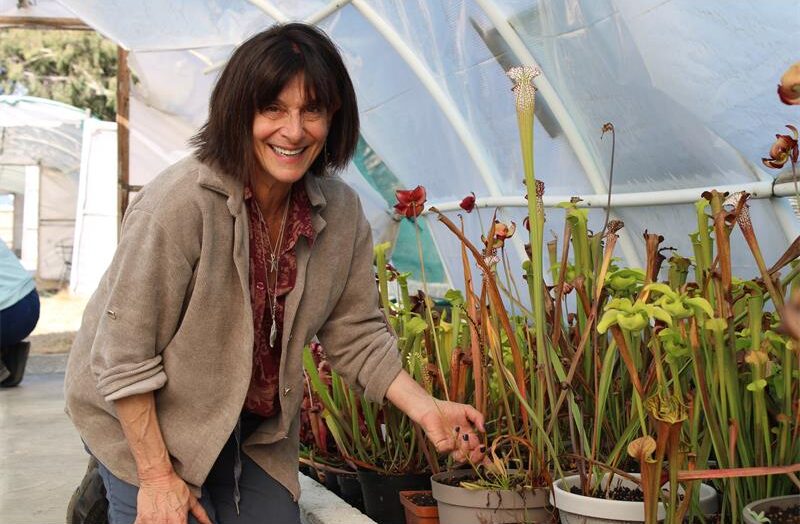
Hidden among the greenery at Jozi Carnivores, a specialist nursery in Kyalami, are some of nature’s most extraordinary survivors. These plants have evolved to attract, trap, digest and feed on insects.
Read more: Lonehill Dam overrun by mysteriously aggressive plant
“There are over 600 species of carnivorous plants that obtain nutrients from the insects they catch,” said founder and carnivorous plant expert Renee Mendelow.

“They grow in habitats where the soil is acidic and nutrient-poor, such as swamps, bogs and rocky outcrops. Their leaves have evolved into specialised traps that allow them to obtain vital nutrients like nitrogen and phosphorus that are scarce in the soil.”
Unlike ordinary plants that rely mainly on nutrients absorbed through their roots, carnivorous plants supplement their diet by digesting insects. “Because they don’t depend heavily on soil nutrients, they can thrive in places where most other plants cannot, avoiding competition from faster-growing species.”
Masters of deception
To catch prey, carnivorous plants have developed a remarkable range of traps. “They use a combination of scents, colours and nectar to lure insects towards them.”
Perhaps the best-known is the Venus flytrap. Its trap consists of two hinged lobes lined with sensitive trigger hairs. When an insect touches the hairs twice in quick succession, the trap snaps shut, imprisoning the prey. After digestion, the trap reopens, leaving only the insect’s exoskeleton behind.
“Pitcher plants use a completely different strategy. Their colourful, tube-shaped leaves lure insects with nectar, scent and colour. Once an insect lands on the slippery rim, it falls into the digestive fluid below. Downward-pointing hairs prevent escape until the prey is digested.
“Sundews rely on sticky tentacles tipped with glistening droplets that resemble dew. The insect becomes trapped in the adhesive mucilage while the leaf slowly curls around it, releasing digestive enzymes.”
Mendelow said the butterworts similarly use sticky leaves, while aquatic bladderworts employ tiny vacuum-sealed traps that suck unsuspecting prey inside in a fraction of a second.
Also read: Fourways Gardens EcoKids plant the seeds for a greener future
What happens after the catch?
Capturing prey is only the beginning. The traps contain glands that secrete digestive enzymes. “These enzymes break the insect down into absorbable nutrients, which are then transported throughout the plant for growth.”
She said anything indigestible, such as the insect’s exoskeleton, is left behind or eventually removed by wind or rain. “Different species digest prey in different ways. Sundews and butterworts release enzymes directly onto trapped insects. Venus flytraps seal almost airtight after closing, effectively turning each trap into a tiny external stomach.”
Pitcher plants digest prey in pools of enzyme-rich fluid, often assisted by bacteria and microbes that help break down insects even further. Some species rely almost entirely on this microbial community.
Their menu is bigger than you think.
Although ants are common prey, carnivorous plants consume far more than that. Depending on the species and the size of the trap, they feed on flies, gnats, mosquitoes, beetles, wasps, spiders, moths, springtails, mites and occasionally even small butterflies.
Carnivorous plants occur on every continent except Antarctica and play an important ecological role.
“They’re a great form of organic pest control. Pitcher plants and sundews consume significant numbers of flies, gnats and mosquitoes, helping naturally regulate insect populations.”
By digesting insects, they also recycle valuable nutrients such as nitrogen and phosphorus back into nutrient-poor ecosystems.
Pitcher plants create miniature ecosystems of their own. Their water-filled traps become home to mosquito larvae, mites, bacteria and specialised insect larvae. Some frogs and spiders even use pitcher plants for shelter or breeding.
Because these plants are highly sensitive to changes in water levels, soil nutrients and acidity, scientists also regard them as important indicators of healthy wetlands. A decline in carnivorous plant populations can signal pollution or habitat degradation.
“Although they represent only a small group of plant species, they make a disproportionately large contribution to biodiversity and the health of fragile wetland ecosystems.”
Growing one at home
Despite their fearsome reputation, carnivorous plants can make excellent houseplants when given the right care. “Many people think they’re difficult to grow, but most species are surprisingly hardy once you understand their basic requirements.”
Light is essential. Venus flytraps, sundews and trumpet pitcher plants require several hours of bright sunlight each day to develop healthy growth and vibrant traps, while tropical pitcher plants prefer bright, indirect light.
Water is equally important. Mendelow recommends using rainwater, distilled water, or reverse osmosis water. “Tap water contains minerals, chemicals and salts that build up in the soil over time and can slowly kill the plant.”
The growing medium should also mimic their natural habitat. Ordinary compost is too nutrient-rich. Instead, carnivorous plants thrive in nutrient-free acidic media such as sphagnum peat mixed with perlite.
Some species, including Venus flytraps and most trumpet pitcher plants, also require a winter dormancy period. Tropical species such as nepenthes, however, prefer consistently warm temperatures throughout the year.
Separating fact from fiction
Movies have given carnivorous plants a terrifying reputation, but Mendelow said most of the myths are just that. “Even the largest species pose absolutely no threat to people. The vast majority survive on insects and other tiny invertebrates.”
She also discourages feeding them meat or human food. “People often think they need to be fed constantly, but overfeeding or feeding the wrong food can damage or even kill the trap.”
For more information, contact Jozi Carnivores at jozicarnivores@gmail.com or 082 856 9876.
Follow us on our Whatsapp channel, Facebook, X, Instagram and TikTok for the latest updates!