The fight to save Paulshof’s river confluence
Land reserved for the future K60 road has become the centre of a growing dispute involving informal occupation, environmental degradation, public safety concerns, and questions about government accountability.
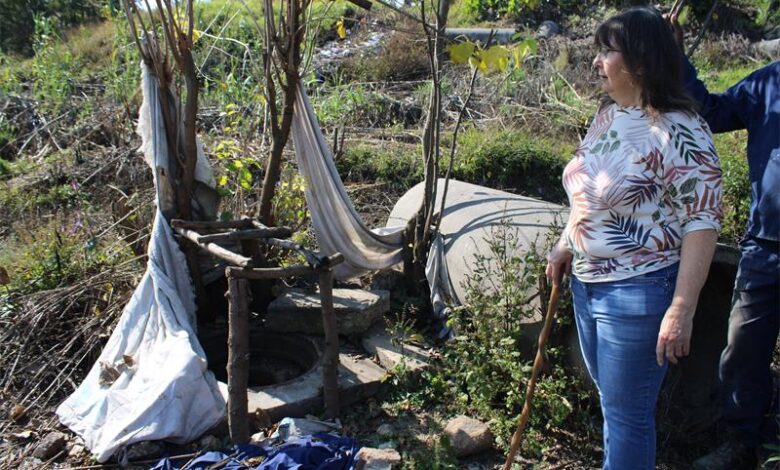
At the point where the Braamfontein and Sandspruit rivers merge, before flowing into the Jukskei River, residents say a slow-moving crisis is unfolding.
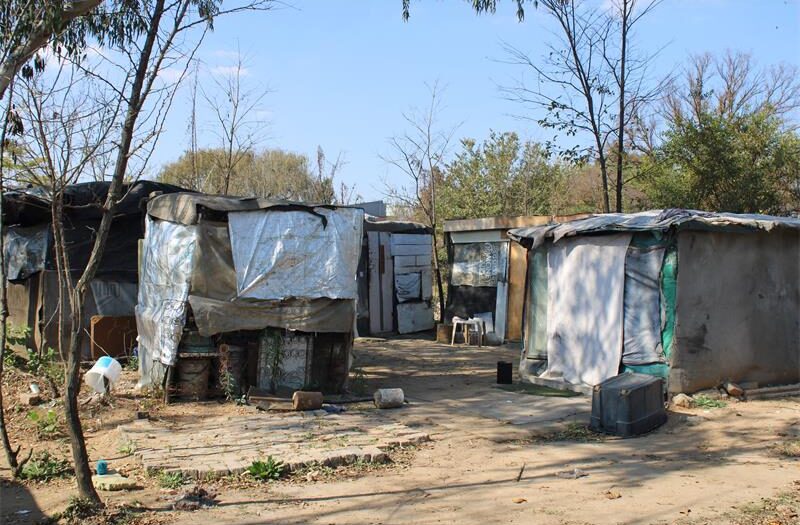
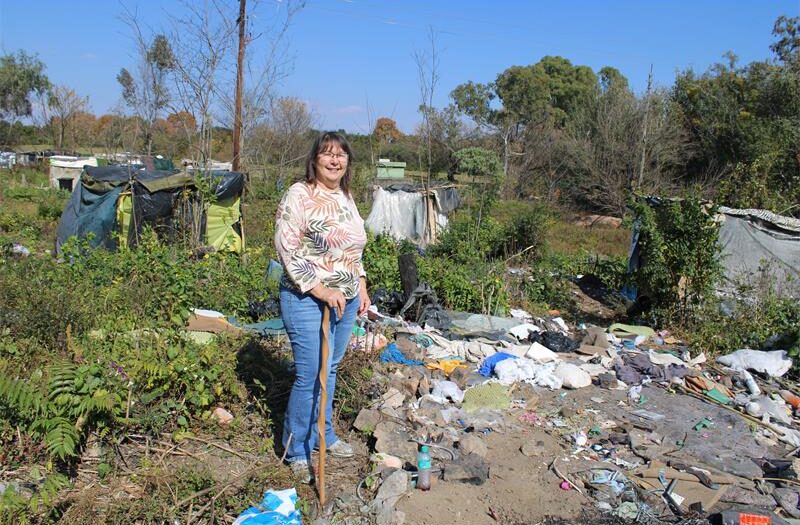
What should be a protected provincial road reserve, earmarked for the future K60 (Van der Bijl Drive) has, according to residents, become increasingly occupied by informal structures, illegal dumping activities, waste recycling operations, and growing environmental degradation.
A recent site visit by Fourways Review and the Paulshof Residents and Ratepayers Association (PRRA) revealed informal structures, litter, and signs of human activity extending into the river corridor. Neighbouring landowner Kai Hichert described the area as one of Johannesburg’s most important river confluences. “This area was set aside for the K60 many years ago, but today it has become occupied by informal structures. We are seeing increasing amounts of waste, litter, and environmental damage in what should be a protected area.
Read more: Sewage spills continue to foul Jukskei River
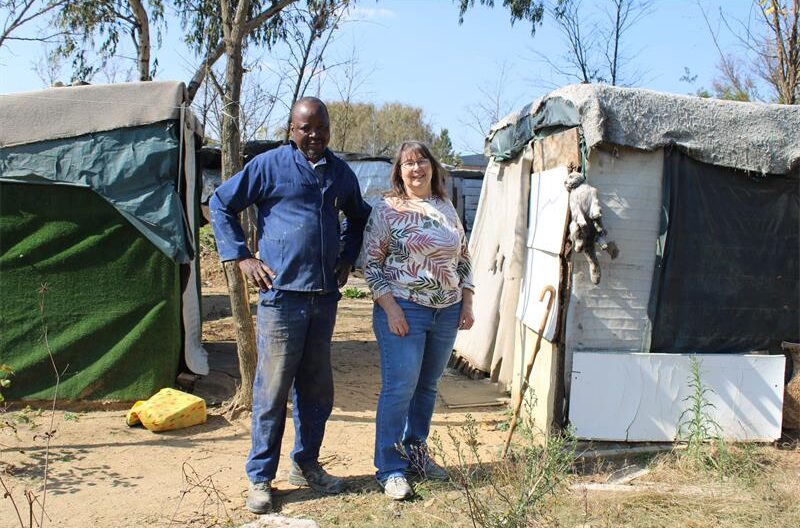
“We want people to enjoy the park, river system, and public open spaces, but that becomes difficult as the area continues to deteriorate.”
Informal settlement growth
During the site visit, Fourways Review spoke to Tshepo, a Lesotho national who said he has lived in the settlement for about three years. He said other occupants were already living there when he arrived. When asked whether residents knew they were occupying the land unlawfully, Tshepo acknowledged that they did, saying that Johannesburg Metropolitan Police Department (JMPD) officers had attempted to remove occupants on several occasions.
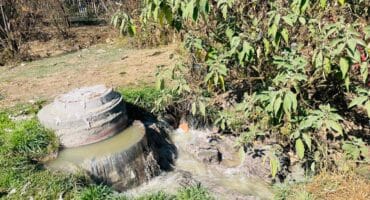
The visit also revealed an open sewage drain apparently being used as a toilet facility. When questioned about the environmental and health risks associated with the practice, Tshepo declined to comment.
Residents argue that inadequate sanitation, combined with waste accumulation and continued occupation of the reserve, poses risks to both the river ecosystem and public health.
Gauteng acknowledges challenges
The Gauteng department of roads and transport (GDRT) MEC’s spokesperson, Lesiba Mpya, said: “The department is aware that portions of the road reserve have experienced illegal occupation and associated activities over several years. These activities have included the erection of informal structures, illegal dumping, waste recycling operations, and other forms of encroachment within the reserve and adjacent river corridor.”
Mpya said the department recognises residents’ concerns regarding environmental impacts, public safety, and the protection of land required for future infrastructure development. “The continued encroachment of the road reserve presents challenges to both the preservation of the future transport corridor and the implementation of the planned road infrastructure.”
A multi-agency problem
While residents have repeatedly called for stronger enforcement, Mpya maintains that resolving the issue requires co-operation across multiple government departments. “The department, together with relevant stakeholders and authorities, has periodically monitored conditions within the road reserve and remains engaged on matters relating to illegal occupation and land invasions.”
He noted that informal settlement management, environmental compliance, waste management, law enforcement, and social interventions fall under different areas of government responsibility. “As such, a co-ordinated intergovernmental approach is required to address these complex issues effectively and sustainably.”
The department added that it remains committed to protecting land reserved for future transport infrastructure and safeguarding strategic transport corridors from unlawful encroachment.
Political pressure
Gauteng MEC for Agriculture and Rural Development Vuyiswa Ramokgopa said her office became involved after residents raised concerns about environmental degradation, lawlessness, and the growth of informal settlements. “When we took up this issue, our primary objective was to exert political pressure, while also using the resources at our disposal to engage constructively with the city.”
Also read: Devastating environmental crisis swallows the vital Paulshof river confluence
Ramokgopa said her office engaged several City of Johannesburg departments and political office bearers, including MMCs and the executive mayor. Although no formal feedback was received, she said there were signs of progress, including community engagement by city officials and increased JMPD patrols. “Following a meeting held at the river with city officials, our office was included in subsequent engagements. The city undertook to establish follow-up processes and continue working with us to address the issue. Unfortunately, despite these commitments, communication has since gone silent.”
Ramokgopa described the situation as a failure of leadership and accountability. “We will continue to exert political pressure until this matter is addressed with the urgency it deserves.”
What’s next?
Mpya said the department remains committed to advancing the K60 project, while balancing infrastructure, environmental, and social considerations. “The department continues to engage with relevant municipalities, environmental authorities, law enforcement agencies, and other stakeholders to explore appropriate interventions and long-term solutions for the area.”
Follow us on our Whatsapp channel, Facebook, X, Instagram and TikTok for the latest updates!