Sunninghill trader left without receipt as JMPD confiscates goods
An informal trader in Sunninghill says he faces financial ruin after Johannesburg Metropolitan Police Department officers seized his belongings without providing standard paperwork.
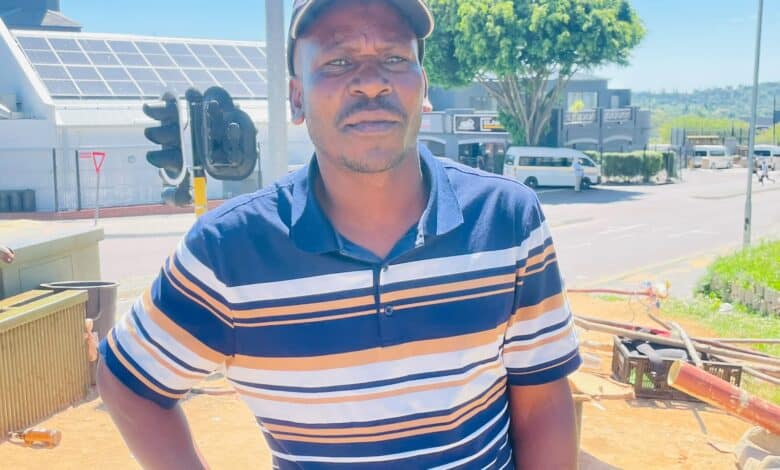
An informal trader in Sunninghill said he has been left at a financial disadvantage after Johannesburg Metropolitan Police Department officers confiscated his belongings without issuing a receipt during an operation on Naivasha and Leeuwkop roads on October 13.
Fourways Review was present during the operation and observed that Dumisa Phoko was not given a receipt for the property removed by officers.
Read more: JMPD reacts to Paulshof petition
Phoko, a father of five, said he relied on street trading to provide for his family and that losing his goods had set him back.
He also made unverified allegations about what happens to confiscated property, claiming that some officers take traders’ belongings to sell in townships.
His claim about the alleged resale of confiscated goods has not been independently verified.
In a previous response, JMPD spokesperson Xolani Fihla explained that authorised officials could remove and impound property they reasonably suspected was being used for informal trading in an area where such trading was prohibited or restricted.
However, he made it clear that officers were required to issue receipts for confiscated property.
“Officers have to provide the informal trader with a receipt for any property removed and impounded,” Fihla said.
According to the procedures outlined by Fihla, the receipt must include a detailed inventory of the items removed, the address where the property will be kept, the impoundment period and the conditions for its release.
Also read: JMPD female officers march to debunk uneducated stereotypes
“It must also specify the applicable impoundment costs, the conditions governing the sale of unclaimed property by public auction, and the details of the municipal official to whom representations about the impoundment may be made, including the relevant deadline,” Fihla stated.
Without a receipt, a trader may face additional difficulties establishing which items were taken, where they are being kept and what steps must be followed to recover them.
Fourways Review contacted Fihla following the operation to establish its objectives, the by-laws being enforced and the procedures traders must follow to recover confiscated property when they have not received receipts.
He was also asked to respond to Phoko’s allegations about the handling of confiscated goods and explain what safeguards are in place to ensure that impounded property is properly recorded and accounted for.
The department was asked to provide a response by 11:00 on October 14, but no comment had been received by the time of publication.
Follow us on our Whatsapp channel, Facebook, X, Instagram and TikTok for the latest updates!