
Fourway’s youth voters share hopes for Johannesburg ahead of 2026 elections
Young residents from Fourways and surrounding areas share their views on unemployment, education and the changes they want to see in Johannesburg ahead of the 2026 local elections.
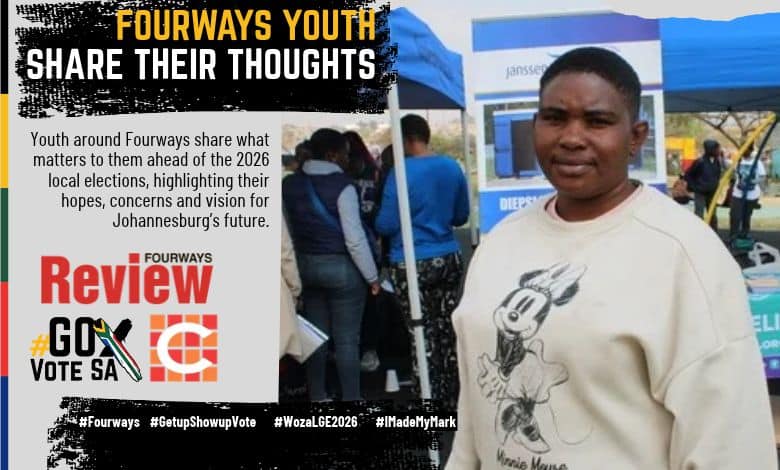
As young residents across the Fourways Review distribution area prepare for the 2026 local government elections, they share their views on voting, the challenges facing South Africa’s youth and the changes they want to see in Johannesburg. From tackling unemployment and improving education to creating safer, cleaner communities and strengthening service delivery, these young voices reflect their hopes for the city’s future and the role they believe they can play in shaping it.
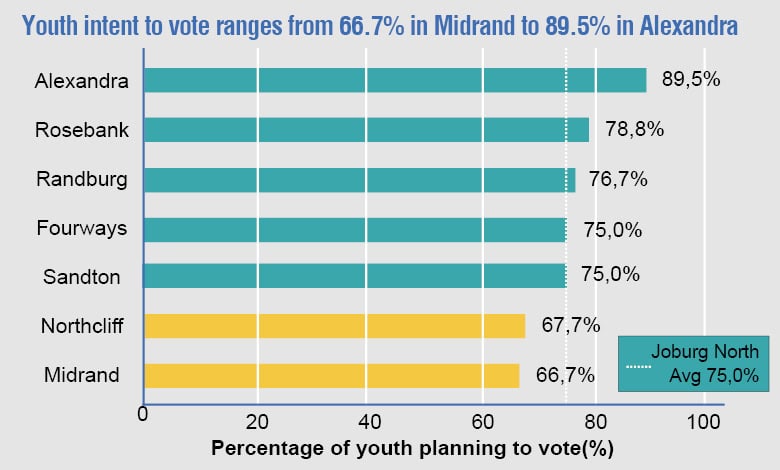
Ahead of the November 4 Local Government Elections, Johannesburg North journalists spoke to 240 young people aged between 18 and 36 across seven communities – Alexandra, Fourways, Midrand, Northcliff, Randburg, Rosebank and Sandton – to gauge their attitudes towards voting, democracy and municipal leadership.
Despite widespread disillusionment, 75% of young residents plan to cast their ballots, viewing their vote as an essential tool to demand accountability rather than a passive duty. Turnout intention peaks in Alexandra at 89.5%, where registration hurdles, rather than political apathy, remain the main barrier for non-voters.
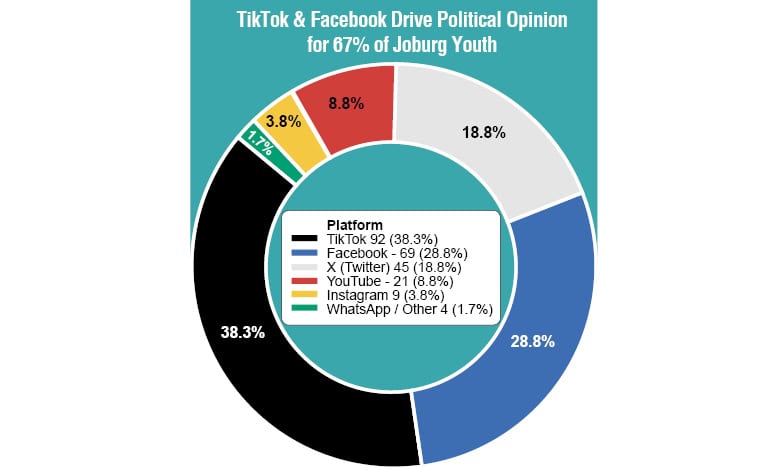
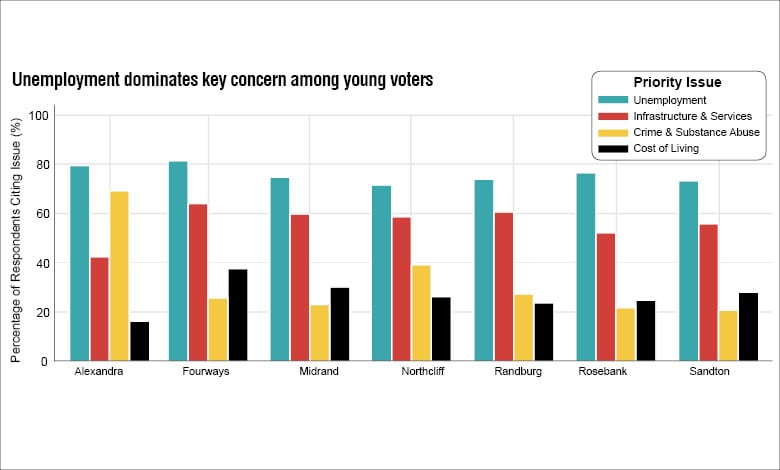
Youth unemployment stands out as the greatest crisis, cited by 71.7% of respondents as their top concern, followed closely by chronic infrastructure breakdowns in water and electricity supply. Political discourse has moved online, with TikTok (38.3%) and Facebook (28.8%) driving political opinions for more than two-thirds of young voters.
However, a steep civic literacy gap persists. While more than 75% of suburban youth recognise Executive Mayor Dada Morero, recognition drops to 31.6% in Alexandra.

Ultimately, young voters are demanding action over political promises, prioritising youth employment pathways, basic infrastructure repairs and community safety for Johannesburg’s next administration.
These were the questions we asked:
1. Name, age, sex, race and highest level of education
2. Will you be voting on November 4 or not? Why?
3. What is the most important issue to you facing the youth of today?
4. Have you voted before?
5. If you were of voting age at the last election, but did not vote, and will be voting this time, what has changed to make you want to vote?
6. If you were of voting age at the last election, but DID vote, and won’t be voting this time, what has changed to make you NOT want to vote?
7. What social media platform drives your political opinion most?
8. Do you understand local government properly?
9. Can you name the current mayor?
10. Can you name your ward councillor?
11. If you were Mayor of Johannesburg, what is the first thing you would do?
Ntobezinhle Zoleka
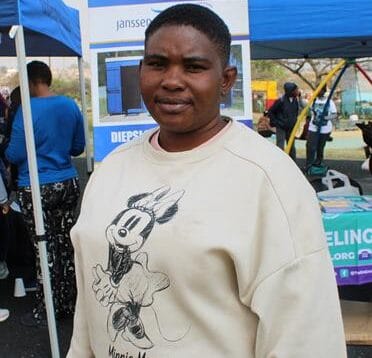
1. 33 years, Grade 11
2. Yes
3. Lack of jobs
4. Yes
5. Because I saw our counsellor really deserved our votes
6. I want to vote
7. Facebook
8. Nope
9. Not sure about him or her
10. 95, Maake
11. I would make a hospital for emergencies in our area and an orphanage
Khanyisa Mathonsi
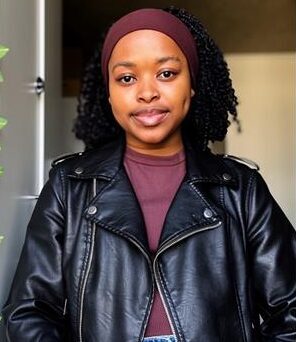
1. 19, female, African, completed matric and currently a first-year medical student
2. Yes, living away from home made me realise that local municipal decisions directly impact my daily safety, transport options, and student lifestyle.
3. The most important issue to me is health care injustices, especially for the majority who depend on public health services, because it affects people of all ages. But specifically, an important issue to me that targets youth is the massive youth unemployment crisis. Graduating into an economy where finding an entry-level job feels nearly impossible is a constant worry.
4. No
5. Not applicable
6. Not applicable
7. TikTok
8. No, I do not.
9. I cannot.
10. I cannot.
11. I would deploy resources to build developed healthcare facilities in poorer regions of Johannesburg. I would increase the workforce in hospitals to reduce staff burnout. I would host workshops for matriculants or dropouts to educate them about unconventional ways of making it out of poverty, e.g., the rising need for people to learn about artificial intelligence, work that has to do with IT and where they can access free courses online to begin their learning
Shannon Smeddle
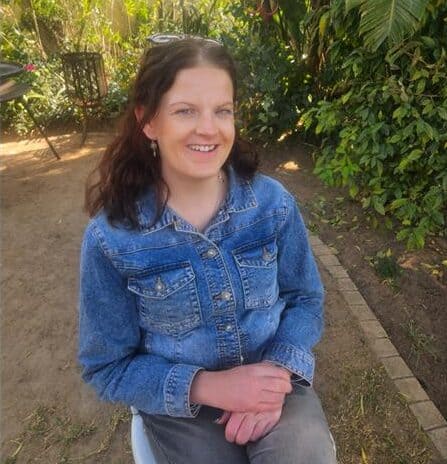
The most pressing issue facing South African youth is unemployment. A lack of job opportunities and a stagnant economy have left many young people feeling discouraged and have forced thousands to seek employment overseas. Creating an environment that encourages economic growth, investment and skills development is essential if we want young people to build successful futures in South Africa.
Khabo Mdluli
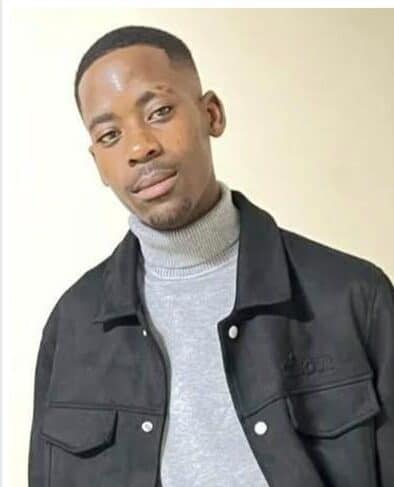
1. 21 years old, Male, Black African. Highest qualification: Admission to a Bachelor’s Degree (NQF Level 7). Currently studying a Bachelor of Education in Senior Phase and FET, majoring in Geography and History.
2. No. Since 1994, democracy in South Africa has been treated like freedom, but they are not the same thing. Voting in this system does not fix the real economic problems left behind by Apartheid.
3. Youth unemployment and bad government spending. The R370 grant is a temporary band-aid that keeps people dependent. That money should be used to build infrastructure and support informal businesses so young people can work for themselves.
4. No, I have never voted.
5. Nothing has changed. I am still not voting because political parties make the same promises while the majority of people still own almost no land or real wealth.
6. Not applicable, as I have never voted.
7. Facebook. Watching videos of parliament and political campaigns shows a clear pattern: different parties make the exact same promises, but nothing actually improves.
8. Yes. Local government is responsible for delivering basic services like water, electricity, rubbish removal, road maintenance, and supporting local business growth.
9. Dada Morero is the Executive Mayor of the City of Johannesburg.
10. No, I do not follow local ward councillors because political representatives rarely deliver on their promises to the community.
11. Fix broken basic infrastructure like water and electricity lines, and use municipal funds to directly support and fund small informal businesses so people can earn their own living.
WhatsApp channel, Facebook, X, Instagram and TikTok for the latest updates!