Johannesburg Metro Police Department what traders should know about impoundments
Following the confiscation of informal trader Dumisa Phoko's goods, JMPD outlines the procedures officers must follow when impounding traders’ belongings.
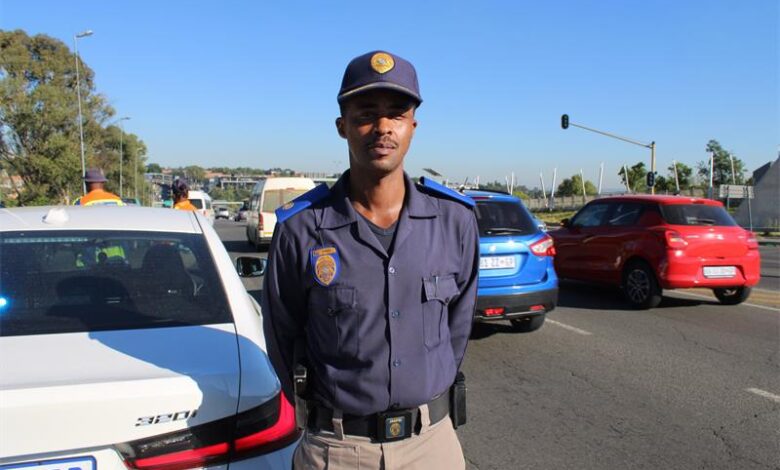
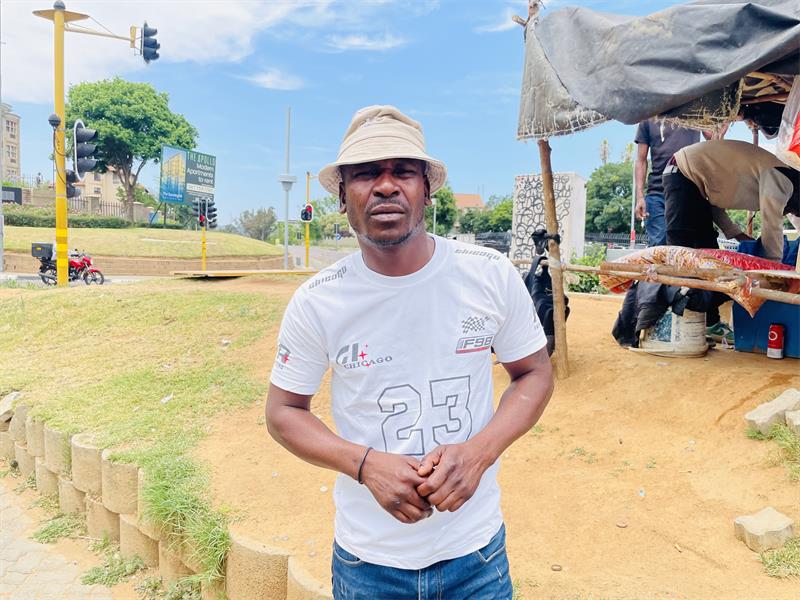
Sunninghill informal trader Dumisa Phoko is back at his trading spot after Johannesburg Metro Police Department (JMPD) officers confiscated his goods, saying that securing a permit is now his priority.
Phoko told Fourways Review during a follow-up visit that officers returned with a receipt after the publication’s journalist and a Ward 93 candidate had left the scene. The document indicated where he could collect his belongings. Furthermore, he has now applied for a permit to legally sell his wares. “They said I must come back on November 5,” he said. The father of five said informal trading remained his only means of earning a living and supporting his family.
Read more: JMPD female officers march to debunk uneducated stereotypes
His experience has raised questions about what traders should expect when their goods are removed during enforcement operations, including the documentation they should receive and the costs involved in recovering their property.
JMPD spokesperson Superintendent Xolani Fihla said the City of Johannesburg supports informal trading, provided traders comply with the informal trading by-laws and other applicable legislation. According to Fihla, the city council designates and demarcates public roads and other municipal properties where informal trading may take place. Traders intending to operate must apply to the city through its department of economic development.
Trading in areas where informal trading is prohibited or restricted is not permitted. Authorised officials may remove and impound property they reasonably suspect is being used, or intended to be used, for informal trading in a restricted or prohibited area. Fihla said officers must provide traders with a receipt for any property removed and impounded. The document should contain a detailed list of the confiscated items and state where the goods will be kept and for how long. It must also explain the conditions for recovering the property, the applicable impoundment costs and the terms relating to the public auction of unclaimed goods.
In addition, the receipt must provide the name and address of a municipal official to whom representations about the impoundment can be made, together with the deadline for doing so.
Also read: JMPD steps up learner transport safety checks in Diepsloot
The stated impoundment costs are R3 501 for non-perishable goods and R1 932 for perishable goods. “Traders whose belongings are impounded should therefore check that they receive the required documentation, that the items are accurately listed and that they know where and how to recover their property. They should also take note of the process and deadline for making representations if they wish to challenge an impoundment,” Fihla said.
Following the October 13 operation, JMPD said an impoundment notice had been issued for Phoko’s goods and that the items were registered at the official Marlboro pound. However, Phoko and the Fourways Review journalist who witnessed the operation did not see a receipt being handed to him at the scene. Phoko has since clarified that officers returned with the receipt after they had left.
For Phoko, the immediate priority is obtaining his permit and continuing to trade. “I am trying to make a living for me and my family,” he said.
Follow us on our Whatsapp channel, Facebook, X, Instagram and TikTok for the latest updates!