
Transplant Education for Living Legacies: What to know about lung transplants
All you need to know about lung transplants.
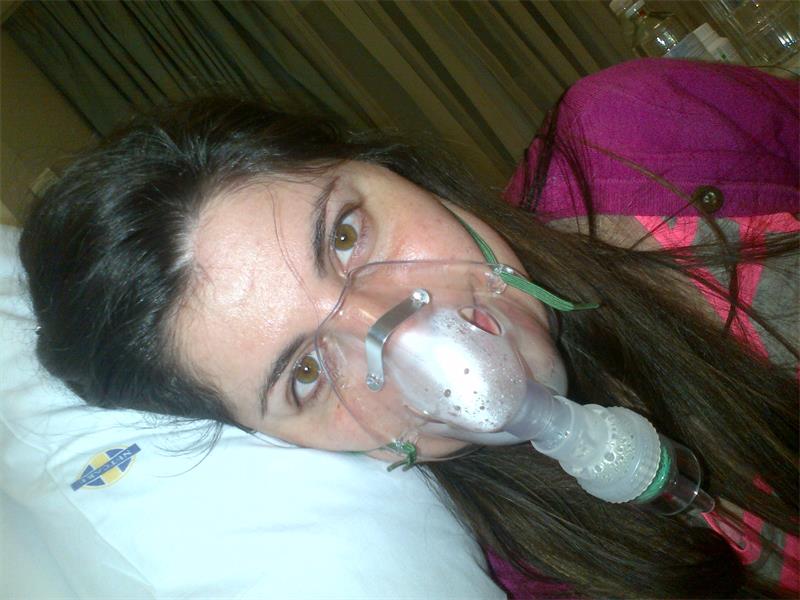
What is a lung transplant?
It’s a surgical procedure to replace a diseased or failing lung with a healthy lung, usually from a deceased donor. A lung transplant is reserved for people who have tried medications or other treatments, but their conditions haven’t sufficiently improved. Depending on your medical condition, a lung transplant may involve replacing one of your lungs or both of them.
Who can get a lung transplant?
A full evaluation is done beforehand and essentially you need to be ‘healthy’ enough to survive the surgery. With lung transplants you are only considered when the transplant team estimates you have less than two years to live. This is rather scary considering some patients wait four or more years for lungs.
How long do transplanted lungs last?
- Survival rate for one year is 79.5%
- Survival rate up to five years is 50.6%
- Survival rate up to 10 years is 30.4%
Why do lung transplants fail?
- Risk of rejection: Your immune system defends your body against foreign substances. Even with the best possible match between you and the donor, your immune system will try to attack and reject your new lungs. The drug regimen after transplant includes medications to suppress your immune system (immunosuppressant medications) in an effort to prevent rejection. These drugs need to be taken (on time) for the rest of your life and unfortunately, hold a host of side effects.
- Risk of infection: Anti-rejection drugs suppress your immune system, making your body more susceptible to infections, particularly in your lungs. These infections can be life-threatening and they can also bring on rejection.
How to become an organ donor
Just have the conversation with your loved ones as they will need to give consent for organ and tissue donation. In South Africa, the transplant coordinator will have to get consent from your loved ones regardless if a person is registered as an organ donor.
*Info derived from Tell (Transplant Education for Living Legacies).
Related Article: