Sunninghill adopts park from City Parks
Sunninghill community finally claims responsibility and adopts a park of its own.
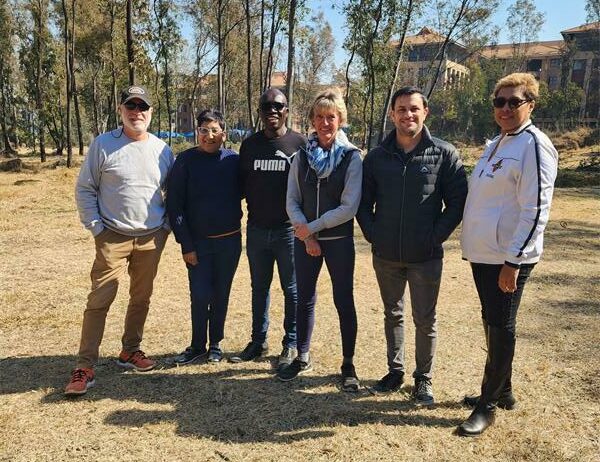
The Sunninghill community has finally claimed responsibility for, and adopted, a park of its own. Sunninghill Park is one of the most highly densified areas in Sunninghill and has constant growth in the number of occupants. The area consists of residential complexes, multiple nursery schools, a retirement village, a hospital, and office parks of which many are being turned into residential apartments.
According to the chair of the Sunninghill Ratepayers Association, Linda Gildenhuys, this area of Sunninghill has limited to no park facilities and it causes safety concerns for people who walk, jog, and push prams or ride bicycles due to common robberies, heavy traffic, and speeding.

The association and the community identified an undeveloped land on Inyanga Close which belonged to the City of Johannesburg and was designated as a park but was never advanced to a complete park. Over time, the land has been dominated by overgrown, water-sucking gum trees, which have taken over the original wetland area and landscape.
“This place has been taken over by alien species and is now home to a large volume of illegal occupants. For many years we have been trying to solve this problem, reached out to City Parks and Zoo, and in consultation with them and the illegal occupants, we have finally reached an agreement to turn a safety and health hazard in our suburb into what will become a jewel in our midst. We are very excited about the ‘Adopt-a-park’ agreement we have reached with City Parks and Zoo,” said Gildenhuys.

City Parks together with the community have committed and are currently in the initial phase of clearing and preparing the land to be developed. According to Gildenhuys, the community will finally have a place where they can go to relax, jog or walk in safety.
The Johannesburg City Parks and Zoo’s Region A manager, Dr Joseph Ndou, commended the community for being proactive and identifying spaces that will help the community become safer. “The community should manage public open spaces because doing so encourages social cohesiveness, builds community spirit, lowers crime, and provides safe areas for children to play. Additionally, public open spaces promote healthy living, greater mental health, and community building for city dwellers while helping to lessen flooding and soil erosion.”
Related Article: