Johannesburg Water confirms pollution damage to the Jukskei River
A 2023 assessment found that pollution had pushed the Klein Jukskei River's ecological condition to critical modified, according to Johannesburg Water spokesperson Nombuso Shabalala.
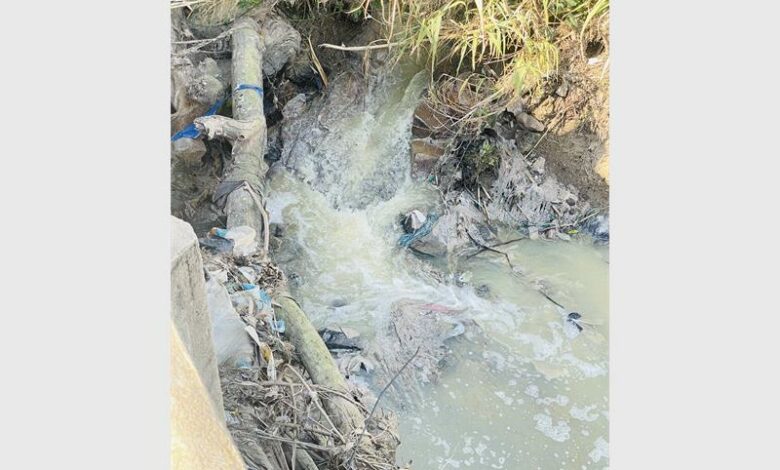
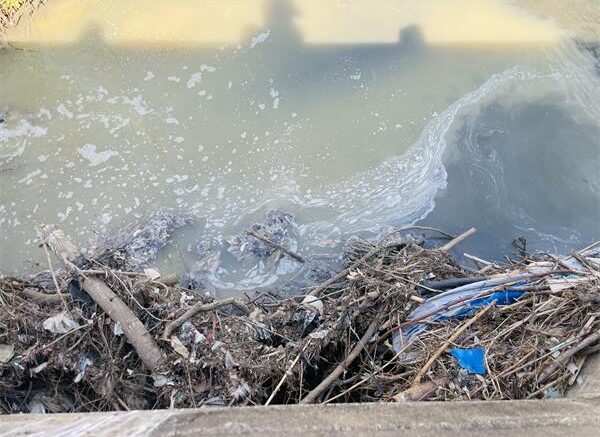
Pollution from recurring sewage spills has contributed to the deterioration of the Klein Jukskei River’s ecological condition, with Johannesburg Water (JW) confirming that a specialist assessment, conducted in 2023, classified the river as being in a ‘critical modified’ state.
Nombuso Shabalala, Johannesburg Water spokesperson, said the aquatic assessment was undertaken by a specialist in compliance with a section 19 directive. “The report has found that the Klein Jukskei River’s ecological state has deteriorated to critical modified due to pollution. Bioremediation was recommended,” Shabalala said.
Read more: Sewage spills continue to foul Jukskei River
The findings follow complaints from Jukskei Park residents about recurring sewage overflows, persistent odours and concerns about the environmental and potential health impacts of sewage entering the river. JW acknowledged that recurring sewage spills have affected the water quality, polluted the environment and harmed the river ecosystem.
Shabalala said the incidents also present public health risks and have required intervention by regulatory authorities. She confirmed that JW is finalising the process to appoint a specialist to implement bioremediation at the affected site. “The procurement process is still at BEC phase. Bioremediation process will commence immediately after the appointment of a specialist,” she said.
Bioremediation uses biological processes to help break down or reduce pollutants in the environment. The intervention is intended to support the recovery of areas affected by sewage pollution. The appointed specialist is expected to work on the programme for 36 months.
The utility previously confirmed that the Jukskei sewer pump station is operational, but acknowledged that a manhole outside the facility frequently blocks, causing sewage to overflow before reaching the pump station. Shabalala said these blockages are primarily caused by foreign objects and unsuitable materials entering the sewer network upstream of the pump station.
JW said its teams undertake reactive maintenance to clear blockages, while infrastructure interventions are intended to improve the reliability of the sewer system.
Also read: Residents get answers on sewage issues
Shabalala added that refurbishing non-operational pump stations and their associated rising mains is expected to reduce or eliminate recurring sewage spills, which are a primary source of the odour affecting surrounding communities. The utility said environmental rehabilitation, alongside infrastructure improvements, should help the affected environment recover and gradually reduce odour-related impacts.
Shabalala confirmed that an application for environmental authorisations for the Craighavon sewer pipe replacement project is underway, with JW awaiting a water use licence. JW also confirmed that it is working with the City of Johannesburg’s environment and infrastructure services department’s water quality section. However, the utility has not provided a specific completion date for these interventions or confirmed when recurring sewage spills affecting the Klein Jukskei River will stop.
While the 2023 assessment provides evidence of the river’s deteriorated ecological condition, residents continue to seek a lasting solution to prevent further sewage pollution.
Follow us on our Whatsapp channel, Facebook, X, Instagram and TikTok for the latest updates!