
Kyalami garden refuse site buckles under pressure
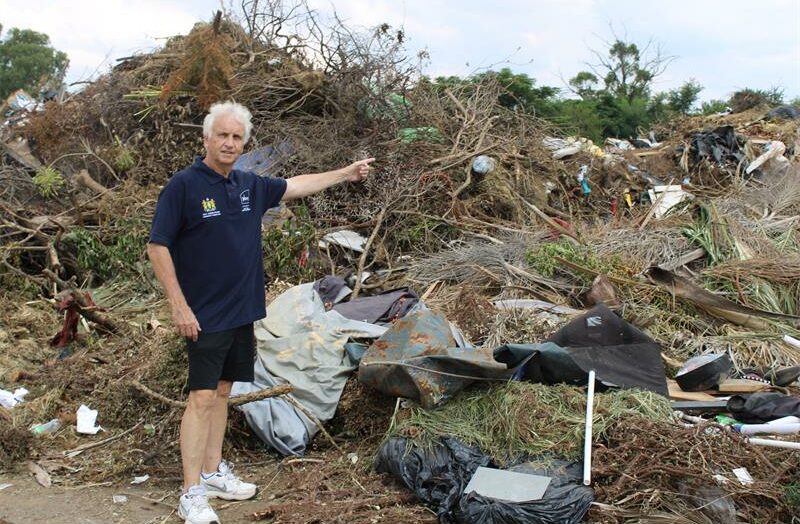
The Pikitup garden refuse site in Kyalami has turned into a garden of frustration as bins overflow and queues stretch for hours.
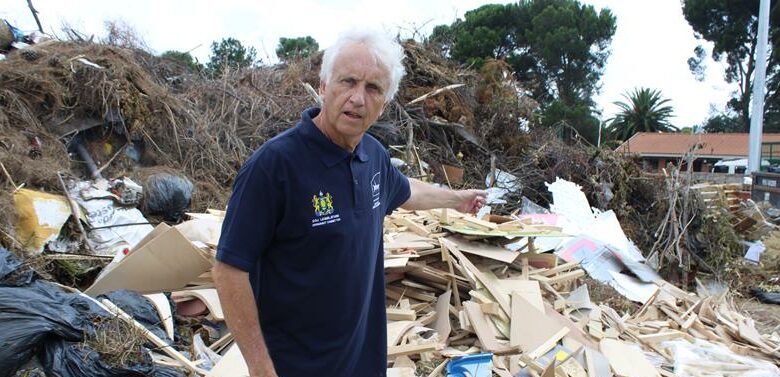
The Kyalami Garden Refuse Site, operated by Pikiup, is meant to provide residents with an orderly and efficient space to dispose of garden waste and recyclables.
Instead, it has become a bottleneck of overflowing bins, long queues, and growing frustration, with both residents and staff feeling the strain of a system under pressure.
Ward 94 councillor David Foley says complaints about the site have been escalating, particularly following the temporary closure of the Bryanston Garden Refuge site, which has pushed more users toward the Kyalami site.
Read more: UPDATE: Pikitup promises weekend work as residents demand refuse backlogs be cleared
“It’s in a sorry state. Agricultural holdings and residents are all coming here to drop off their refuse, and the situation is just getting worse day by day.”
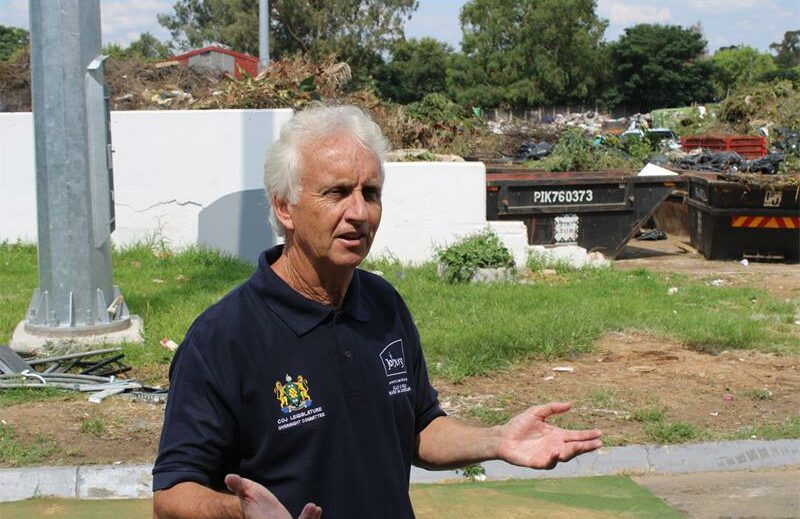
According to Foley, the core issue is not failing infrastructure, but a breakdown in management and refuse removal by Pikiup. The site was designed to operate on a clear flow system, vehicles enter, offload garden refuse into designated skips, and exit smoothly, allowing multiple users to be accommodated at once.
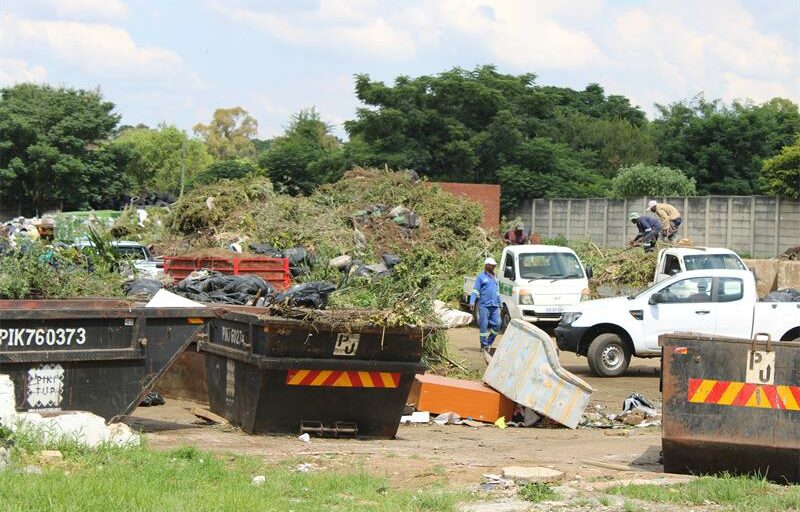
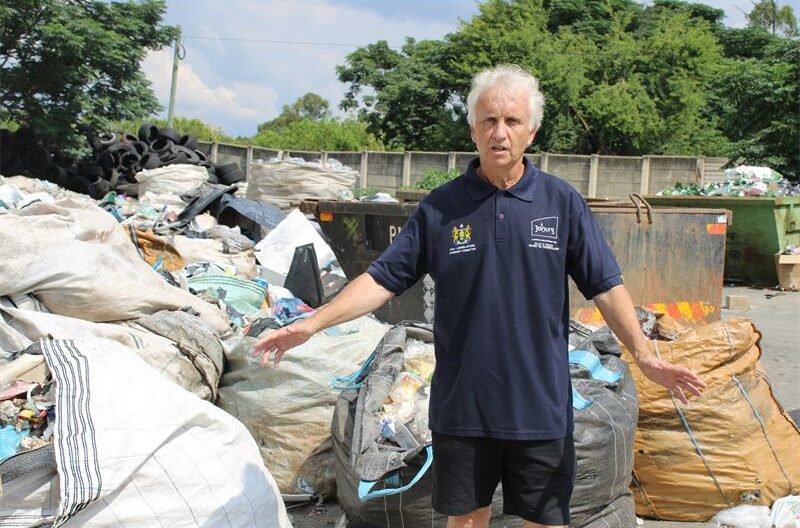
“That flow has completely collapsed. You’re supposed to drive in, turn left, reverse into a skip, offload, then drive around and exit. You can’t do that now. It’s so full you can barely move with litter everywhere.”
Where the site should be able to accommodate up to 16 vehicles at a time, it is currently handling only two or three. This has resulted in long queues, heightened frustration, and a dramatic drop in productivity.
Foley explained the problem using a simple analogy. “This is a production line. If the bins fill up and the trucks don’t arrive to empty them, everything backs up. The line keeps moving, but no one is clearing the end.”
He said that, under normal circumstances, Pikiup trucks would visit the site at least twice a day, compacting and removing full bins before returning later for additional collections. That cycle kept the site functional. “When that cycle breaks, you get congestion and overload. That’s exactly what we’re seeing now.”
The situation has also affected staff morale. Foley noted that workers on site appeared demotivated and overwhelmed, trying to manage large volumes of waste without adequate support. “The staff are doing their best, but without trucks and proper support, they’re being set up to fail.”
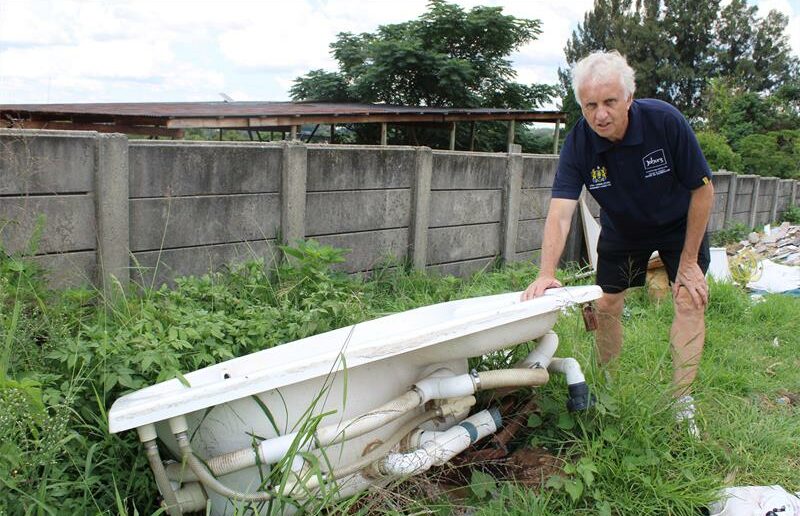
Beyond refuse removal, Foley raised concerns about rule enforcement and site management.
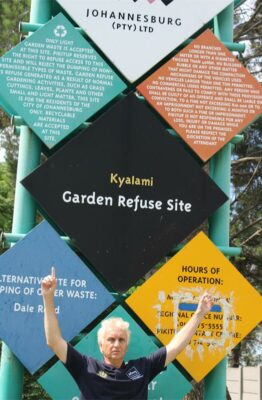
During his visit, he observed items on site that are not permitted, including bulky household goods and materials outside the clearly displayed guidelines. “This is a garden refuse site, not a general dumping area. The rules are clearly posted, yet people are still dumping whatever they want.”
He questioned whether staff have sufficient training and clear protocols to deal with non-compliant users, and whether they have quick access to enforcement assistance when needed. “If someone refuses to comply, there must be immediate backup. Staff should know exactly who to call and how quickly help will arrive.”
Despite the current challenges, Foley said the infrastructure itself remains functional. “The site isn’t broken. It’s the management and upkeep that have slipped.”
Foley said he has engaged Pikitup Region A management and plans to request an on-site oversight meeting with regional manager David Mahlangu. He says the meeting will take place within the next two weeks, allowing time for urgent clean-up interventions to begin.
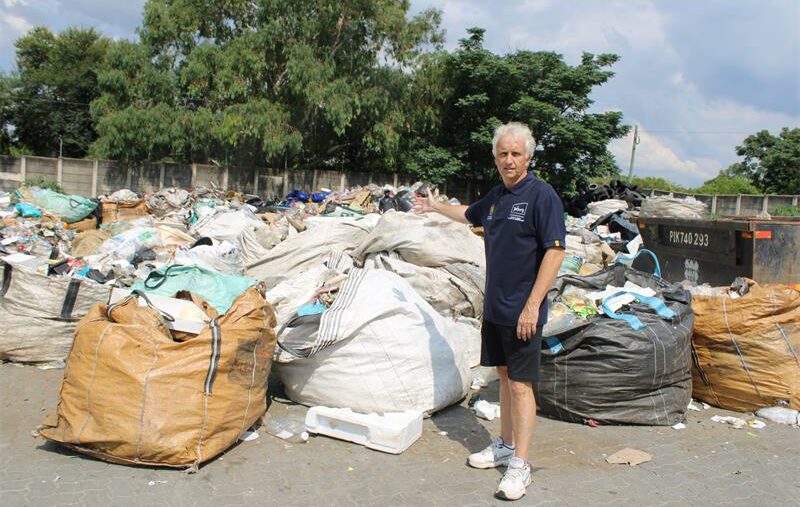
“All the accumulated waste must be removed. Recycling needs to be collected, the site must be cleared, and order restored. Residents pay rates and expect basic services to work. A garden refuse site should be clean, efficient, and properly managed. Right now, it isn’t.”
He remains confident that, with sufficient trucks, consistent removal schedules, and stronger on-site oversight, the Kyalami Garden Refuse Site can return to normal operation. “If the resources are put back where they should be, this problem can be fixed, but we cannot continue like this.”
Also read: Councillor engages mall owners over illegal dumping in Craigavon
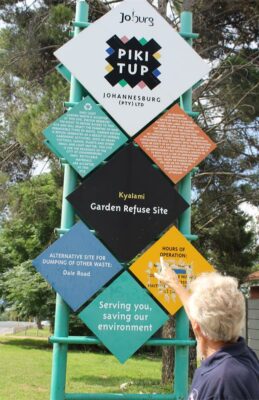
Purpose of a Pikitup Garden Waste depot:
Pikitup’s garden waste depots are designated drop-off points for residents to dispose of household garden refuse and recyclables responsibly. These sites help divert organic material from landfills, support composting and recycling, and reduce illegal dumping in the city.
What garden waste means:
Garden waste is organic and biodegradable material generated from gardens or parks, such as: grass, leaves, plants, trimmings, branches, tree trunks, and stumps. This waste is accepted at the depot so it can be composted or processed further, free of contaminants like plastic, metal, glass, or bricks.
What you can drop off at garden waste sites:
Light garden refuse, such as grass, leaves, and branches, dry recyclables paper, such as cardboard, plastics, glass, and cans, and e-waste at some locations. These materials are transferred for composting or recycling.
What you should not drop off:
Bulky household goods, such as furniture or couches, large appliances, such as fridges or stoves, and builder’s rubble or non-garden waste, unless otherwise permitted. These items may require specific bulk waste services or must be taken to appropriate landfill/drop-off facilities.
How it’s supposed to work:
Garden waste sites are open seven days a week, typically between 08:00 and 17:00. Residents bring their garden refuse and recyclables and offload into designated containers. The site is meant to operate with a smooth flow, vehicles enter, offload into skips or receptacles, then exit without bottlenecks. At Kyalami, queues and overflow have disrupted this system.
Additional waste services to know:
• Separation at source: Residents are encouraged and in some areas required, to separate garden waste and recyclables before disposal to support recycling and composting efforts.
• Free bulk waste collection: Pikitup also offers monthly pickups for large household items, if booked through a depot manager, to reduce illegal dumping.
Questions sent to Pikitup with no response despite following up:
• How many trucks are currently operating at the depot, please confirm and let us know why?
• How often are trucks scheduled to collect full bins at Kyalami, and has this schedule changed recently?
• The site was designed to allow multiple vehicles to offload simultaneously, but currently only a few can do so at a time. What measures are being implemented to restore full operational flow?
• What systems are in place to support staff dealing with non-compliant residents or unsafe dumping practices, and how quickly can enforcement personnel respond?
• How does Pikiup monitor compliance with site rules, and what actions are taken when residents dump unauthorised items, such as furniture or construction debris?
• Are there plans to address the current backlog of waste and recyclables, and to restore order and cleanliness at the site in the short term?
Follow us on our Whatsapp channel, Facebook, X, Instagram and TikTok for the latest updates and inspiration!