Living with endometriosis means a life of pain and persistence
Two women share their struggles and resilience with endometriosis, highlighting the need for awareness, early diagnosis, and support for women living with the condition.
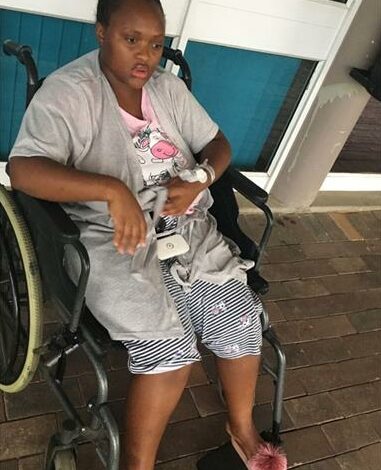
Chantal Singh and Rethabile Ramohloki may be strangers to each other, but they have one thing in common. They were both diagnosed with a chronic condition called endometriosis.
Endometriosis is a chronic condition in which tissue, similar to the lining of the uterus, grows outside the uterus, causing inflammation, severe pain, and, in some cases, infertility.
Ramohloki (30) was diagnosed with endometriosis and adenomyiosis in 2019 at the age of 24. “I had irregular periods where I would menstruate twice a month heavily, and I would pass huge clots, which made the pain unbearable.
Read more: Dialysis patient inspires awareness and action this World Kidney Day
‘There was a time I was hospitalised due to my womb being swollen, a specialist then recommended we do the magnetic resonance imaging (MRI) scan. After careful tests, my womb was swollen, and I had huge cysts which affected my back.”
She said it wasn’t an easy diagnosis, a lot of tests were done. “I felt a sense of relief after the diagnosis, because I had been hospitalised for a while with no proper knowledge of what was wrong with me. At least I would know what steps are needed to treat this illness.”
Signh (44) was officially diagnosed with the condition in 2016 after nearly eight years of severe pain, repeated hospital visits, and multiple misdiagnoses. Despite affecting millions of women worldwide, Singh says awareness remains dangerously low. “For years I knew something was wrong with my body, but no one could tell me what it was.

“I went to several doctors and gynaecologists. Some said it was just a cyst, and others suggested draining it. At one point, I even went to a urologist because I thought it might be my bladder.”
The pain, however, continued to worsen. “There were times I couldn’t get out of bed. Even driving to the hospital was painful. Every bump in the road felt unbearable.”
Singh underwent two laparoscopic surgeries in which the endometrial tissue was cauterised, a procedure known as ablation. At the time, she was also undergoing fertility treatments and hoped the procedures would improve her chances of becoming pregnant. The relief, however, was short-lived. “Each time, after surgery, the pain came back worse.”
In 2018, Singh sought help from a specialist in Pretoria and underwent a major excision surgery to remove extensive endometriosis that had spread throughout her abdomen. During the eight-hour procedure, surgeons discovered that several of her organs had fused due to the disease. Doctors were forced to remove part of her colon and perform a bowel resection. “It was extremely severe.” Complications soon followed.
Also read: Philanthropist turns her life’s trials into hope at successful Breast Cancer Awareness Campaign
A week after the operation, Singh developed septicaemia caused by a leak where part of her colon had been reconnected. She was rushed back into the theatre for emergency surgery and fitted with a temporary stoma bag to allow her intestines to heal. “I woke up with a stomach bag attached to me. That was one of the most traumatic moments of my life.”
For several weeks, she required assistance from family members to carry out basic daily activities. “My husband, my sisters, and my family were my biggest support. They helped care for me when I couldn’t even look after myself.”
The stoma was eventually removed about two months later after her body healed sufficiently, but Singh says the physical and emotional scars remain. Today, she continues to manage her condition with medication, which she says can cost about R500 per month, and is often not covered by medical aid as a chronic illness. “Even on the highest medical aid plan, the medication is not considered chronic treatment. Many women cannot afford it.”
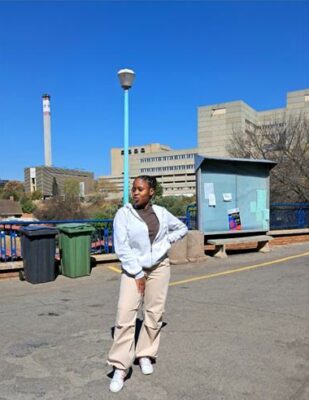
Singh believes the lack of awareness surrounding endometriosis is one of the biggest challenges patients face. “Girls are often told that period pain is normal and that they must just deal with it, but pain that stops you from functioning is not normal.”
She also believes more education is needed among healthcare professionals to recognise symptoms earlier and refer patients to specialists. “If it took me eight years to get diagnosed while seeing private doctors, I worry about what happens to women in public hospitals.”
Endometriosis can affect multiple organs in the body, and, in Singh’s case, also contributed to infertility. Despite undergoing several fertility treatments, she was unable to have children, yet she refuses to let the disease define her life.
After the Covid-19 lockdown, Singh purchased her first beauty salon in Broadacres Shopping Centre. She now owns two salons in the Fourways area and continues to run her business, despite ongoing health challenges. “I needed something to give me hope.”
During endometriosis awareness month, Singh hopes that sharing her experience will encourage women to advocate for their health and seek answers if they believe something is wrong. “Women with endometriosis need to know they are not alone. Even when it feels like no one is listening, keep fighting for your health.”
Also read: Fourways Gardens goes beyond pink this year for breast cancer awareness campaign
Ramohloki was able to get better through traditional herbs and supplements. “I believe I needed them to control this daily, and I hope more women feel encouraged to listen to their bodies, seek support, and take their reproductive health seriously.”
The two women’s journeys serve as a reminder during endometriosis awareness month that awareness, support, and open conversations are key to helping women better understand and manage the condition.

World endometriosis month
March is endometriosis awareness month, with key awareness days including March 14, March 28 (Worldwide Endo March), and March 30, aiming to raise awareness for the chronic, often painful disease that affects 1 in 10 women (10% of women of reproductive age). It seeks to reduce diagnosis times, end the stigma, and demand better research.
Did you know:
• On average, it takes 7–10 years for a person with endometriosis to receive a correct diagnosis, often after being dismissed or told that severe pain is normal.
• 68% of women with endometriosis were initially misdiagnosed with another condition.
• The only definitive way to diagnose the disease is through surgical laparoscopy.

Key fertility facts:
• Up to 50% of women with infertility have endometriosis.
• Having endometriosis does not mean you cannot get pregnant. An estimated 60–70% of those with endometriosis can get pregnant spontaneously.
• Because it is a progressive disease, endometriosis can cause fertility to worsen over time if left untreated.
• Excisional surgery to remove endometriosis lesions (rather than burning them) can remove scar tissue and improve natural conception rates by 30–50%.
Follow us on our Whatsapp channel, Facebook, X, Instagram and TikTok for the latest updates and inspiration!