Is the promise of 1994 fading?
From those who voted in the 1994 South African general election to today’s youth, locals share mixed views on progress and the future.
Freedom Day is more than a date on the calendar.
It is a living reminder of a moment that changed the course of South Africa forever. On April 27, 1994, millions of South Africans stood in long, hopeful queues to cast their votes for the first time, regardless of race.
It was a powerful act of unity, marking the end of apartheid and the birth of a democratic nation built on equality and human dignity.
Read more: Freedom Day brings full courts and competition at Match Padel Cedar
That historic vote did more than usher in a new government; it laid the foundation for a constitution that promised freedom, rights, and opportunity for all. For many, it symbolised possibility, a clean slate, and the beginning of a future once denied to the majority, but more than three decades later, the meaning of Freedom Day is no longer experienced in the same way by everyone.
While it remains a celebration of hard-won freedom, it has also become a moment of reflection and, for some, frustration.

Ward 94 councillor David Foley painted a stark picture of present-day realities. He said the country is facing infrastructure failure from all perspectives, and a lot more homeless people, as there is no economic growth.
“There have been no improvements from 1994, only degradation from mismanagement and incompetence. All state-owned enterprises have been looted, ensuring only a few connected individuals benefit.”
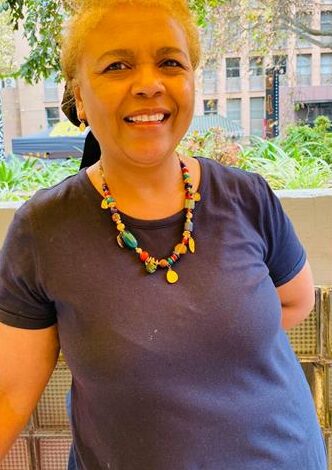
Nashira Cevikmen, who was one of the voters at the historic election in 1994, remembered the first democratic day and said it was unforgettable. “It was the happiest day in South Africa. You’d swear its new year.
Everyone was thrilled for this moment cause people had been waiting for so long. Remembering the heroes who died just to make this day a reality. Things have really changed, and it breaks my heart.”
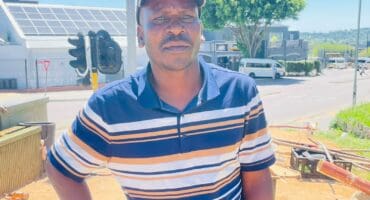
Some born into a democracy feel like nothing has improved. Rather, they feel it’s getting worse each year, as it is no longer about building each other but enriching their own pockets. “We face challenges like corruption and a high unemployment rate, and if our government is concerned about the country, they should make a plan.
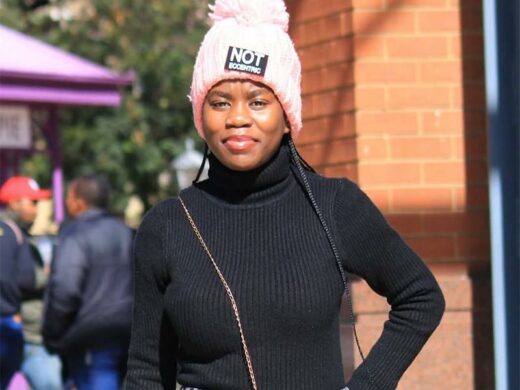
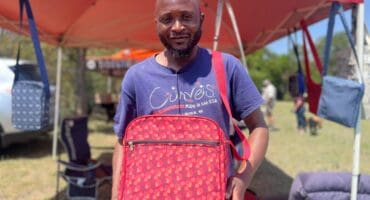
I remember in 1999, in the second elections, I was 10 years old, accompanying my uncle to vote. He was so happy and it seemed so promising back then. Honestly, I don’t know what went wrong,” said Thabo Mthombeni, a resident from Riverside View.
On the other hand, Douglasdale resident Nicola Diergaardt, believes that Freedom Day should be celebrated, as it means dignity, equal opportunities, and the right to live without fear or limitation because of who you are.
“My life since then has changed in ways that are hard to fully put into words. I’ve had opportunities that previous generations in my family could only dream of. Today, I work in a diverse environment where people from different backgrounds come together, something that reflects the progress our country has made.”
Also read: Blankets cover Steyn City as community comes together for a good cause
Diergaardt said the country has delivered on many promises of freedom. There are still challenges that are faced, but the opportunities she had, and the life she can live, are proof of how far we’ve come.
Meanwhile, young residents from Riverside believe more still needs to be done to create opportunities for youth. Kamogelo Mashile said she does not think that her future is promising, given the current state of things, be it corruption, crime, or poverty. “I really don’t think this is the democracy our parents fought for.
Nepotism and corruption are obvious obstacles to everyone’s future. If I could change one thing about this country, I would change the law that enables pensioners to rule the state in Parliament cause the youth are suffering in local areas.”
Sbongakonke Conco also shared his views, as a born free, saying that unemployment stays in the hierarchy of young people’s challenges today, as a result of an education system not evolving as time goes by.
“A country wouldn’t change after changing a president or a political party in the government, but a system would need to be changed.
That would take another 30 or 40 years to come more than democracy, so I would instill the culture of knowledge and accountability in the country, that’s one thing I would change.”
Follow us on our Whatsapp channel, Facebook, X, Instagram and TikTok for the latest updates and inspiration!