Lonehill Dam project shows way to clean rivers, says Jack Bloom
A visit to the recovering Fourways water body has prompted renewed calls for communities to work together to tackle water pollution.
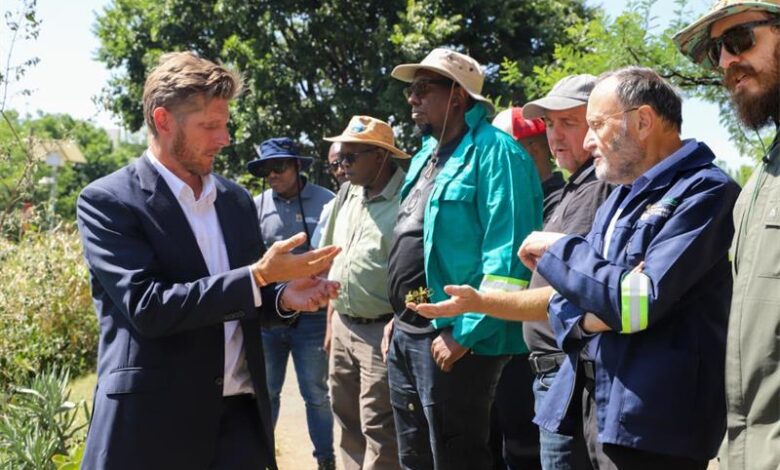
A visit to Lonehill Dam highlighted how local partnerships and emerging technologies could help tackle pollution in water bodies across Gauteng, but the message from Deputy Minister of Water and Sanitation Dr Jack Bloom was that cleaning up rivers must go hand in hand with stopping pollution at its source.
According to Bloom, the rehabilitation work at Lonehill Dam could provide a model for other polluted water bodies, with smart monitoring systems, nanobubble technology and community involvement among the interventions attracting attention.
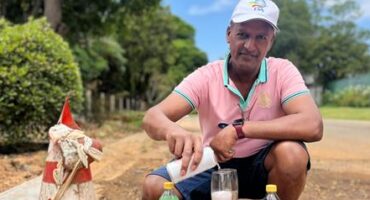
Bloom visited the dam to see how the technologies were being used to improve water quality and explore how similar approaches could be replicated elsewhere. “It’s been heavily polluted, but it’s clearly recovering. They’re using nanobubble technology, and I’d like to see it rolled out elsewhere,” he said.
Read more: Estate rolls up sleeves to clean up spaces
The deputy minister said one of the most promising aspects of the project was the use of sensors capable of monitoring water quality around the clock. He explained that continuous data collection could help identify pollution problems early, allowing authorities and communities to intervene before conditions deteriorate further.
“I think this thing of measuring the problem, so that you can intervene, and you know where to intervene, is very important,” he said. He added that he was interested in seeing the project developed into a success story that could be replicated at other pollution hotspots.
Bloom said the improvements at the dam demonstrated what could be achieved when residents, local organisations, businesses and government worked together. He credited the Lonehill Residents Association, Ward 94 councillor David Foley and other local stakeholders for their involvement.
“I think what we’ve seen today is a very good private-public partnership. The local interest groups, the Lonehill Residents Association and local councillor David Foley – everybody works together, and look what they’ve achieved,” he said.
He recalled being told that the dam had previously been so polluted that the water was barely visible and the sewage smell made it unpleasant for visitors. However, during his visit, he noticed ducks and other signs of life returning to the water body.
Bloom said the department’s broader challenge was to address pollution across entire river systems, including those feeding into Hartbeespoort Dam, which he described as severely polluted. He referred to rivers such as the Jukskei and Hennops, saying a recent helicopter trip across the region had given him a clear picture of the extent of pollution.
He said rehabilitation should happen in manageable sections, with successful interventions tested and replicated at other hotspots. “You only eat an elephant one bite at a time. We can fix up here, fix up other hotspots. We will eventually clean all our rivers, but it has to be stretch by stretch, section by section,” he said.
Also read: Paulshof residents clean up the Braamfontein Spruit
However, he cautioned that rehabilitation efforts would have limited long-term success if pollution continued entering rivers through sewage spills, industrial waste and illegal dumping. “We’ve actually got to stop it at the source. So, we need to be tough on polluters,” he said.
Bloom said water testing at Lonehill Dam had revealed concerning levels of E. coli and chemicals in polluted water systems, reinforcing the need for stronger enforcement against those responsible.
He also highlighted the importance of public education, encouraging residents and businesses to take simple steps to prevent waste, food particles, oil and grease from entering drainage and wastewater systems.
Follow us on our Whatsapp channel, Facebook, X, Instagram and TikTok for the latest updates!