High Court ruling affirms citizens’ right to question police without fear of arrest
Can you film the police? Yes, says the high court, marking a major win for public accountability after a local man’s wrongful arrest.
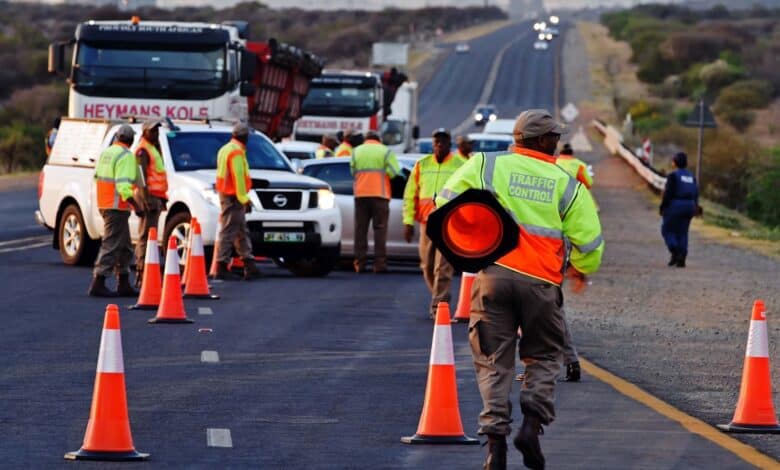
The Johannesburg High Court has ruled that South African citizens have the right to question and record police officers without being arrested or intimidated.
This judgment followed a case brought by attorney Shaun Jacobs, who was unlawfully arrested during a police roadblock outside his home.
Read more: Police boss plans to take back Johannesburg
Jacobs approached officers at the scene to ask that the roadblock be moved due to the disturbance it was causing in the residential area. After his request was disregarded, he began recording the scene with his cell phone, a move that led to his arrest.
Despite remaining calm and respectful throughout, Jacobs was detained overnight in harsh conditions. According to a document from the Southern African Legal Information Institute, Jacobs was handcuffed, taken away without any explanation, and later falsely accused of being aggressive and intoxicated, however, video evidence submitted to the court clearly showed Jacobs peacefully filming the police, and testimony from his wife confirmed his composed and sober demeanour.
The judge who presided over the case dismissed the claims made by the arresting officer, and ruled that Jacobs’ conduct in recording and questioning the police did not amount to any form of criminal offence or interference with police work. “Citizens are entitled to ask questions and are entitled to explanations from the law enforcement officers in respect of their conduct. That cannot be regarded as interference with the execution of their lawful duties.”
The court found the arrest, and subsequent 26-hour detention, unlawful. Jacobs was awarded R250 000 in damages, R100 000 from the minister of police for unlawful detention, and R150 000 from the metro police for the unlawful arrest.
Legal experts have hailed the ruling as a crucial precedent that upholds the values of freedom, dignity, and accountability enshrined in South Africa’s constitution.
This ruling comes at a time of heightened public concern around police misconduct. Fourways Review reached out to police spokesperson Brigadier Athlenda Mathe, who indicated she would consult their legal team, and to Captain Mavela Masondo on August 4.
Despite multiple follow-ups to both, no response was provided to the questions below, sent for further insight.
- The Johannesburg High Court recently ruled that citizens have the right to question and record police without fear of arrest. Is SAPS aware of this judgment, and what is the department’s reaction to the ruling?
- In light of this case, where an attorney was awarded R250 000 after being wrongfully arrested for filming a roadblock, how does SAPS plan to ensure officers understand and respect the public’s constitutional rights in similar situations?
- How does SAPS feel about the court’s message, that asking questions or demanding explanations is not considered interference with police work? Does the service view this ruling as a need to relook at internal training or conduct at roadblocks?
Follow us on our Whatsapp channel, Facebook, X, Instagram and TikTok for the latest updates and inspiration!