
NSPCA offers helpful tips of how to care for wild birds in need
Heed these handy tips to rescue a wild bird in need.
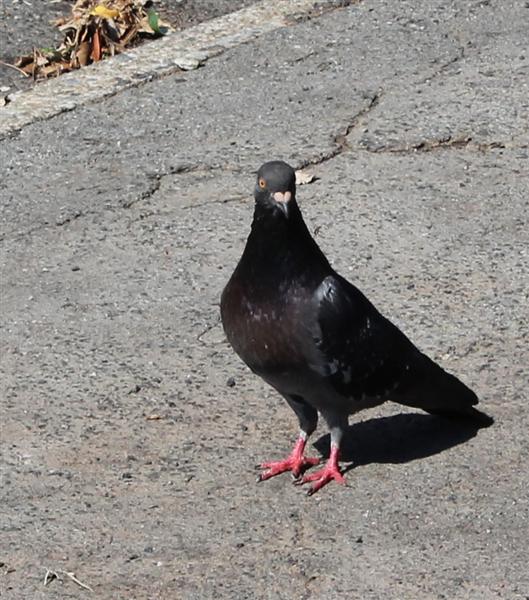
Many of us have found wild birds in distress and wondered how best we can help them.
With this in mind, the NSPCA has put together some helpful tips to help you care for these creatures.
Here is how to rescue a wild bird in need of your help:
1. Get ready
• Prepare the container
Place newspaper or straw at the bottom of a cardboard box or cat/dog carrier with a lid.
If the container doesn’t have air holes, make some, and ensure the container doesn’t leak, or the bird will become wet and chilled.
For smaller birds, you can use a paper sack with air holes.
• Protect yourself
Wear gloves, if possible.
Some birds may stab/peck you with their beaks, slice you with their talons or slap you with their wings to protect themselves.
Take into consideration that birds commonly have parasites like fleas, lice or ticks and can carry diseases.
• Cover the bird with a light sheet or towel.
ALSO READ: How does an SPCA adoption work?
2. Transporting the bird
Gently pick the bird up and put it into the prepared container.
Do not hold the bird across its chest as this can damage the crop and the internal organs of the bird, which will kill it.
The correct manner of holding a bird is as follows:
Place a hand over the top of the bird very gently with your index finger and middle finger parting in a “V”.
The neck of the bird should rest between the arches of the “V” as to stabilise its head and neck.
With your other hand, support the bottom of the bird and allow its feet to rest comfortably in your hand.
ALSO READ: Attend a dinner to assist animals in need
3. Caring for the bird
• Keep the bird in a warm, dark, quiet place – keep children and pets away.
• Do not give it food or water.
• Leave the bird alone, don’t bother or handle it – stress is the biggest killer of rescued birds.
• Don’t keep the bird at your home longer than necessary.
• Keep the bird in a container; don’t let it loose in your house or car.
• Wash your hands after contact with the bird and wash anything the bird was in contact with – towel, jacket, blanket, pet carrier to prevent the spread of diseases and/or parasites to you or your pets.
• Contact a wildlife rehabilitator, nature conservation department or wildlife veterinarian as soon as possible. Alternatively, contact the NSPCA’s Wildlife Protection Unit for assistance by calling 011 907 3590.
• Get the bird to a wildlife rehabilitator as soon as possible – it will be highly beneficial to the rehabilitators if you keep a record of any injuries you may have noticed when you found the bird.
Also, take note of exactly where you found the bird as this will be very important for release.
PLEASE NOTE: Egyptian geese lead their goslings to water a few days after hatching, often along busy streets. Do not “rescue” the goslings by separating them from their parents – rather escort the family through the traffic to the nearest pond.
Have a story?
Contact the newsroom by emailing: Melissa Hart (Editor) germistoncitynews@caxton.co.za, Leigh Hodgson (News Editor) leighh@caxton.co.za or Ashley Kiley (Journalist) ashleyk@caxton.co.za.
Also follow us on: