
OPINION: Why credible journalism matters more than ever in the fight against misinformation
As South Africa prepares for the 2026 local elections, journalists face growing pressure to combat fake news, misinformation and AI-generated content while protecting public trust in credible media.
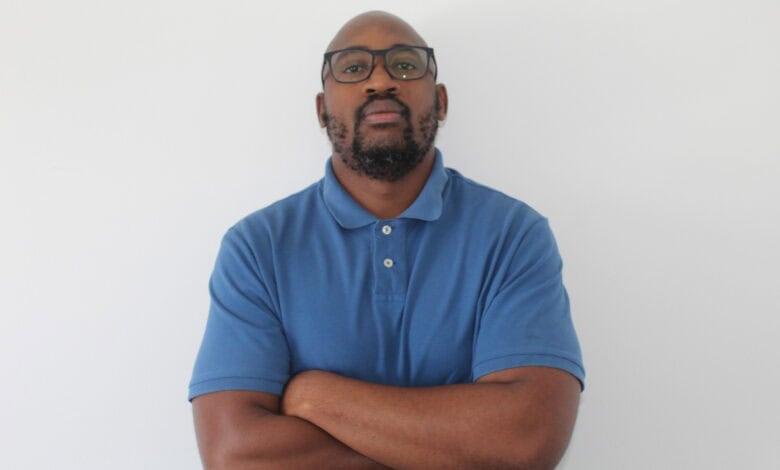
A recent interaction with colleagues in the media profession was a stark reminder of just how important our role in society is.
Looking at the challenges the industry faces, we are not only the watchdog of society, but we have also evolved into a force that must fight for the rightful place of credible news and information.
This conversation made me realise that our integrity and credibility must be protected more than ever, especially as we battle the growing threat of fake news, misinformation, disinformation and hoaxes, often peddled by those with ulterior motives to distort the truth and fabricate outright lies to mislead the public.
ALSO READ: OPINION: The Hot Topic – Youth Day fails to shift youth realities
All of this poses a significant threat to our primary mandate of informing, educating and documenting history.
What my colleagues and I shared also reminded me that our industry is under siege. There is growing pressure on credible journalism, and we have a responsibility to defend our profession against attempts to undermine it and erode public trust.
As someone who has dedicated years to studying journalism and honing my craft through experience in the newsroom, I believe I have a responsibility to defend the rightful place of journalism in society because a well-informed society cannot exist without a free, ethical and credible media.
ALSO READ: Opinions: Mrs Vee’s cup of words: When egos cost a city
The advent of social media is one of the greatest innovations of the 21st century, transforming the way we consume news and information.
However, it has also created an environment in which information spreads instantly, regardless of whether it is accurate or false.
The rise of self-proclaimed content creators and influencers has further changed the media landscape.
Many produce valuable content, but others present opinion, speculation or unverified claims as fact without following the ethical standards, accountability and verification processes that underpin professional journalism.
As a result, audiences are increasingly required to distinguish between credible reporting and content designed primarily to generate attention or engagement.
ALSO READ: OPINION | Fuel hikes hit hard as cost-of-living crisis intensifies
Artificial intelligence (AI) has added another dimension to this challenge.
While it has enormous potential to improve productivity and innovation, it is also being used to manipulate images, videos and written content in ways that make misinformation more convincing.
We saw this during the widely publicised protests against illegal immigration, when fabricated narratives circulated widely and fuelled confusion.
The impact extends well beyond social media. Government departments, businesses and public institutions regularly issue warnings about fraudulent job advertisements, fake housing opportunities, scams and impersonation because false information increasingly affects people’s daily lives.
This demonstrates that misinformation is no longer simply an online problem; it has real-world consequences.
As South Africa heads towards the local elections this November, access to credible information will become increasingly important.
Elections are periods when emotions run high, competing narratives emerge, and attempts to influence public opinion become more frequent. In such an environment, journalism must continue to provide verified facts, context and balanced reporting so that citizens can make informed democratic choices.
The challenge facing journalism today is not simply technological; it is about preserving public trust.
Technology will continue to evolve, new platforms will emerge, and the way people consume news will continue to change.
ALSO READ: The Hot Topic: Opinion – Addressing undocumented foreigners in South Africa
What must remain constant, however, is the profession’s commitment to truth, accuracy, fairness and accountability.
The future of journalism will not be determined by algorithms, popularity or who attracts the most clicks.
It will be determined by whether we continue to uphold the principles that have always defined the profession.
Credible journalism remains one of the strongest pillars of democracy, and protecting it is not only the responsibility of journalists but also of every citizen who values truth over misinformation.
Although influencers and content creators represent a new form of media and have become an important part of the digital landscape, their content should not automatically be accepted as gospel truth.
Audiences also have a responsibility to exercise critical thinking by verifying information and consulting credible, established news organisations before accepting or sharing it.
Traditional media remains an essential point of reference because it is guided by professional standards, editorial oversight and accountability.
By combining media literacy with reliable sources of information, citizens are better equipped to make informed decisions about their lives and the society in which they live.