Historical Heidelberg figures: McLaren was an influential Heidelberger
His compassion and influence spoke volumes.
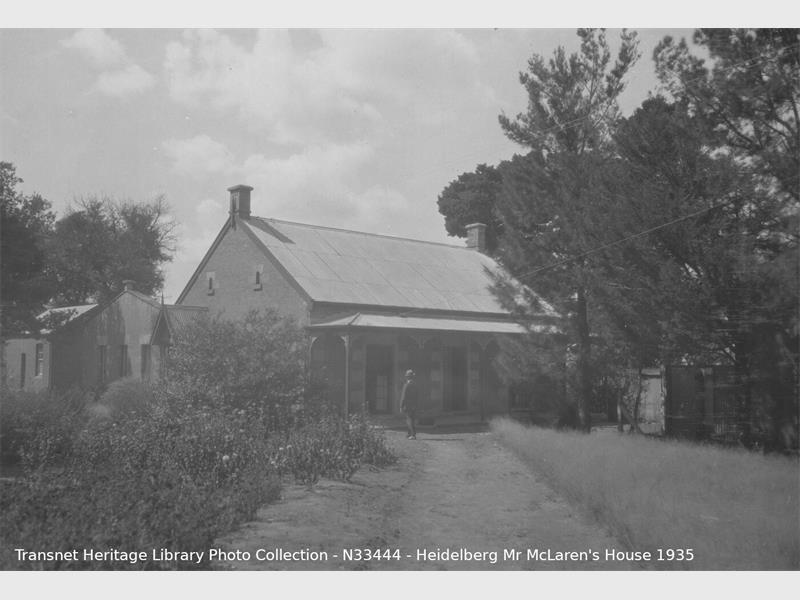
William Sinclair McLaren was born in Airdrie, Lanark, Scotland in 1843.
He settled in Heidelberg in 1871. McLaren and Elizabeth Marshall married on January 5, 1874.
Their two children born were James Marshall on May 23, 1875, and William on May 24, 1877, in Heidelberg.
McLaren worked in Heinrich Ueckerman’s store. During that time he became friends with a person who became very well known in Heidelberg in later years – James Gibson Pagan.
McLaren and Pagan became the competition to Ueckermann when they opened their own store in Heidelberg.
During the First Anglo-Boer War the McLarens sided with the British more than the Boers, but in general, were drawn to the prisoners and showed extreme kindness towards them.
One of the first prisoners brought to Heidelberg was a Mr Rudolph, the magistrate of Utrecht.
Rudolph was kept prisoner for 26 days when his health began to deteriorate.
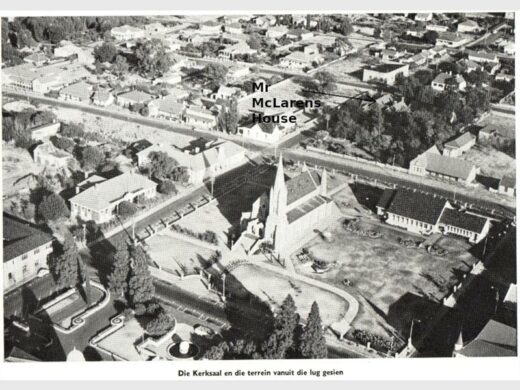
McLaren got involved to secure Rudolph’s release from closed confinement and got permission to look after Rudolph at his house.
When soldiers came to Heidelberg to incarcerate the local prisoners in jail, McLaren used his influence with the relevant authorities to not grant the request from the soldiers.
McLaren, therefore, was allowed to look after the prisoners.
McLaren and Pagan became surety for the prisoners with an amount exceeding several thousand Pounds.
The British authorities suggested placing sentries at the front and back gates of McLaren’s property to ensure that no prisoners escape. McLaren protested against the suggestion.
With the uproar from McLaren, the authorities withdrew the suggestion with an agreement that a parole form would be signed that the prisoners are not allowed to leave McLaren’s grounds and also not talk to the town’s citizens.
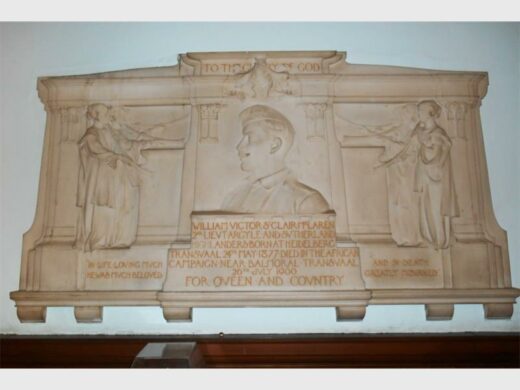
McLaren died a wealthy man on March 2, 1889.
His son William was one of the few Heidelbergers who fought alongside the British during the Second Anglo-Boer War.
William served on the Kimberley Relief Force as a Second Lieutenant. He died of heart failure on July 26, 1900, near Balmoral.
His body was returned to Heidelberg.
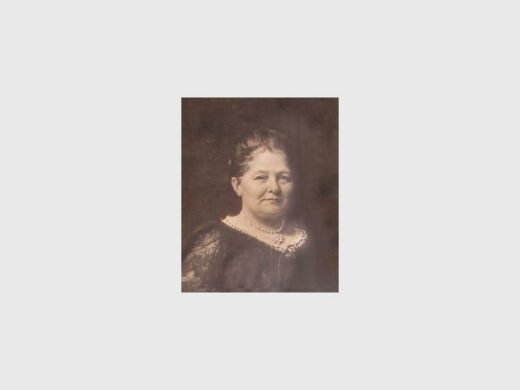
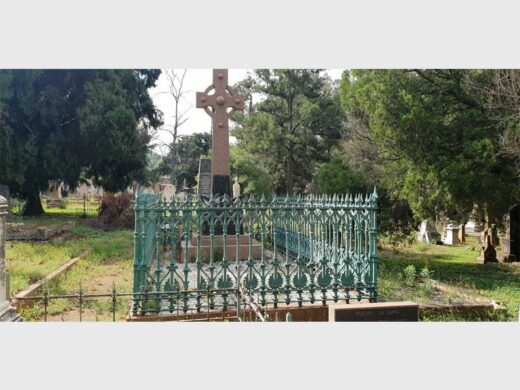
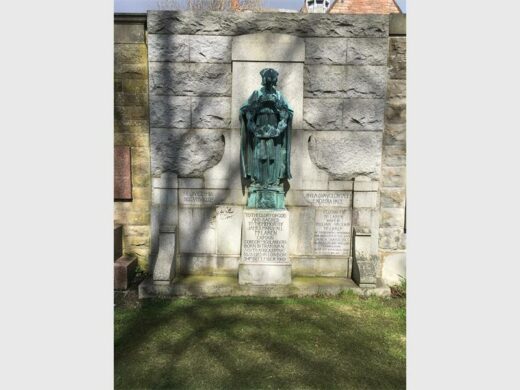
Both the McLarens were buried in the Heidelberg Kloof Cemetery.
References: Heidelberg Heritage Association Archives, Wikipedia, Genealogy