Working for Water programme launched
The programme will span a five-year period and aim to eradicate invasive alien plants.
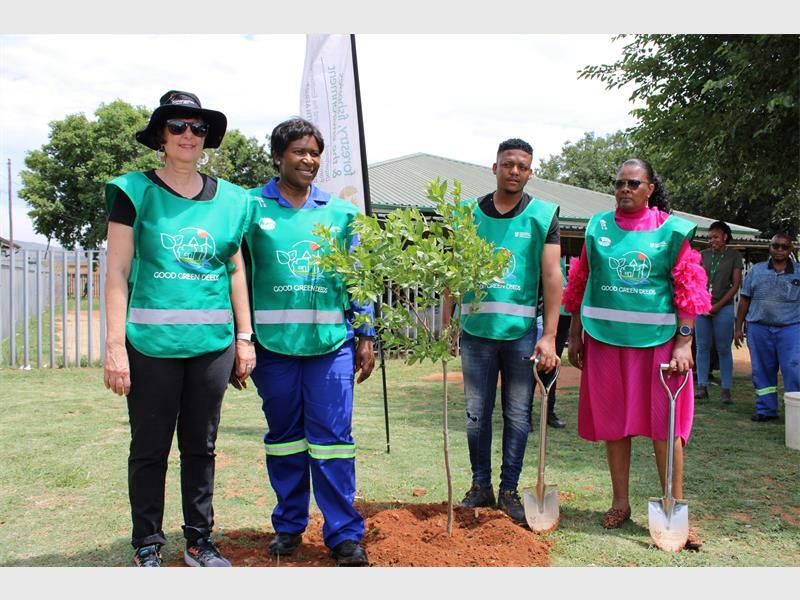
Minister Barbara Creecy from the Department of Forestry, Fisheries and the Environment (DFFE) launched the Working for Water Programme for the clearing of invasive alien plants in Ratanda on November 17.
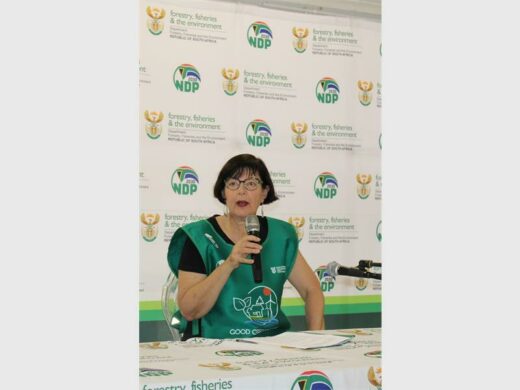
“The DFFE is launching a five-year programme worth R2.67b to implement the Working for Water Programme, which aims to eradicate invasive alien plants in our communities,” Creecy said in her address during the launch.
“Over the next five years, we aim to create 38 839 work opportunities every year, primarily in rural communities throughout the country.”
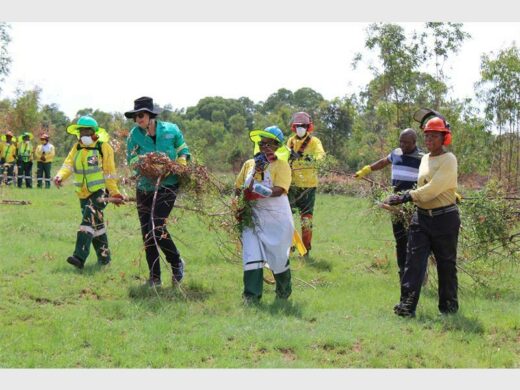
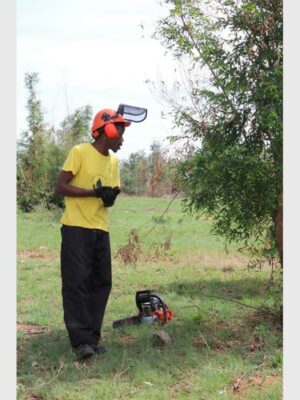
The launch began with a site visit to an area off the Vaaldam Road where contractors working with the Working for Water Programme and the DFFE had already begun clearing alien plants.
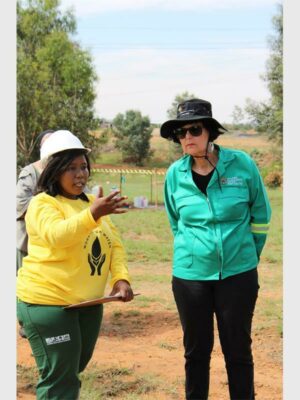
Creecy spoke to some of the contractors and was given a demonstration of how the invasive species are removed.
“Biological invasions by alien plants are a major threat to biodiversity and ecosystem services, water resources and sustainable livelihoods,” she said.
“Invasive species exacerbate floods, droughts and wildfire, and have negative impacts on the forestry and agricultural sectors.
“Biological invasions will exacerbate the effects of climate change and the extreme weather events associated with global warming.
“It is for this reason our department is happy today to announce this five-year programme to combat alien species and the damage they do to our land, wetlands and rivers.”
Friday marked the launch of the Gauteng Working for Water Programme to the value of R152m to implement projects across the five Gauteng municipalities, the City of Tshwane, the City of Joburg, West Rand, Sedibeng and the City of Ekurhuleni.
In Gauteng, the Working for Water Programme will clear 74 781ha over the five years starting from 2023 and 2024.
During these five years, the department will also aim to create around 13 615 in Gauteng through the Expanded Public Works Programme (EPWP) model.
Creecy thanked everyone who participated in the launch, Lerato Maloka (executive mayor for the Sedibeng District Municipality), Mluleki Nkosi (executive mayor for the Lesedi Local Municipality), officials from the national, provincial and local government.
Creecy also extended her thanks to the Working for Water participants who will be at the forefront of eradicating invasive alien plants in communities.
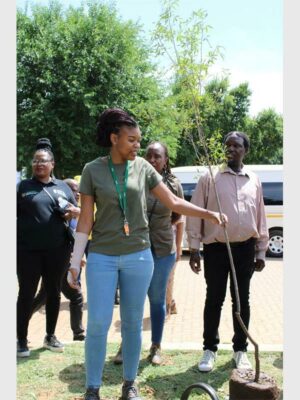
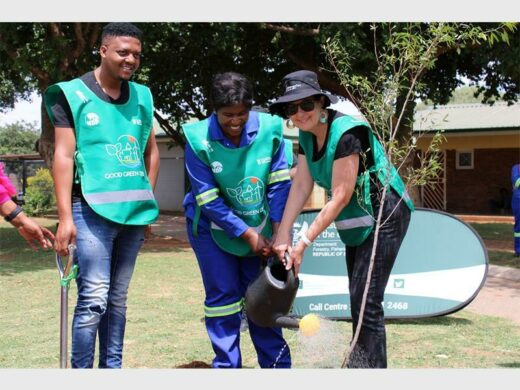
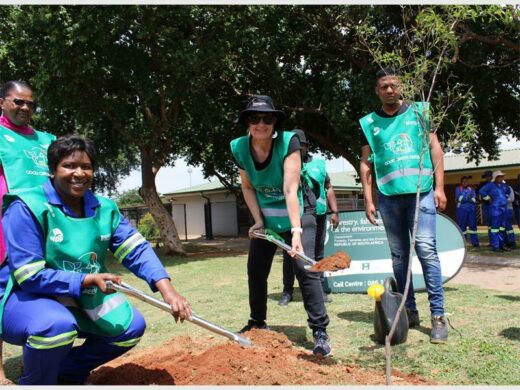
They also commemorated the launch by planting four indigenous trees in Ratanda.