Recovery centre transforms lives through hope and addiction recovery
The Freedom Recovery Centre is filled with success stories of rehabilitated substance abusers who stayed on at the centre after their recovery and were appointed as full-time employees.
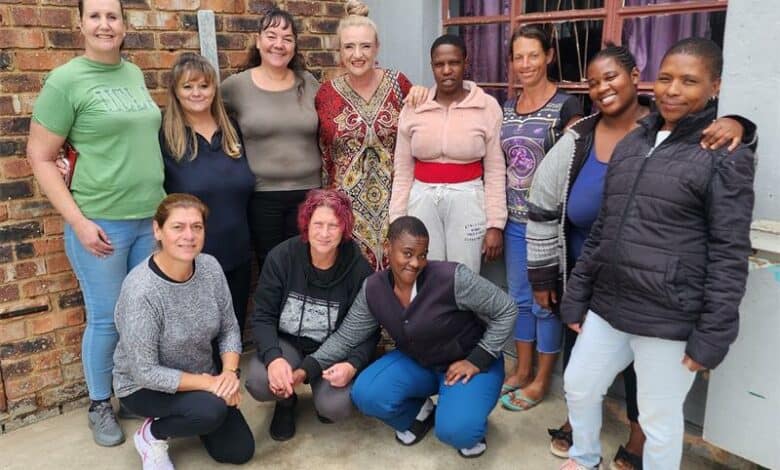
The Freedom Recovery Centre (FRC) in Nigel is a haven with a testimony of many success stories of freedom and recovery after drug abuse.
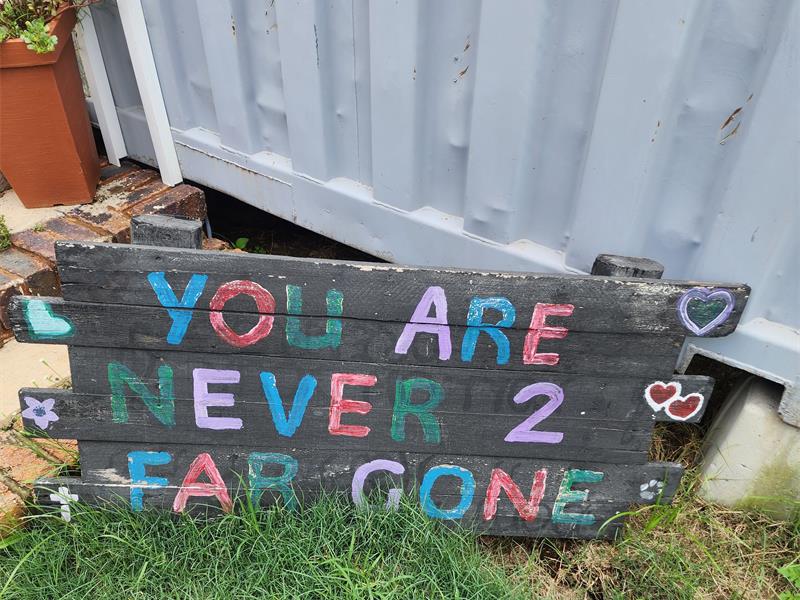
“Addiction is a monster, but you are stronger. You are never too far gone. There is something good in everyone.”
These are some quotes that the FRC lives by. This NPO, managed by Derrick Matthews, is where many drug addicts changed their lives and broke free from the substances they abused to recover fully and find their purpose.
The FRC focuses on the addict and believes there is something good in everyone.
“The addiction made them forget who they are, but no matter their mistakes, they are still worthy,” said centre manager Pieter Stolz, adding that the fear of rejection or failure sometimes leads to substance abuse.
He also quoted statistics from The South African Community Epidemiology Network on Drug Use that said 60% of the national drug addiction problem is in Gauteng.
Stolz said this figure had increased by 30% since 2021 and meant six out of 10 people addicted to drugs were in Gauteng.
“Although the workload increased and we are taking in more people, our subsidies remained the same,” Stolz said.
He said no matter the challenges, the centre would stand strong in its mission to find the worthy person hidden behind the substance abuse.
“The people here are genuine. They are being judged but are not judgmental, and everyone has a story,” he said.
Pastor George Lewis became involved with FRC in 2013 while doing youth ministry.
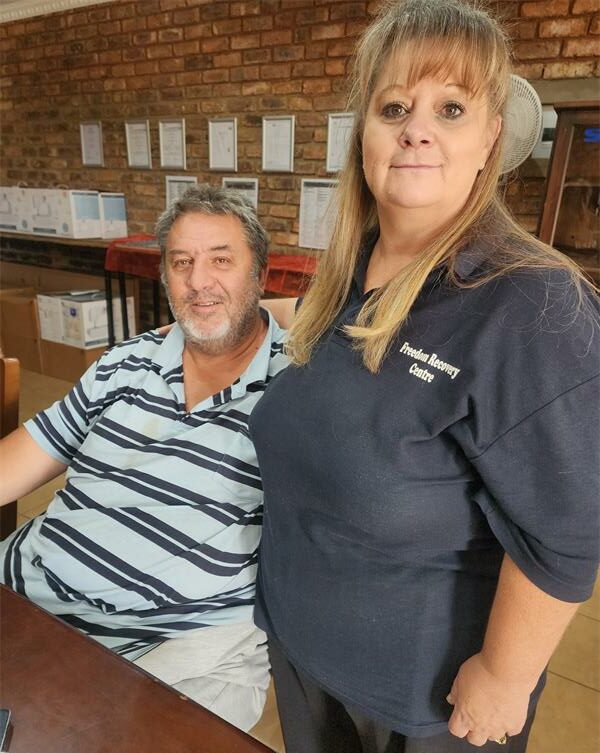
“I concluded in 2013 during my youth ministry that drug addiction is a bigger problem in society than what many people realise. I dealt with youngsters who felt the world rejected them and others who were left to care for their siblings because the parents passed away and turned to drugs out of desperation and a feeling of hopelessness,” Lewis said.
He said no one is born an addict. Pressure from society, trauma and the fear of not being good enough often lead to substance abuse.
“FRC taught me how to understand addiction. When dealing with addicts, I look beyond the substance they abuse and always find someone who is desperately crying out for help. I could not leave them behind, and accepted a full-time position at the centre in 2019 as the spiritual care worker,” Lewis said.
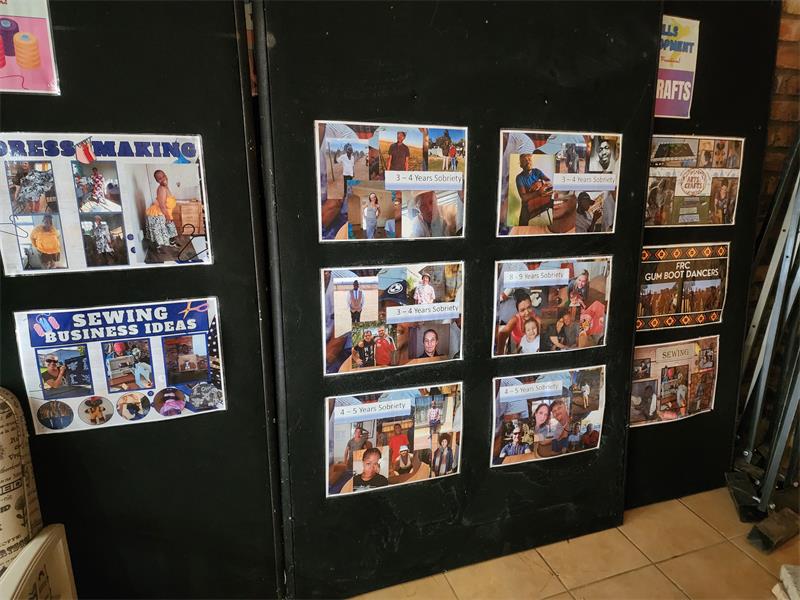
Lewis said recovery is a process. Part of it is believing in yourself and finding purpose. He also said many booked into FRC are highly intelligent, and others can work well with their hands and create something from nothing. The need for skills development was obvious.
“Besides my love for ministry, I am good with my hands, and to teach someone to make something out of steal, lay a brick, start a vegetable garden or do something creative is very fulfilling for me and the learner.”
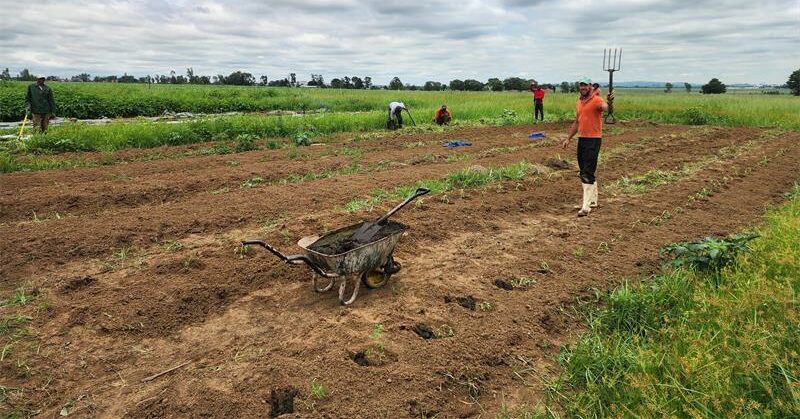
Lewis started managing the skills development programme in 2023. It includes funded computer literacy and sewing skills and non-funded plumbing, electrical, brick making, and boiler making, as well as how to run a piggery, egg production and starting a sustainable vegetable garden.
His wife, Isabel, runs the sewing, arts and crafts section and shared testimony of a human trafficking survivor who turned to substance abuse after her trauma.
“We teach the ladies how to make handbags, pencil cases and how to paint. A lady at the centre had gone through horrific trauma after surviving human trafficking. She started painting, and by the time she left the centre, she decided to turn it into a full-time business, which is still thriving today,” Isabel said.
The FRC believes everybody has something great within them and that they only rediscover that greatness during the recovery process.
For them, there is never a bad person because the person who recovers from addiction finds purpose, feels empowered and changes into someone amazing.
This is evidenced in the testimonies of some staff who came to the centre for help during their time of addiction and now work there full-time.
“Through therapy classes, group sessions, counselling, skills development and medical support, we help people to focus on life again and live a successful life after addiction,” Lewis said, sharing a few success stories of those now fully employed at the centre.
Kenneth Arnesen (24) started using cat in 2018 when his dad died.
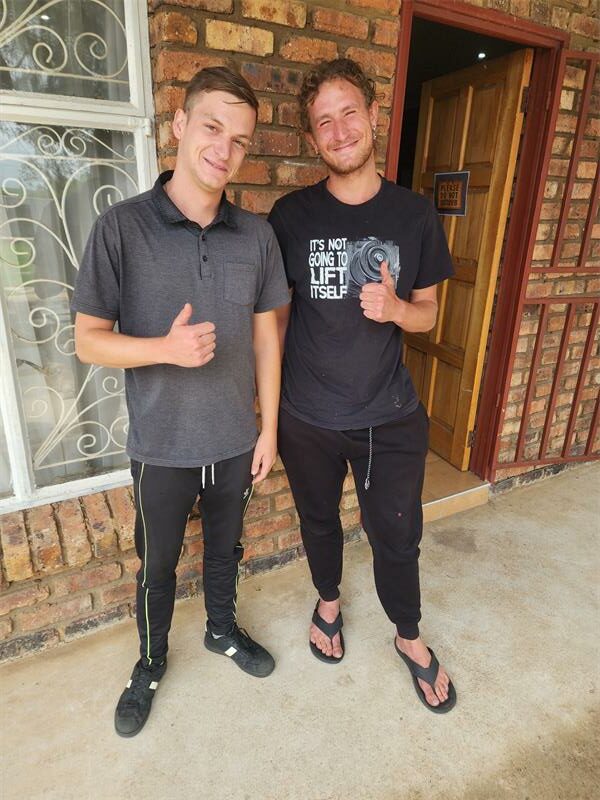
“I had a good job and study opportunities but felt lost,” Arnesen said.
He said he didn’t want to live, but after being admitted to the FRC, he realised there was always hope. Today, the centre employs him as a programmer, and he teaches computer skills. He looks forward to celebrating a year of recovery and being clean on February 21.
Daylien van Der Lith (23) described himself as a monster who initially wanted to run away after his stepfather’s girlfriend booked him into the centre.
“I was angry, resentful, manipulative and self-centred, but I am proud to say that I changed into a gentleman,” Van Der Lith said.
He added that Lewis’ brutal honesty and no-nonsense approach was what he admired the most and made him change his life around.
Another success story is that of the centre’s financial manager, Marco Arcidiacono, who was admitted to the FRC in 2014.
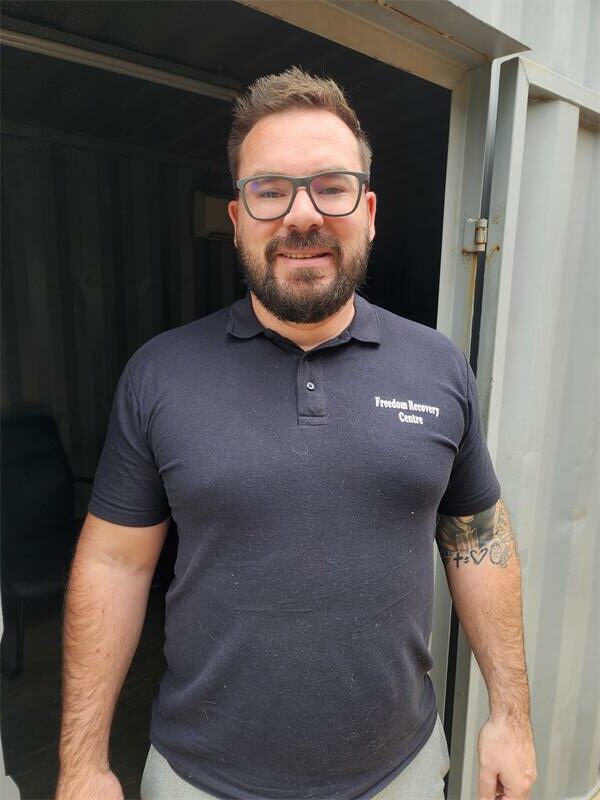
He was addicted to heroin, and after completing the recovery programme, he stayed on as a volunteer and was appointed as the financial manager in 2023.
“Recovery is not a destination but a journey, and being booked in at the FRC was the best thing I did. Today, I am proud to say that I am a full-time employee managing the finances at the centre,” Arcidiacono said.
The FRC is more than just a rehabilitation centre for substance abuse. It is a place where people find hope and purpose, learn new skills, and how to use them when reintroduced to society. It is a place where substance abusers are not judged and where the real person hidden behind the substance is found and nurtured.
There is always hope, and you are never too far gone. If you need help, call Matthews on 082 506 7890 or 078 465 4243.