LLM hosts meetings to discuss new Land Use Scheme
The Lesedi Local Municipality plans to implement land development policies.
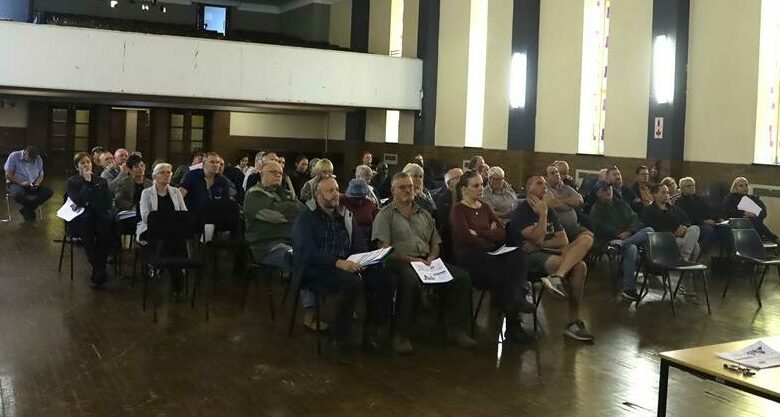
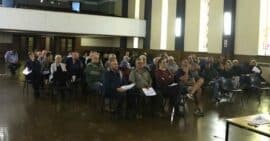
The Lesedi Local Municipality (LLM) convened a public participation meeting to engage stakeholders on the proposed Land Use Scheme (LUS) on May 7 and 8.
Among the stakeholders were members of the public, community forums, business owners, real estate companies and town planning consultants.
The meetings were held over three days in Ratanda, Heidelberg City Hall, Impumelelo, and the Vischkuil Community Centre.
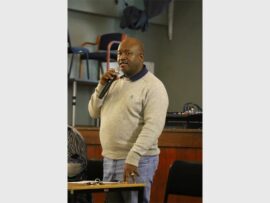
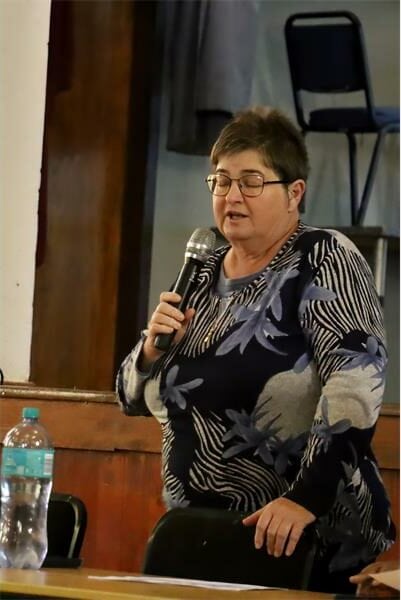
Clr Ounie Coetzee opened the meeting in the Heidelberg City Hall, before Clr Themba Motsepe introduced the role players.
The Land Management System is a collective name for several tools created through planning legislation. It comprises a scheme, the application processing procedure and policies to inform and guide decision-making on land use.
The meeting was for public participation regarding the review of the Lesedi LUS.
The LUS’ purpose is to regulate, handle and standardise general land use and associated applications for the municipal area, and this directly affects each land owner in Heidelberg.
The LLM tasked MVD Kalahari Town Planners to do a study and review the LUS in terms of the Spatial and Land Use Management Act (SPLUMA) 16 of 2013. The study incorporated various roads that link Heidelberg to other towns.
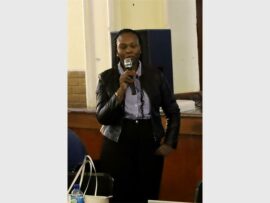
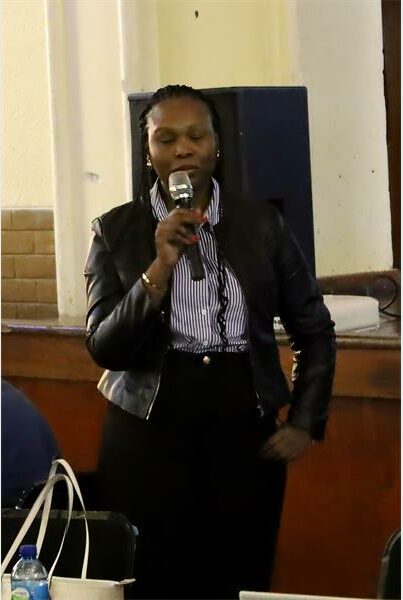
Sinazo Lubambo from Kalahari Town Planners was the key speaker.
The objective was to provide public participation in planning, simplify land use management, be flexible in content and administration, encourage private sector initiative, provide greater integration, provide the development with special requirements, implement national policy directives, reserve land for future public facilities and standardise the LUS for the municipality.
The purpose was determine and regulate the use and development of land, promote land development policies, regulate the location and use of buildings and structures for different land uses, promote development and use of land in the general interest of the public welfare, economically and socially, regulate the bulk and aesthetics of the buildings, promote the economic and sustainable use and development of land, criteria on the measuring of land, promote efficient and integrated development of land, limit nuisance and undesirable conditions in the use of development land, giving effect to the principles, norms and standards referred to in Section 6 of the SPLUMA, protect environment sensitive and valuable natural features and the conversation of heritage sites and areas of public value.
After the presentation, the community asked questions and raised concerns, mainly regarding student accommodation in Heidelberg. The students disrespect the residents and defecate in the Blesbokspruit.
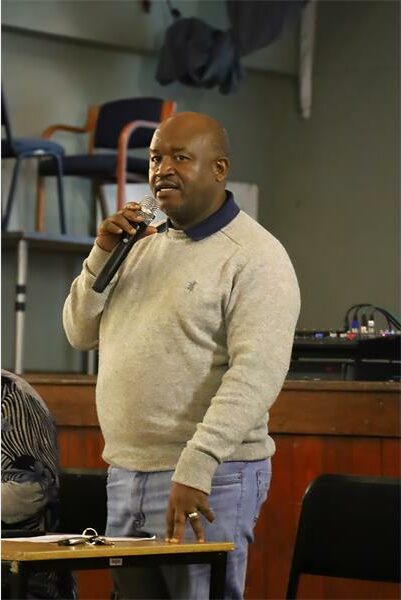
Allowing student accommodation is devaluing property in Heidelberg. The infrastructure is not up to scratch, and improvements are made without approval.
Other concerns were the enforcement of policies and by-laws without fail. Empty stands and properties must be high on the agenda.
Property taxes, especially for small holdings and agricultural properties, have jumped between 300% and 900%.
Looking after heritage sites and tourism was another concern. The general feeling was that the municipality did not accommodate the community and its concerns in its planning sessions.