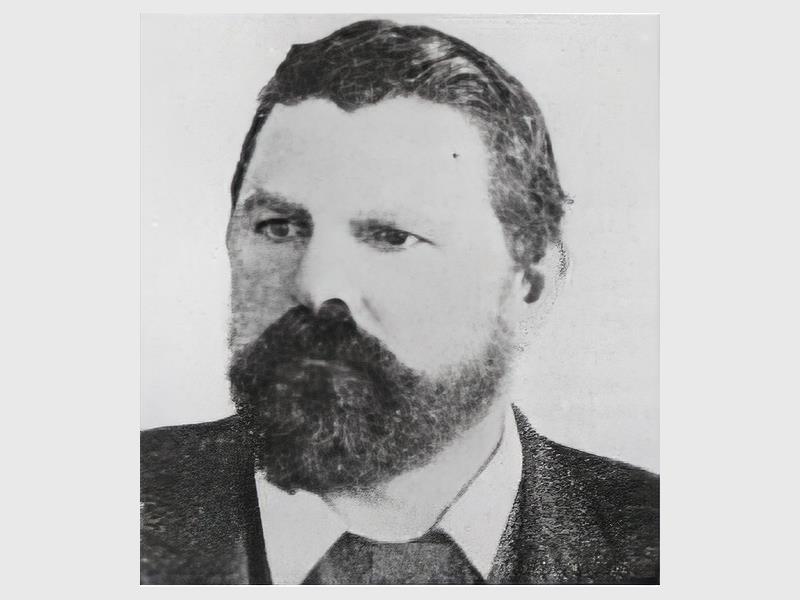
Legacy of Piet Retief Viljoen lives on in Heidelberg
From his role as mining commissioner to signing the Treaty of Vereeniging, his legacy continues through the street that bears his family’s name.
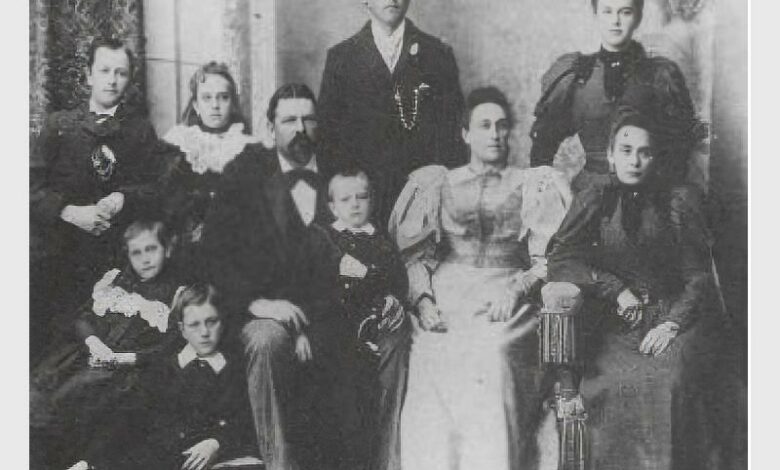
Viljoen Street in Heidelberg carries the legacy of a man whose name is rooted in local and national history.
Piet Retief Viljoen, the son of General Marthinus Jacobus Viljoen and Magdalena Margaretha Viljoen, was one of 13 children in a family with strong ties to South Africa’s pioneering past.
Through his life and contributions, Viljoen left lasting footprints in the Heidelberg community, a legacy still remembered today.
Viljoen was born on July 25, 1853, in Pretoria. He was the grandson of Voortrekker leader Piet Retief on his mother’s side.
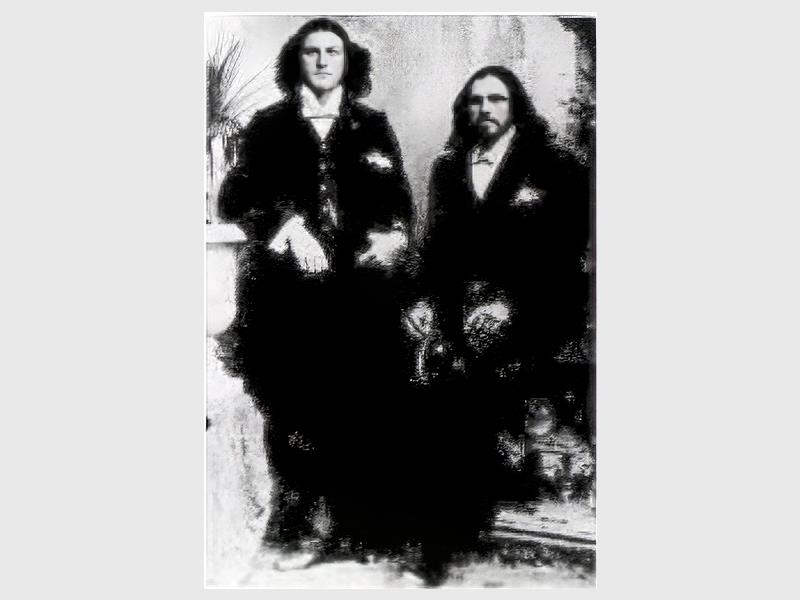
It is believed that as a young man, Viljoen was involved in various campaigns in the former Zuid-Afrikaanse Republiek (ZAR).
In 1887, Viljoen was appointed as mining commissioner in Heidelberg.
It was during the Anglo-Boer War that Viljoen came to prominence by showing his skill, dedication, and bravery while fighting in the Orange Free State and Western Transvaal.
When the British forces invaded Barberton, Viljoen and seven men escaped. Under his command, it did not take long to have 300 men fighting under his leadership again. His leadership led to his appointment to the ZAR Council.
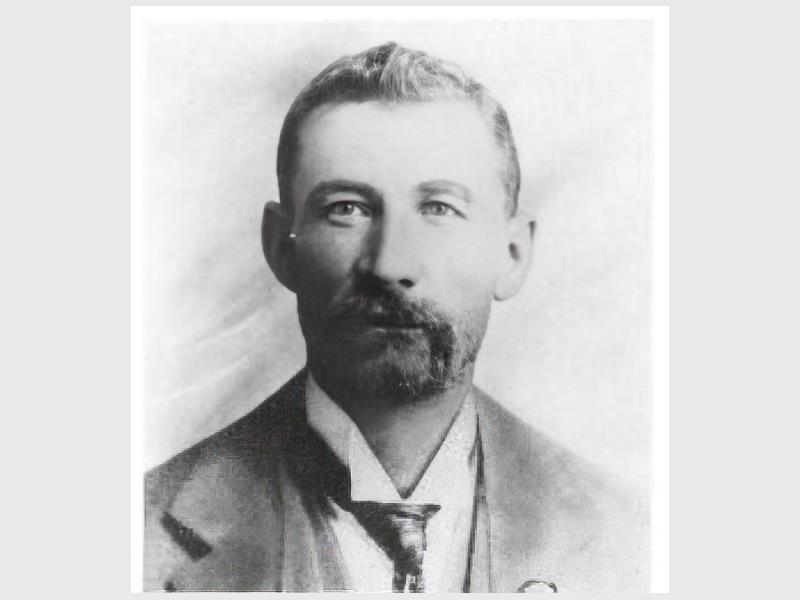
When the commanding officer of Heidelberg, General JC Spruyt, died in 1901, Viljoen was appointed as his successor.
Viljoen signed the Treaty of Vereeniging on May 31, 1902, on behalf of Heidelberg.
His mother’s signature can be found on a cave in KwaZulu-Natal, which she made during the Groot Trek.
There is a street in Heidelberg named after the Viljoen family.