Sewage crisis spirals out of control in Ratanda and Obed Nkosi
Residents of Ratanda and Obed Nkosi say they are living in unbearable conditions as raw sewage continues to flood streets, homes, and rivers.
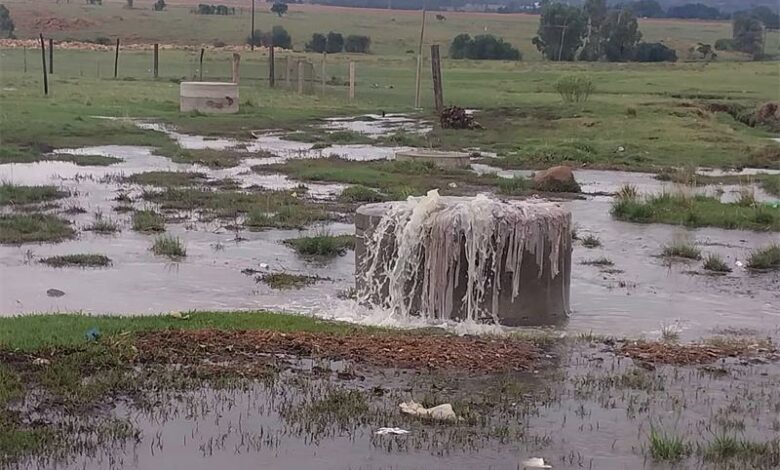
Sewage spills have become a daily nightmare for residents of Obed Nkosi and Ratanda, where pools of waste water line the streets and flow past homes.
While Heidelberg proudly carried the title of Kwêla Dorp van die Jaar in 2024, its neighbouring townships are battling severe neglect as the municipality continues to ignore residents’ pleas for urgent intervention.
However, the crisis has even spread beyond the townships, with parts of Heidelberg also suffering from persistent sewage leaks.
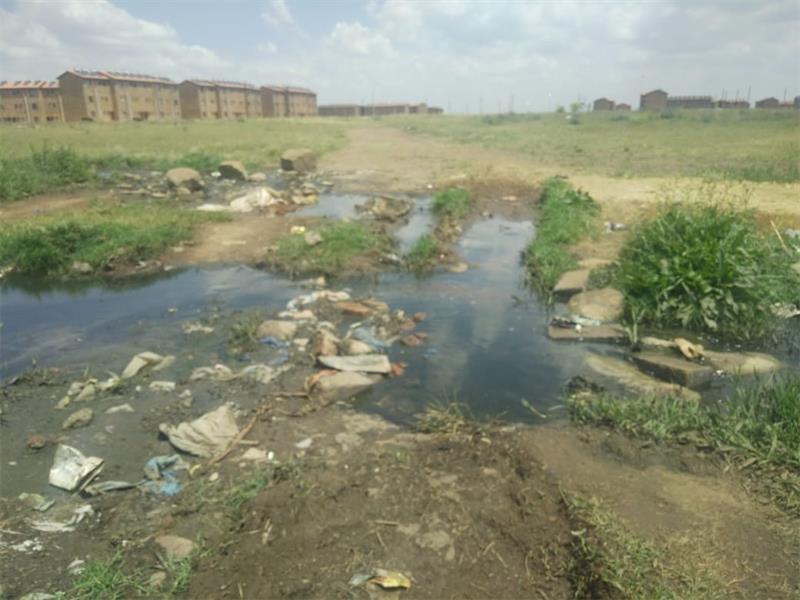
The sewage is not only an eyesore but also poses a health risk to everyone and is an ecological issue, contaminating the ground, running water, rivers, and more.
Despite numerous attempts to contact Lesedi Local Municipality, the community’s pleas have fallen on deaf ears.
After threats from the community of Obed Nkosi Flats in September, LLM Executive Mayor Mluleki Nkosi promised on national TV and news outlets that they would resolve the problem.
While some activity was observed in the sewage lines, it did not last long, and the sewage returned worse than before.
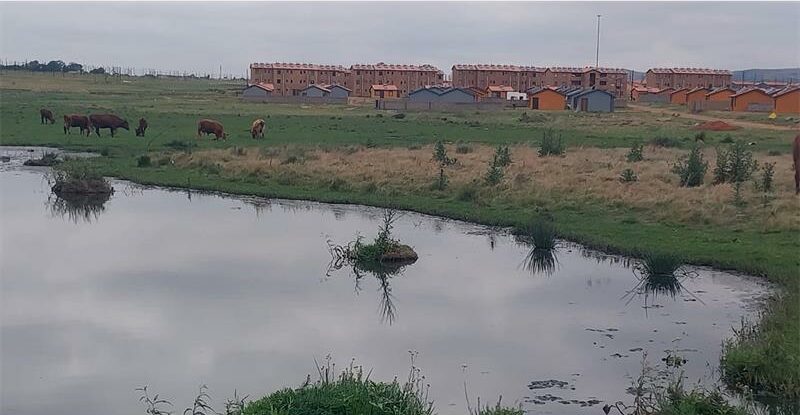
Ratanda Ext 2 is another area experiencing sewage spills and sewage running close to where the community is staying, with burst drains emitting sewage smells and visible items in the fluid.
The sewage is running down the streets, and animals have been seen drinking from it.
Further spills were spotted at the RDP Housing section in the Silahliwe area, with the sewage seeping into strong currents down the sand and open areas.
The sewage from Obed Nkosi and Silahliwe combines and flows into the Blesbokspruit, Suikerbosrand River, and eventually into the Vaal River.
The extensive damage and overpowering smell indicate that the issue has been ongoing for months, if not longer.
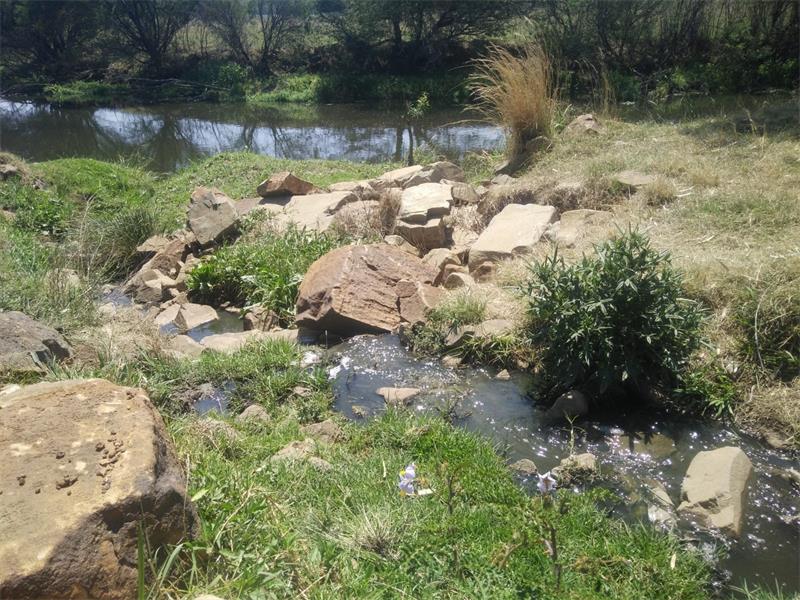
Despite the municipality’s claims of implementing “environmental precautions,” the reality is much different.
The sewage runs unfiltered and unchecked into the Blesbokspruit, eroding the soil into a small valley where contaminated water rushes into the natural river system.
Councillor Yvonne Combrink contacted the Department of Water and Sanitation in this regard. The department sent out a representative to evaluate the situation on November 3.
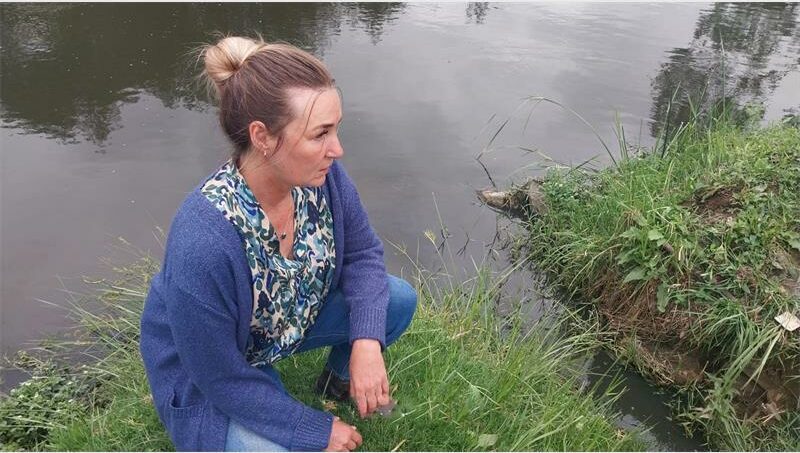
It is understood that the representative was shocked at what was seen.
In steps to follow a letter will be sent to LLM regarding the spills and leaks. LLM will have seven days to respond to the letter in how they are going forward and to rectify the disaster.
“After multiple reports to the Lesedi customer care centre failed to bring a lasting solution, I reached out to national media in an effort to ensure accountability,” said Combrink.
“Unfortunately, even after the executive mayor went on national television promising urgent intervention, the sewage spills continued. It was clear that stronger action was needed.
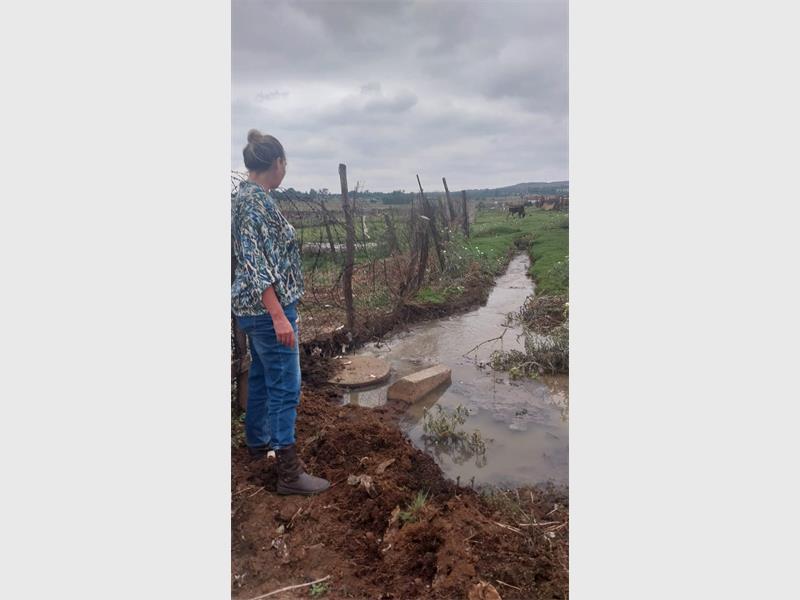
“By involving the Gauteng branch of the Department of Water and Sanitation (DWS), I am hopeful that their oversight and authority will finally compel Lesedi management to act decisively.
“DWS has the power to enforce compliance where internal processes have failed. It’s important to note that the ongoing sewage crisis is not limited to Obed Nkosi; similar problems are affecting Ratanda and other areas across the municipality. Residents are being forced to live among overflowing drains, foul odours, and contamination risks that no community should have to endure.
“The DA stands for clean, safe communities, not streets running with sewage. While others make excuses, we take action. Only the DA has a plan to stop Lesedi’s sewage crisis, protect our water, restore dignity, and hold officials accountable,” said Combrink
Heraut requested comment from the LLM. At the time of going to print, no response had been received.