Rabies cases surge: Public urged to stay away from stray animals and seals
The Department of Agriculture sounds the alarm after rising infections in dogs and Cape fur seals, with KZN, Eastern Cape and Limpopo recording human deaths this year.
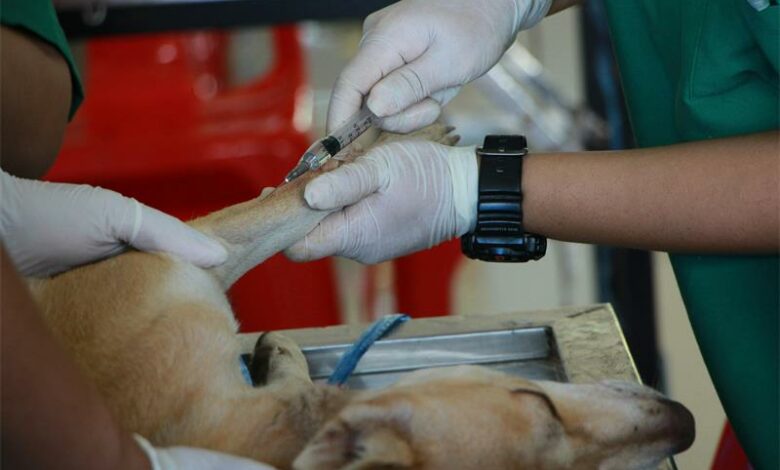
The Department of Agriculture (DoA) has issued a nationwide rabies alert, identifying several high-risk areas across SA following a sharp rise in infections among dogs, Cape fur seals, and other mammals.
Rabies is a fatal viral disease that affects all mammals, including humans. It spreads through the saliva of infected animals, most commonly via bites, scratches or licks on broken skin.
In a statement released on November 4, the DoA confirmed that human deaths linked to rabies-infected dogs were reported this year in KZN, the Eastern Cape and Limpopo.
“The public should avoid contact with stray or unfamiliar animals. Any suspected rabies cases must be reported to the nearest state veterinary office, animal welfare organisation or police station,” the department said.
Seals pose a new rabies risk along the SA coastline
Officials warned that rabies had become endemic among Cape fur seals, with cases detected on beaches along the Northern, Western, and Eastern Cape coasts.
The department stated that seals carry rabies and transmit other dangerous diseases, inflicting severe injuries with their sharp teeth.
“The public must know the risk and keep a safe distance from Cape fur seals, including seal pups,” the DoA advised.
Recognising signs of rabies
Animals infected with rabies often display unusual or aggressive behaviour, excessive drooling, paralysis and difficulty swallowing. Others might become weak, unresponsive or disoriented.
Common symptoms include:
• continuous barking, whining or howling;
• excessive salivation;
• staggering or paralysis;
• sudden aggression or fearlessness.
The virus can infect any mammal – including dogs, cats, livestock, foxes, mongooses and marine mammals like Cape fur seals.
What to do if bitten or scratched
Anyone bitten, scratched, or licked by a potentially infected animal should immediately wash the wound with soap and running water for at least 15 minutes and seek urgent medical attention.
Further information on rabies post-exposure treatment is available from the National Institute for Communicable Diseases (NICD) at www.nicd.ac.za
Pet owners urged to vaccinate
The DoA reminds the public that vaccinating dogs and cats against rabies is a legal requirement in S.
“When travelling with your pets, ensure they are up to date with rabies vaccinations and carry their vaccination booklets with you,” the department said.
Owners should contact their local state veterinarian, animal health technician or animal welfare organisation to access rabies vaccinations.