Fire safety and CPR training empowers Ekurhuleni communities
Early Childhood Development practitioners and community organisations from across Ekurhuleni received hands-on firefighting, CPR and emergency preparedness training aimed at building safer and more resilient communities.
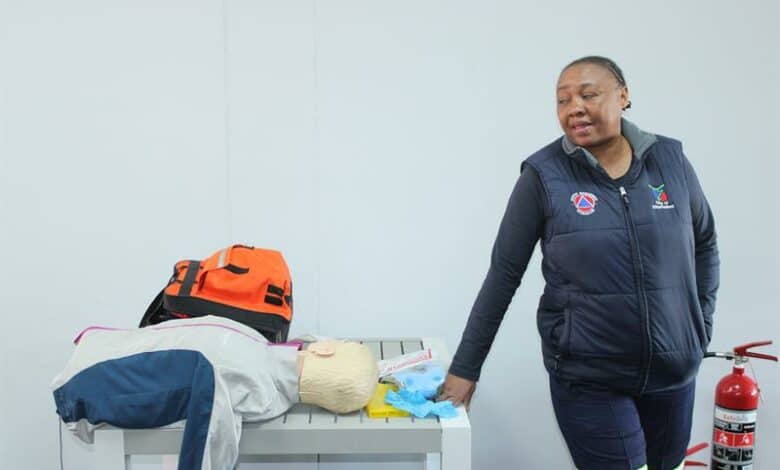
The Public, Information, Education and Relations (PIER) training session at the Old Germiston Fire Station forms part of ongoing awareness and education initiatives aimed at strengthening community safety.
The facility is currently used for media engagements and public safety training, while operational firefighting activities are conducted from the new station.
The PIER subsection focuses on educating members of the public through programmes such as First Aid Awareness, Basic Cardiopulmonary Resuscitation (CPR), Basic Firefighting, and Basic Evacuation and Escape Drills.
These programmes are designed for individuals and organisations, including Early Childhood Development (ECD) centres, scholar transport operators, frail care institutions, old age homes, and other community-based organisations across the City of Ekurhuleni.
The primary objective of the programme is to build resilient communities equipped to respond effectively to life-threatening emergencies before professional emergency responders arrive, such as paramedics and firefighters.
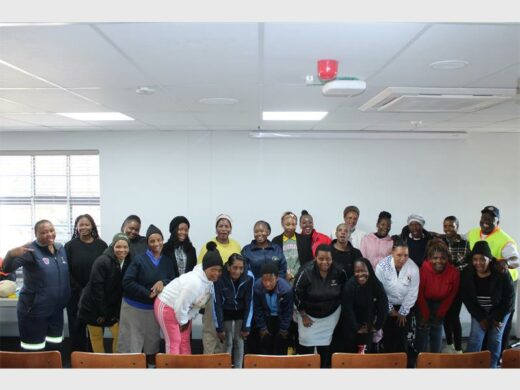
Training is conducted either at client premises, where suitable, or at the Old Germiston Fire Station auditorium, which is fully equipped for structured learning.
Recent training sessions included participation from ECD centres across Primrose, Vosloorus, Katlehong, Thokoza, Daveyton, and Thembisa. These sessions align with compliance requirements from the Department of Basic Education, with principals from the remaining ECD centres attending before the annual deadlines.
Participants were trained in basic firefighting and first aid over multiple days. Firefighting training covered the causes of fire, fire classes, and methods of extinguishing them.
The triangle of combustion, oxygen, fuel, and heat, was also explained.
Different fire classifications were covered, including Class A fires involving solid combustibles such as paper, wood, coal, plastics, and clothing; Class B fires involving flammable liquids and gases such as petrol, paraffin, diesel, oil, and LPG gases; and Class C fires involving electrical equipment and appliances.
First aid training included practical skills such as the correct use of gloves, management of bleeding wounds, dressing application, burn care, basic CPR for adults and minors, and techniques for clearing airway obstructions.
William Ntladi, DEMS spokesperson, added that the importance of fire safety, CPR, and evacuation procedures was emphasised, particularly for individuals working with young children.
“Key preventative measures highlighted included proper housekeeping, safe storage of matches, adult supervision near heating sources, use of SABS/SANS-approved appliances, avoidance of indoor smoking, and proper installation of fire extinguishers in accordance with regulations.”
“CPR training followed current international medical protocols, while evacuation procedures included roll call practices, safe movement during smoke conditions, crawling low under smoke, and the “Stop, Drop and Roll” technique in cases where clothing catches fire,” said Ntladi.
The programme also identified common safety risks in early childhood and community care environments, including a lack of emergency preparedness, underestimation of fire risks, and inadequate fire safety preparedness.
Regular refresher training and annual skills updates were encouraged to improve compliance and safety standards.
The PIER programme plays a critical role in preventing emergencies through education, awareness, and community engagement.
Ntladi said it aims to ensure that individuals across all age groups, from young children in ECD centres to elderly residents in care homes, are equipped with essential safety knowledge.
“Practical demonstrations formed a key part of the training, with participants engaging in hands-on firefighting exercises and first aid applications, including fire extinguisher use, emergency scene response, patient reassurance, wound care, bandaging, and CPR practice.”
“The City of Ekurhuleni has structured PIER operations across three regions, Eastern, Northern, and Southern, with dedicated officers ensuring consistent community outreach. These divisions are administrative in nature and do not limit community engagement across regions,” said the spokesperson.
Residents and organisations are encouraged to contact the City’s Life-Threatening Emergency call centre at 011 458 0911, which operates as a central dispatch system based in Bedfordview.
Additional emergency guidance includes providing full personal details, contact numbers, precise location information, nearest landmarks, and remaining on the line until instructed otherwise.
“Public education remains a key component in reducing fire-related incidents and improving overall community safety. Through structured learning, the PIER programme continues to promote awareness, responsible behaviour, and stronger emergency preparedness across communities in Ekurhuleni,” said Ntladi.
For emergencies, members of the public may also dial 112 free from any mobile phone.