Heidelberg mental health coach raises ADHD awareness
Mental health coach and counsellor Brecia Bianco-Badenhorst says understanding ADHD can replace years of shame and self-blame. She is inviting residents to join a seven-day WhatsApp workshop designed to educate, support and empower people living with ADHD
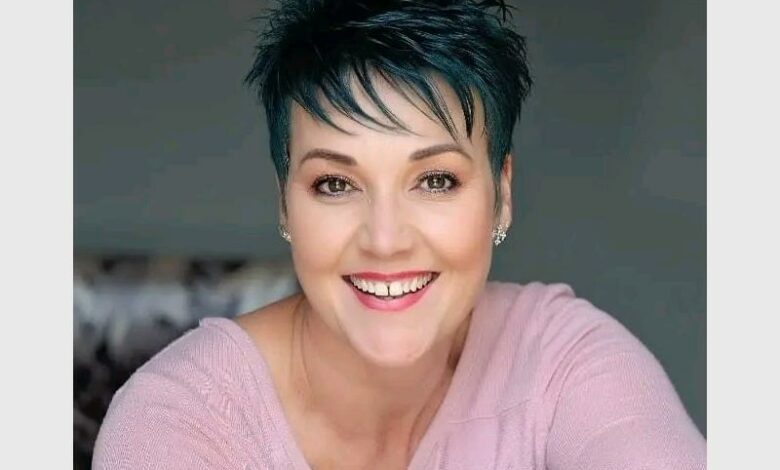
Mental health coach, counsellor and professional speaker Brescia Bianco-Badenhorst is calling on residents of Heidelberg, Nigel and surrounding communities to learn more about Attention Deficit Hyperactivity Disorder (ADHD), saying greater understanding can replace years of self-blame, shame and misunderstanding.
Bianco-Badenhorst, a certified mental health coach and addiction recovery specialist, has spent more than two decades helping people navigate mental health challenges, trauma, addiction and recovery.
Having been in recovery from heroin addiction for more than 22 years, she says her personal journey inspired her to dedicate her life to helping others who often feel judged, misunderstood or labelled.
“Throughout my career, I’ve met countless people who have spent years believing there was something fundamentally wrong with them because they couldn’t do things the way others expected them to.
“Many were told they were lazy, careless or simply needed to try harder. My passion is not only to educate people about ADHD but to help them understand the person behind the diagnosis.
“When people understand why they think, learn and experience the world differently, it often becomes the first step towards healing and self-acceptance,” she said.
Bianco-Badenhorst said one of the greatest challenges faced by people living with undiagnosed ADHD is the emotional burden created by years of criticism and unrealistic expectations.
“Words have enormous power. When children repeatedly hear that they are lazy, difficult or not trying hard enough, those messages become part of their identity. By the time many people reach adulthood, they no longer question those labels because they have heard them for so many years.
“The tragedy is that many of these individuals are incredibly intelligent, creative and capable, but they have spent years measuring themselves against expectations that don’t match how their brains function. A diagnosis doesn’t change who someone is.
“Instead, it provides an explanation for lifelong struggles that may never have made sense before. It allows people to replace shame with understanding,” she said.
Bianco-Badenhorst also encouraged parents, teachers and loved ones to approach ADHD with empathy rather than criticism.
“My goal isn’t simply to provide information,” she said.
“I want people to leave with genuine understanding and practical tools they can apply in their daily lives. Whether you have ADHD yourself or you love, teach or work with someone who does, understanding creates compassion, and compassion changes relationships.
“Most people with ADHD already know what needs to be done. Their challenge is often initiating tasks, organising themselves and regulating attention, not a lack of motivation. Encouragement, patience and understanding are far more effective than criticism because behaviour is often a form of communication,” she said.
Bianco-Badenhorst added that conversations about ADHD will help reduce stigma surrounding mental health and neurodiversity.
“I would like people to remember one simple truth: understanding should always come before judgement. Whether we are talking about ADHD, addiction, anxiety or any other mental health condition, every person deserves to be seen before they are labelled.
“The more we understand how different brains work, the more compassionate, inclusive and supportive our communities become. My hope is that people leave these conversations asking fewer questions like, ‘What’s wrong with you?’ and more questions like, ‘Help me understand what life is like for you.’ That’s where real understanding and healing begin.” she said.
Bianco-Badenhorst is inviting residents to join a seven-day WhatsApp workshop designed to educate, support and empower people living with ADHD.
Participants will receive a daily article, video lesson, worksheet and interactive reflection, followed by a comprehensive workbook to continue their learning after the course.
Those interested in taking part can register by sending “ADHD” to 077 379 4121.