Freedom Recovery Centre in Nigel launches shelter next
The shelter aims to bring outpatient clients living on the streets to a safe place so they can get clean and rebuild.
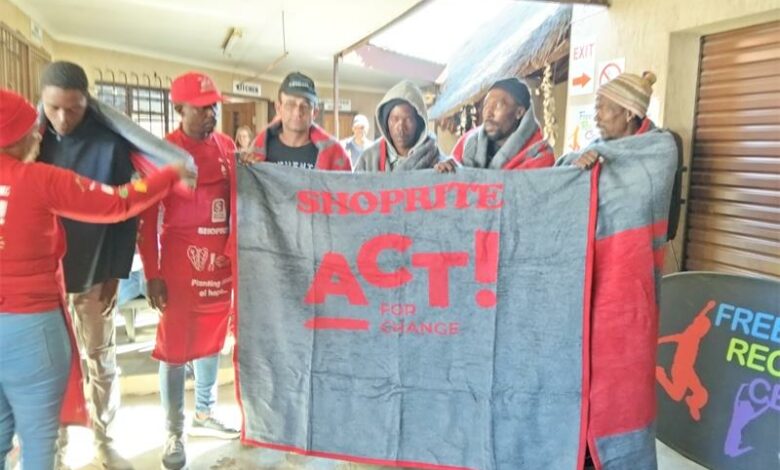
Freedom Recovery Centre, a Nigel substance abuse recovery organisation, formally opened their homeless shelter at 52 Lavers Street, next to their outpatient centre at number 50, on July 17.
The outpatient centre, where the soup kitchen is also run every weekday, provides social workers and auxiliary social workers, addiction counsellors who run group and individual therapy, a nurse who is qualified to aid in detoxing, and now a shelter for unhoused addicts.
A large number of the outpatient and inpatient intakes consist of unhoused people, who abuse substances to cope with their situation, or because it’s most easily accessed when you have next to nothing.
Many of the soup kitchen beneficiaries are also unhoused and addicts, and a need for a shelter and skills development centre was identified out of conversations with soup kitchen beneficiaries.
The skills development centre, situated at 66 Lavers Street, provides paid classes in sewing, welding, baking, computer skills, security, plumbing and gardening, the garden of which feeds the soup kitchen.
The centre also provides professional CVs for those looking for employment, or who have completed a skill course.
“We want to help our clients build a future for themselves by teaching them how to build themselves up. The shelter isn’t a permanent home; we want them to be able to move out and be secure,” said Cheryl Williams, the centre manager.
“We also assist the clients with ID applications; many of them don’t have IDs, and we constantly keep them busy so they can stay alive. Where there is life, there is hope. Nothing beats freedom, and it works if you work it,” she said.
During the opening ceremony, several speakers shared the journey to being one of the best rehabilitation systems in the province, and introduced the shelter, while in between speakers, half-house residents did performances to entertain attendees.
Pastor Derrick Matthews, who has been with the centre since its opening in 2008, recalls how they started with 13 staff, growing to three halfway houses and three recovery centres, and serving more than 350 in-patient clients, with many more outpatient clients.
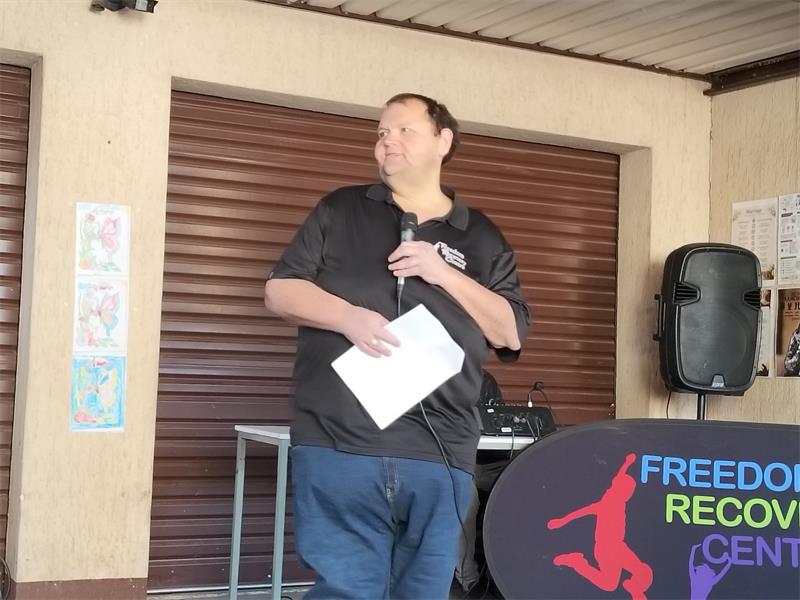
“We realised a lot of the clients live on the street, so we need an outpatient clinic, which was established in 2019. We saw that most of the clients are hungry, so we started feeding them every day from 2025 through the soup kitchen,” he said.
Now the shelter has been brought off the ground to meet further needs in the community, largely thanks to the community.
A recovered addict, Andile Mokoena, told the attendees about how difficult recovery was, and how he only started to see success when he started being honest with and obedient to himself.
His next goal is to get employment. “I pray in my deepest mind and sorrows to get a job so I can support the people who were there for me,” he said.
Many recovered addicts actually came back to the centre, this time as staff or volunteers, since they have a deeper understanding of and empathy for addiction, informing their care.
With the combined approach of feeding, housing, upskilling, supporting and treating addicted individuals, the centre hopes to address a big problem with addiction in the community, and they are grateful for everyone who contributes to this mission.