25-year Suikerbosrand partnership could unlock new tourism and economic opportunities for Heidelberg
A proposed 25-year public-private partnership to redevelop tourism facilities at Suikerbosrand Nature Reserve could attract more visitors, create jobs and provide a boost to businesses in Heidelberg and the wider region.
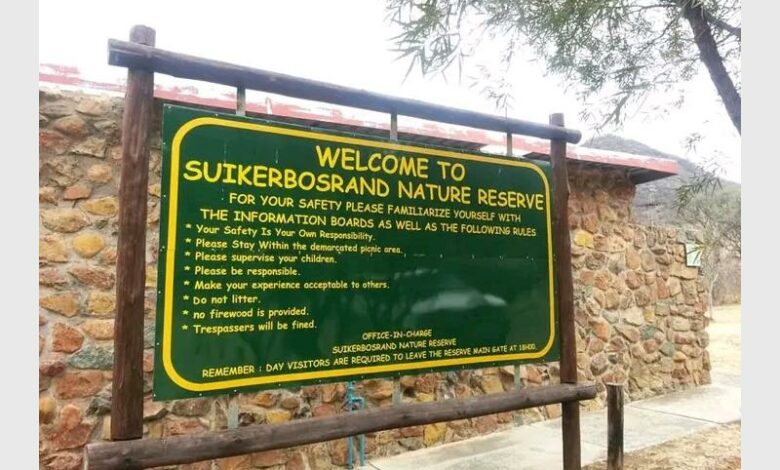
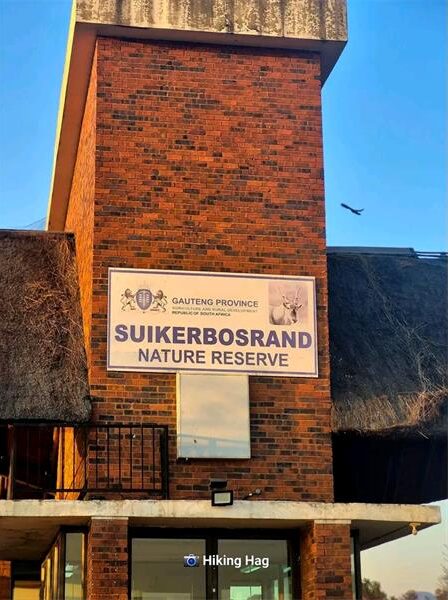
A proposed 25-year public-private partnership could breathe new life into Suikerbosrand Nature Reserve and create new tourism and economic opportunities for Heidelberg and the surrounding region.
The Gauteng Department of Environment has invited a private-sector partner to finance, redevelop, operate and maintain tourism and concession facilities within the reserve.
The Request for Proposal (RFP), GT/GDEnv/026/2026, was published on August 21. A briefing session is scheduled for September 16 at 09:00 at the Suikerbosrand concession area on the R550, with proposals closing on November 23 November at 11:00.
Suikerbosrand, which covers approximately 18 000 hectares, is Gauteng’s largest provincial nature reserve and borders the Lesedi and Midvaal municipal areas.
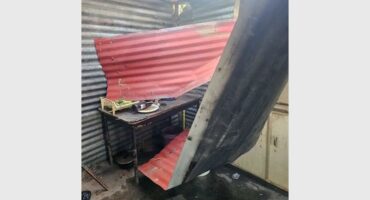
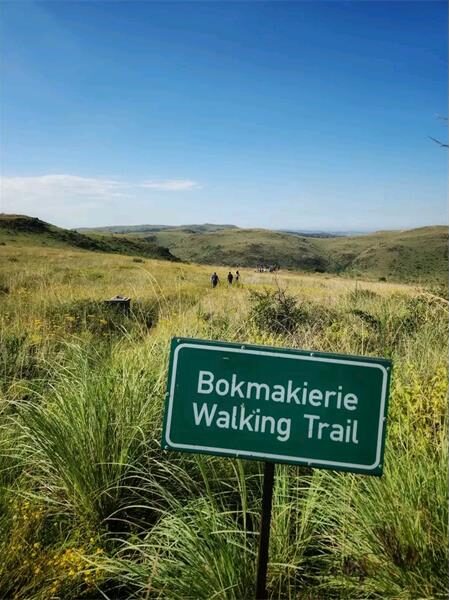
The reserve has significant potential as a nature-based tourism destination, but several of its tourism facilities have suffered from years of underinvestment and deterioration.
The current PPP follows an earlier 2024 Gauteng process that identified facilities, including the conference centre, Kiepersol Camp, Protea Camp, Kareekloof Resort Park, and Ouhout Camp, as having development potential.
For Heidelberg, a successful redevelopment could attract more visitors and overnight tourists to the area, benefiting accommodation establishments, restaurants, tour operators, guides, transport providers, and other local businesses.
It could also create employment and procurement opportunities while restoring facilities that have remained underused. Importantly, the proposed partnership does not mean that Suikerbosrand Nature Reserve is being sold.
The province will retain ownership, while the successful private partner would operate the concession for 25 years. At the end of the agreement, the facilities would revert to the department.
The development will, however, need to balance commercial tourism opportunities with conservation, environmental protection and public access. Questions around local employment, procurement, investment commitments and monitoring of the private operator will be important as the process progresses.
For Heidelberg, the PPP represents an opportunity to unlock the economic potential of one of the region’s most important natural assets.
If successfully implemented, Suikerbosrand could once again become a major tourism attraction, bringing visitors, investment and economic activity to Heidelberg and the wider region while ensuring that the reserve remains protected for future generations.