Gauteng Legislature empowers Ratanda residents ahead of 2026 local government elections
Ratanda residents have been urged to understand their role in local government, verify information before sharing it and participate responsibly in the democratic process as the country prepares for the 2026 local government elections.
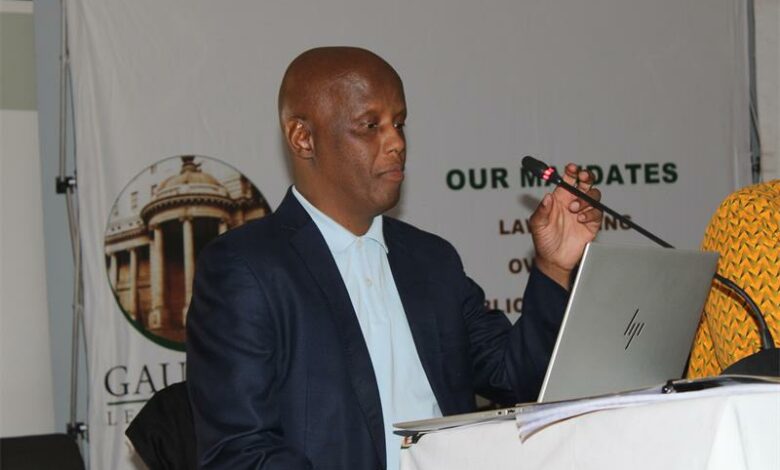
Ratanda residents have been urged to take a more active role in local democracy by understanding how government works, knowing their rights and responsibilities, and verifying information before making decisions ahead of the 2026 Local Government Elections.
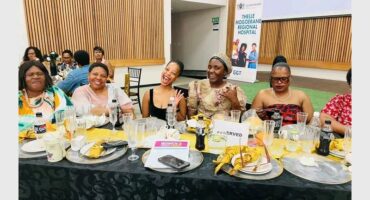
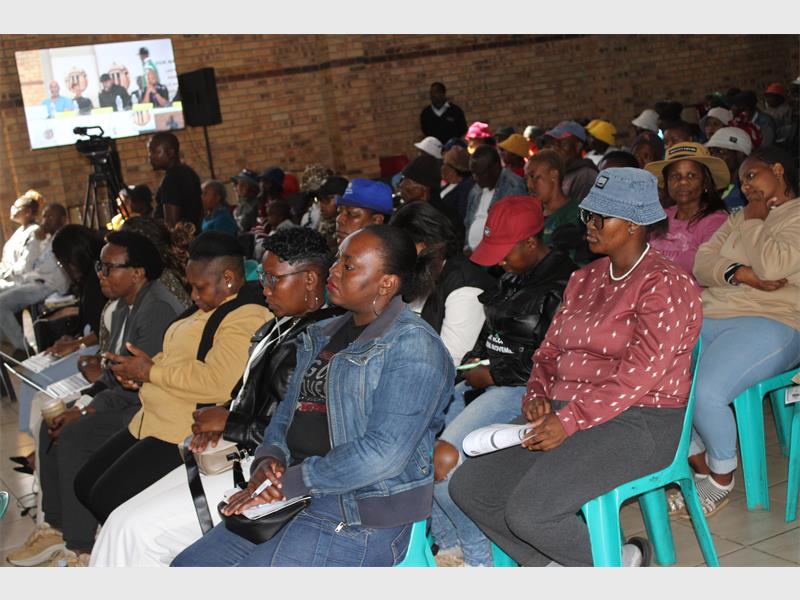
The call was made during a civic education stakeholder engagement hosted by the Gauteng Provincial Legislature at the Ext 23 Multipurpose Hall in Ratanda on September 3.
The engagement, held under the theme “The Role of the Gauteng Legislature, the Mandate of OCPOL and Voter Education,” brought together community members, local stakeholders and representatives from various government institutions.
The programme was led by Honourable Ntombi Mekgwe, Chairperson of the Oversight Committee on the Premier’s Office and the Legislature.
Lesedi Local Municipality Speaker Councillor Phindi Mpemvu also attended and delivered the opening remarks.
Mekgwe said civic education plays an important role in empowering communities to understand democratic processes and hold public institutions accountable.
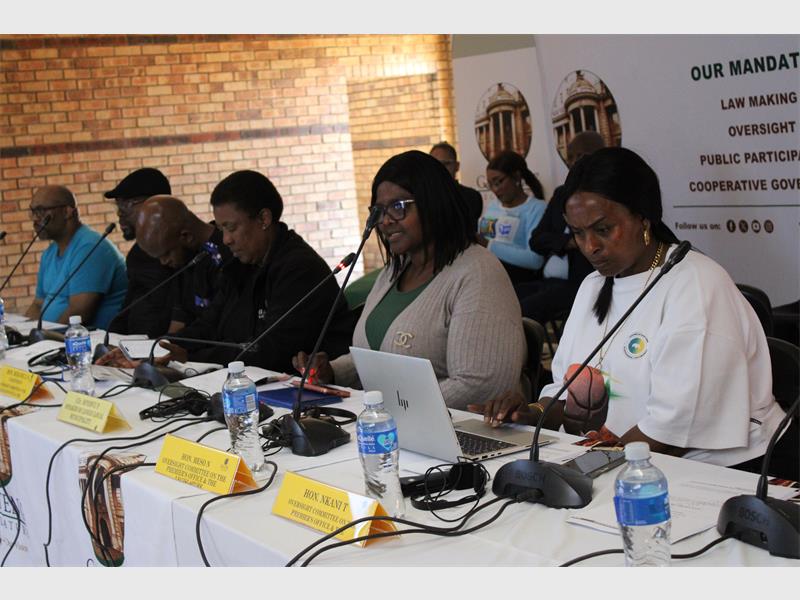
“An informed community is an empowered community. Residents need to understand how government works, what their representatives are responsible for and how they can participate in democratic processes. Civic education gives communities the knowledge they need to hold institutions accountable and make informed decisions,” she said.
Officials from the Gauteng Provincial Legislature’s Public Participation and Research Units delivered presentations to provide residents with a better understanding of the Legislature and its oversight functions.
Prince Kubheka from the Public Participation Unit presented on the role and mandate of the Gauteng Provincial Legislature. At the same time, Obakeng Mogole from the Research Unit delivered a presentation on the mandate of the Oversight Committee on the Premier’s Office and the Legislature.
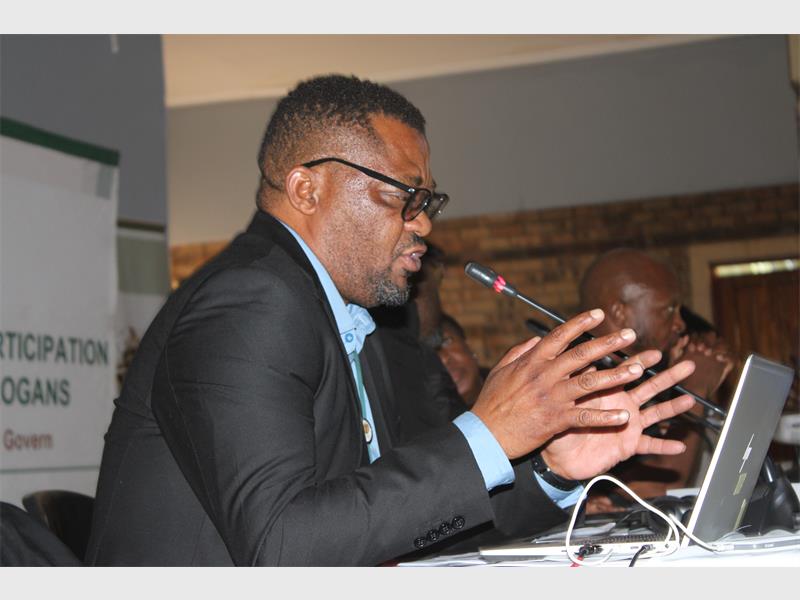
Kubheka emphasised that public participation extends beyond attending government meetings and requires communities to engage with democratic processes actively.
“Public participation is not only about attending meetings. It is about communities understanding that they have a voice in government processes and using that voice constructively. Residents should know where to raise their concerns, how to engage with elected representatives and how to contribute to decisions that affect their communities,” he said.
Mogole said understanding the role of oversight structures is essential for communities seeking to hold government accountable.
“Oversight is an important part of ensuring that government institutions remain accountable to the people they serve. Communities need to understand OCPOL’s role and how it monitors the work of the Premier and the Legislature. When residents understand these processes, they are better positioned to raise concerns, engage with government and contribute meaningfully to strengthening accountability and service delivery,” he said.
Voter education formed another key part of the programme, with Independent Electoral Commission representative Philile Nkone providing residents with information about the electoral process.
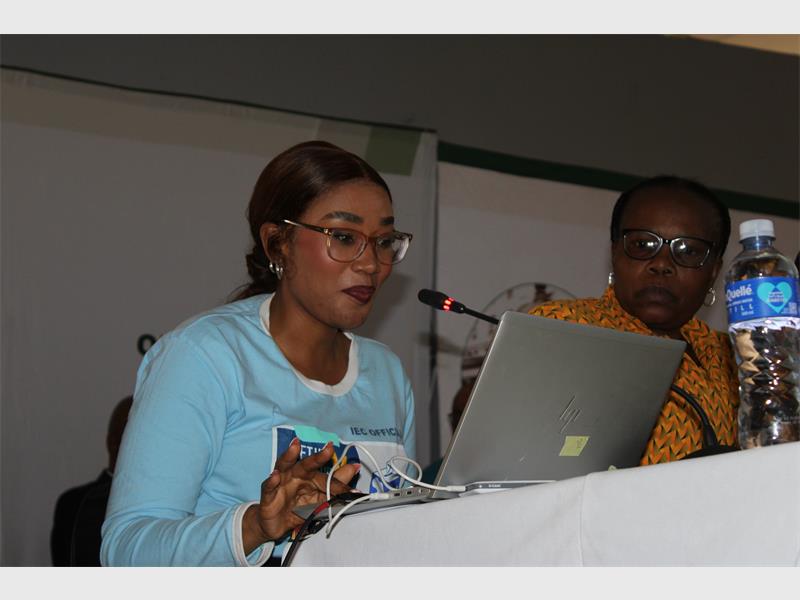
Voters must take responsibility for the information they use when making decisions.
During an election period, residents may receive many messages on social media, but not everything they see or hear is accurate. We encourage voters to verify information and use official and credible sources when seeking information about elections,” she said.