Gauteng adds 40 newly certified social workers to its workforce
The 40 graduates are expected to apply their specialised knowledge in supporting communities and addressing social challenges across the province.
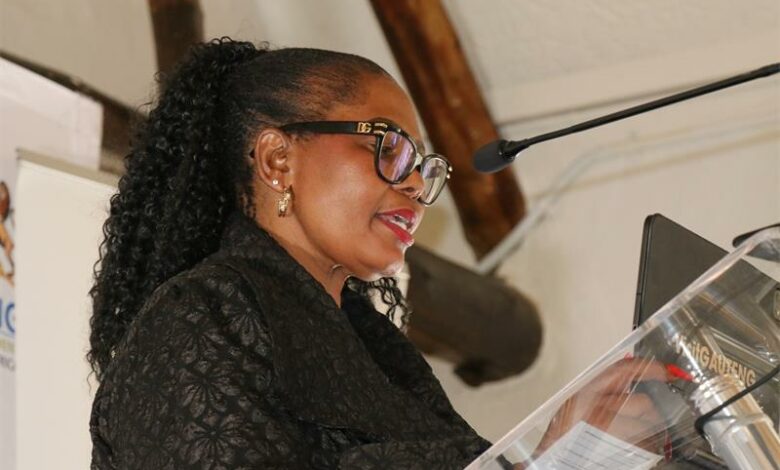
The Gauteng Department of Social Development (GDSD) recently led a graduation ceremony where 40 social workers were certified after they successfully completed short courses focused on Social Work in Schools and The Road to Recovery: Substance Use and Addiction Management.
The certification ceremony was hosted by the University of the Witwatersrand’s School of Human and Community Development on September 18.
The programme recognised the importance of continuous professional development in equipping social workers with specialised knowledge and practical skills to respond effectively to the complex social challenges confronting communities across Gauteng.
The GDSD said the training forms part of efforts to strengthen the capacity of social workers to provide responsive, evidence-informed and quality services, particularly in areas such as substance-use prevention, early intervention, rehabilitation and support for individuals and families affected by addiction.
Head of the Wits School of Human and Community Development, Dr Nkosiyazi Dube, said the ceremony was an important reminder of the critical role social workers play in addressing the scourge of substance abuse and other social challenges.
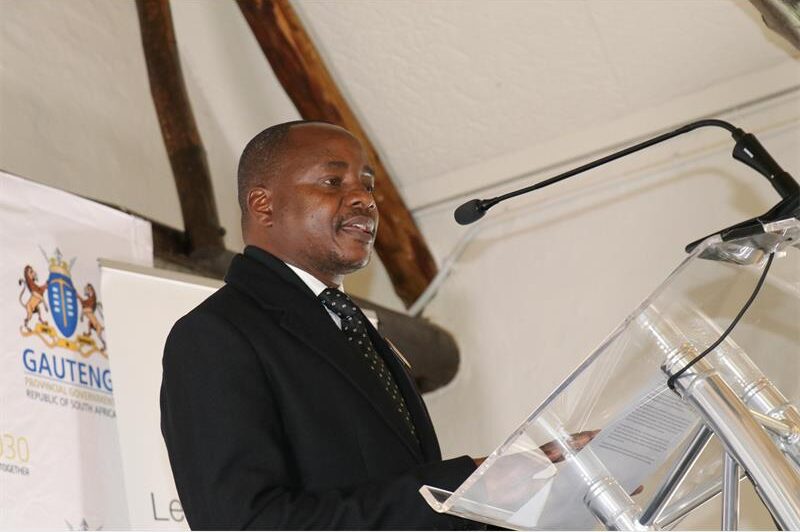
“To me, this ceremony reflects the value of lifelong learning. Our professionals are continuously called upon to update their knowledge, strengthen their skills and ensure that they remain responsive to the changing needs of the communities they serve,” said Dube said.
He said the feedback received from participants demonstrated that the programme had been well received.
“Together, we have reflected on the course, and I am happy that it was received very well. Our students indicated that they will continuously implement the course content in their different spaces of work,” he said.
Dube further commended the social workers for their dedication to improving the quality of services provided to communities.
“Your participation in this programme demonstrated your dedication to improving the quality of service provided to the people. As social workers, we are questioned so much about service delivery, and continuous learning is one of the ways in which we can strengthen our ability to respond effectively to the needs of society,” he said.
He also highlighted the importance of the partnership between the University of the Witwatersrand, Wits Plus and the GDSD in strengthening the link between academic learning and professional practice.
“This collaboration will bridge the gap between knowledge gained and professional practice, allowing us to ensure that learning contributes directly to social impact and improved service delivery,” Dube said.
Delivering the keynote address, Gauteng MEC for Social Development, Nomantu Nkomo-Ralehoko, congratulated the social workers on reaching this important milestone and encouraged them to apply their newly acquired knowledge in the communities they serve.
She emphasised that social work is a profession that requires both technical expertise and a deep commitment to restoring dignity and strengthening individuals, families and communities.
“Today is not simply a celebration of a qualification; it is the beginning of a profound responsibility to society. You are entering a profession that meets people at some of the most difficult moments of their lives, when families are fractured, children are vulnerable, communities are wounded and individuals are searching for a way back to dignity. Wear your profession with pride, but also with humility and discipline,” said Nkomo-Ralehoko.
She said social workers have a crucial role to play in confronting substance abuse, particularly through prevention, early intervention, rehabilitation, aftercare and the reintegration of individuals into their families and communities.
“South Africa needs social workers who are present, compassionate, courageous and deeply committed to the people they serve. The battles before you are difficult, but they are winnable. The battle against substance abuse can be won if we intervene before addiction destroys another young life, another family and another community,” she said.
Nkomo-Ralehoko added that every individual supported through rehabilitation, every child protected, every woman assisted out of danger and every family restored represents meaningful progress towards building safer, healthier and more resilient communities.
She encouraged the newly certified social workers to use their enhanced knowledge and skills to strengthen interventions and ensure that vulnerable individuals and families receive appropriate support.