Gauteng urges road users to avoid littering and illegal dumping
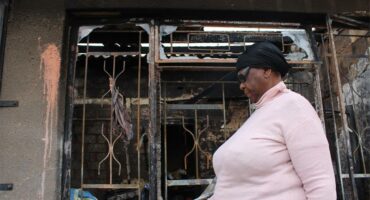
Gauteng Roads and Transport MEC Kedibone Diale-Tlabela asks the road users to avoid littering and illegal dumping, as it may cause accidents.
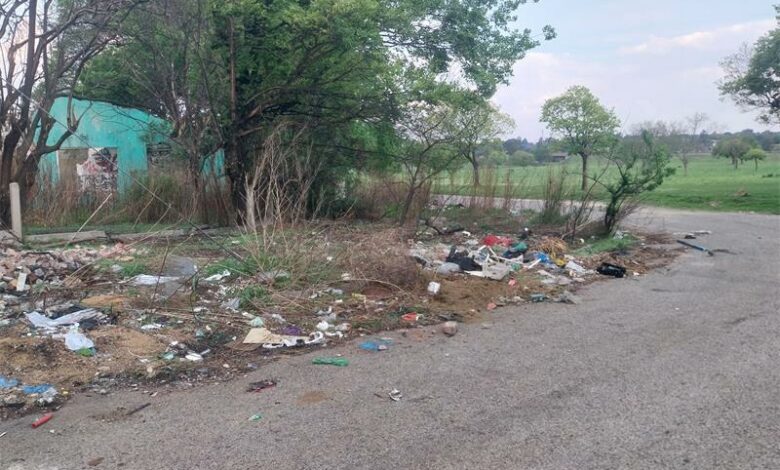
The Gauteng Department of Roads and Transport (GDRT) is calling on motorists and communities to stop littering and illegal dumping along provincial roads and in public spaces, warning that accumulated waste can create hazardous conditions that may contribute to road accidents.
Beyond being unsightly and costly to clean up, roadside litter and illegally dumped waste can obstruct roads, compromise visibility and create potential hazards for motorists and other road users.
The department is therefore urging communities to take responsibility for keeping public spaces clean while strengthening efforts to enforce relevant environmental and road safety regulations.
The call forms part of Gauteng’s Bontle ke Botho (BKB) campaign, a clean-and-green environmental programme that encourages residents to work together to combat littering and illegal dumping.
As part of its routine road maintenance programme, GDRT cuts grass and removes litter along provincial routes to keep roads safe and accessible.
GDRT transports all waste collected during these operations to registered municipal landfill sites.
These efforts also support the province’s commitment to building a circular economy by creating opportunities for waste pickers, buy-back centres and local recycling initiatives, turning waste management into a source of economic activity and job creation.
The department has reminded residents that the Gauteng Transport Infrastructure Act (GTIA) requires provincial road reserves to remain free of unauthorised activities and illegal occupation to protect road users and preserve road infrastructure.
The Act prohibits activities such as unauthorised trading, planting crops or vegetables, abandoning disused vehicles or machinery, and occupying road reserves without permission.
It is also an offence to spill, drop, place, or dispose of litter, waste, or any other substance on a public road, pavement, or stormwater kerb inlet.
Gauteng Roads and Transport MEC Kedibone Diale-Tlabela has appealed to motorists and communities to take greater responsibility for their surroundings and understand the wider consequences of littering.
“People may think that throwing away just one piece of litter a day is harmless, but those small actions add up. By the end of a month or a year, they can result in huge piles of rubbish.
“This places unnecessary pressure on public finances and takes resources away from other important projects aimed at improving road infrastructure and public transport services,” said Diale-Tlabela.
She added that the government is forced to redirect funds towards cleaning up public spaces because of irresponsible dumping and littering.
“These costs could be avoided if everyone played their part. Illegal dumping and littering also increase the frequency and cost of infrastructure maintenance, placing an additional burden on government resources,” she said.
The MEC has further urged residents to consider the environmental consequences of their waste disposal habits and to use responsible waste management and recycling facilities.
Motorists and community members are encouraged to report illegal dumping to the relevant authorities so they can investigate and address it.
Keeping Gauteng’s roads and public spaces clean is a shared responsibility. Through collective action, residents can help protect the environment, improve road safety and preserve public infrastructure for future generations.