
The benefits of therapeutic reflexology
Therapeutic reflexology is safe and it will not make any condition more acute
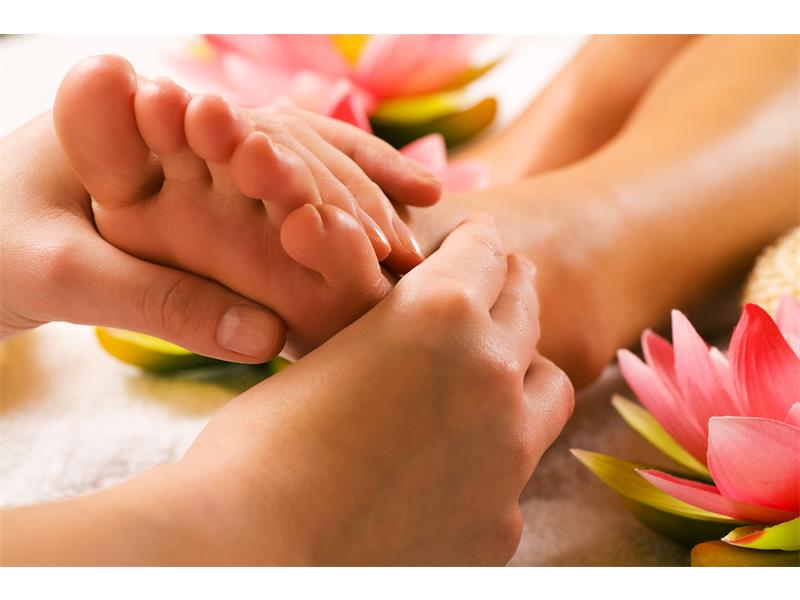
AS part of worldwide celebrations of International World Reflexology Week from September 22-28, reflexologists will celebrate their profession.
This year South African Therapeutic Reflexologist will host a CPD workshop for registered Allied Health Professionals on September 20.
The theme will be Focus on Allergies. To book, call 083-271-0173.
What is therapeutic reflexology? It is an ancient holistic treatment which believes that all the organs of the body correspond to reflexes in the ears, face, feet and hands, thereby promoting the natural healing potential of the body by working on stimulating the central nervous system.
During a treatment, weaknesses in the body can be detected (the scientific part of the treatment) and the patient referred to a doctor if required.
Therapeutic reflexology is safe and it will not make any condition more acute.
A session begins with a visual examination of the part of the body to be worked on. If it is the foot that is being assessed, it is interesting to note that any spot, line, colouration on a particular part is taken into consideration as an indication of a weakness in that part of the body.
The benefits to a person are felt immediately after a treatment and in some cases, and depending on the style of treatment, within at least three treatments.
Therapeutic reflexology should not be confused with massage. A therapeutic reflexologist is a person who has studied anatomy, physiology and pathophysiology for the required two years and has completed their jurisprudence and registered with the Allied Health Professions Council and Board of Health Care Funders.
The effects of therapeutic reflexology include deep relaxation/energy booster (balances energy), improved circulation, increased oxygen levels, efficient distribution of nutrients, controls pain and alleviates stress – mental, physical and emotional tension.
Therapeutic reflexologists are not qualified medical practitioners and may not diagnose nor prescribe medicines. They are encouraged to refer patients to a doctor when necessary.