
Malaria – a preventable threat to SA’s blood supply
Prevention methods are reducing malaria globally, but Africa is still the continent where the most deaths from malaria occur.
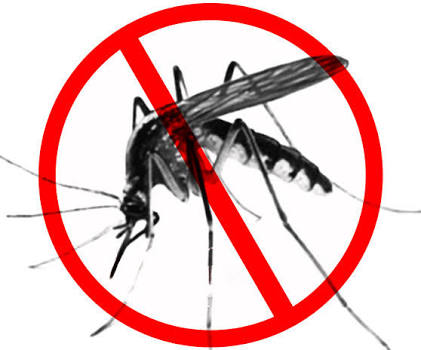
Malaria is a deadly but preventable disease that exists in parts of South Africa.
The South African National Blood Service (SANBS) therefore recognises Malaria Week 2015 in November, and commits to safeguarding the blood supply from malaria.
According to the SANBS, in 2013 over half a million adults and children died from malaria globally and today, 1,2 billion people live in high-risk areas.
These are generally tropical regions with heavy rainfall, humidity and high temperatures, where mosquitoes that spread the disease thrive.
The situation is less devastating in South Africa, where 10 percent of the population lives in high-risk areas such as Limpopo, Mpumalanga and KwaZulu-Natal and the spread of malaria is seasonal.
In addition, the World Health Organization (WHO) statistics show that from the 8 645 malaria cases confirmed in 2013, 104 deaths occurred.
The most effective way to prevent getting infected is to control and limit exposure to malaria-carrying mosquitos by using methods such as mosquito nets and appropriate insecticides.
“Prevention methods are reducing malaria globally, but Africa is still the continent where the most deaths from malaria occur. Therefore there is an opportunity to improve education and awareness about the epidemic and find better ways to curb the spread,” said the SANBS Chief Marketing Officer Thapelo Mokoena.
He said those who are most at risk of malaria infection are young children with underdeveloped protective immunity, people living with HIV and non-immune pregnant women.
Mr Mokoena also said malaria infections do not manifest immediately after exposure in all patients, and symptoms in a donor may occur only after a donation has been made.
Therefore the challenge that malaria poses for the blood service is that donors living in low-risk areas and visiting an endemic, high-risk area must wait for four weeks after their return to a low-risk area to give blood.
“The SANBS runs extensive laboratory procedures as part of an integrated screening process to test each collected unit of blood for infections that are especially common in South Africa such as HIV, Hepatitis B and C and syphilis. To avoid malaria-infected blood passing through the system, the SANBS conducts comprehensive interviews to obtain information from donors and to encourage them to stay malaria-free,” he said.
Through daily blood drives and donation centres run in eight provinces, the SANBS aims to collect 3000 units of blood.
Mr Mokoena said the need for life-saving blood transfusions in South Africa leaves no room for compromise in the precautionary measures that SANBS implements to make sufficient quantities of safe blood available.
“We greatly appreciate the donors for their selfless gift of life to patients in need, and we urge everyone who donates blood to answer all the questions asked in donation questionnaires accurately. People who have queries or concerns about donating blood are encouraged to visit one of the donation centres, or call our toll-free helpline 0800 11 9031,” he said.