
Getting your overweight pets back into peak condition
It’s important to remain objective when assessing your dog
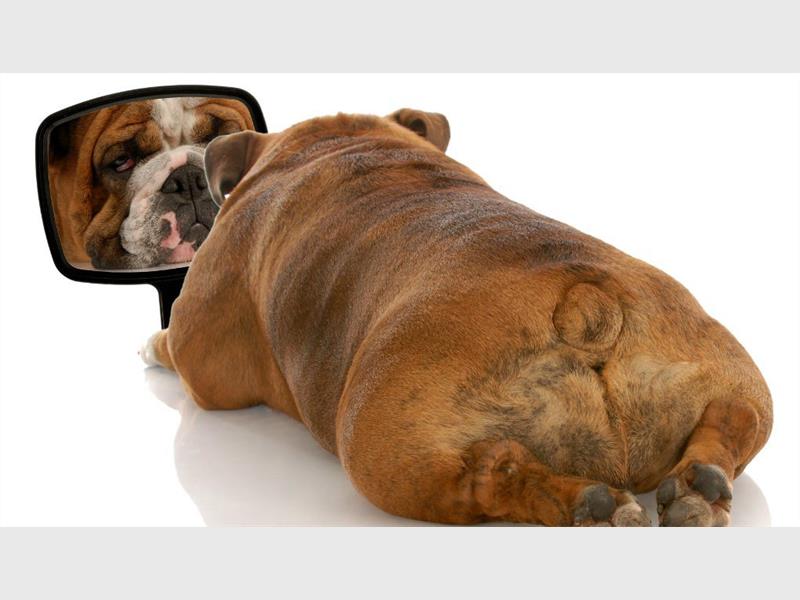
DO you love treating your pets to a second helping of food, feeding them out of your plates or giving them a treat everyday?
Not only does weight issues affect humans but they also affect our pets in many ways.
Compounding the issue is an often oblivious pet owner who is completely unaware of their pet’s overweight condition. So, a good starting point is determining whether or not your dog is in fact overweight or obese.
It’s important to remain objective when assessing your dog. Although breed guidelines may give you a rough idea, remember that each dog is different and sizes do vary, even within a specific breed.
A more accurate assessment will look at your dog as an individual, using his ribs as an indicator. Stroke your dog’s rib cage, with one palm on either side. An ideal weight is characterised by being able to feel each rib, individually (though they should not be protruding – this is indicative of an underweight dog) with his abdomen slightly tucked up.
If you are unable to distinguish each individual rib or if his belly is hanging below his abdomen or a distinguishable waist is lacking it’s probably time to put Rover on a weight management regime, including the correct and healthy diet and increased exercise.

Here is one of Pet Food Industry’s recommending diets:
Ensure that the food you are feeding your dog meets his daily energy requirements. If he is consuming more calories than he is burning he will continue to pick up weight. Splitting his daily ration into smaller, more regular meals, a decrease in the amount of food given or a change of diet may be required – chat to the experts, such as your veterinarian, for more advice
Ensure that the diet you are feeding is appropriate for your dog’s age and lifestyle. The food should be made with the best quality ingredients that you can afford as nutritionally sound food will keep your dog feeling fuller for longer. In extreme cases, often when a slowed metabolism has resulted from surgery, a special, particular nutrition diet may be prescribed or recommended by your vet to aid in the weight loss efforts
If you do make a change to the food you are feeding, remember to do this gradually, over a week or two, slowly introducing the new food so as not to upset your dog’s stomach.
As the responsible pet owner, you can have a massive impact on your pet’s weight loss goals – practise self-discipline and control the doggie treats and curb the table scraps; it will go a long way to helping your dog maintain a healthy weight, and even extend his life.
Show him more affection instead and be sure to get everyone on board with the new plan, so that no sneaky treats are being given on the sly, undoing all your efforts.
Measure successes closely so that your dog’s diet can be reassessed when his goal weight is achieved.
Exercise is also very important, here are some tips:
Although an increase in physical activity will assist in bridging the gap between the number of calories ingested and the number of calories used, it is vital that your expectations are realistic.
A dog that has not been walked in months cannot be expected to run 5km. Much like us, a level of fitness needs to be built up slowly.
Your dog’s age is also a consideration, as an older pet, suffering with arthritis should not be overexerting himself physically and low impact walks are a better option.
Increasing play in the yard with a regular game of fetch will also count as increased activity.
In most cases one will have the best success when addressing diet and exercise at the same time.
As with most things, prevention is better than cure and weight management is a lifelong goal.
Start your pups out with a healthy routine of regular exercise and the correct diet for their life stage and you’ll hopefully never need to put in the extra effort that losing weight requires.