
Local newsNews
Stop your child from biting
Biting is quite common in children at preschool age, but that's little consolation if your child bites.
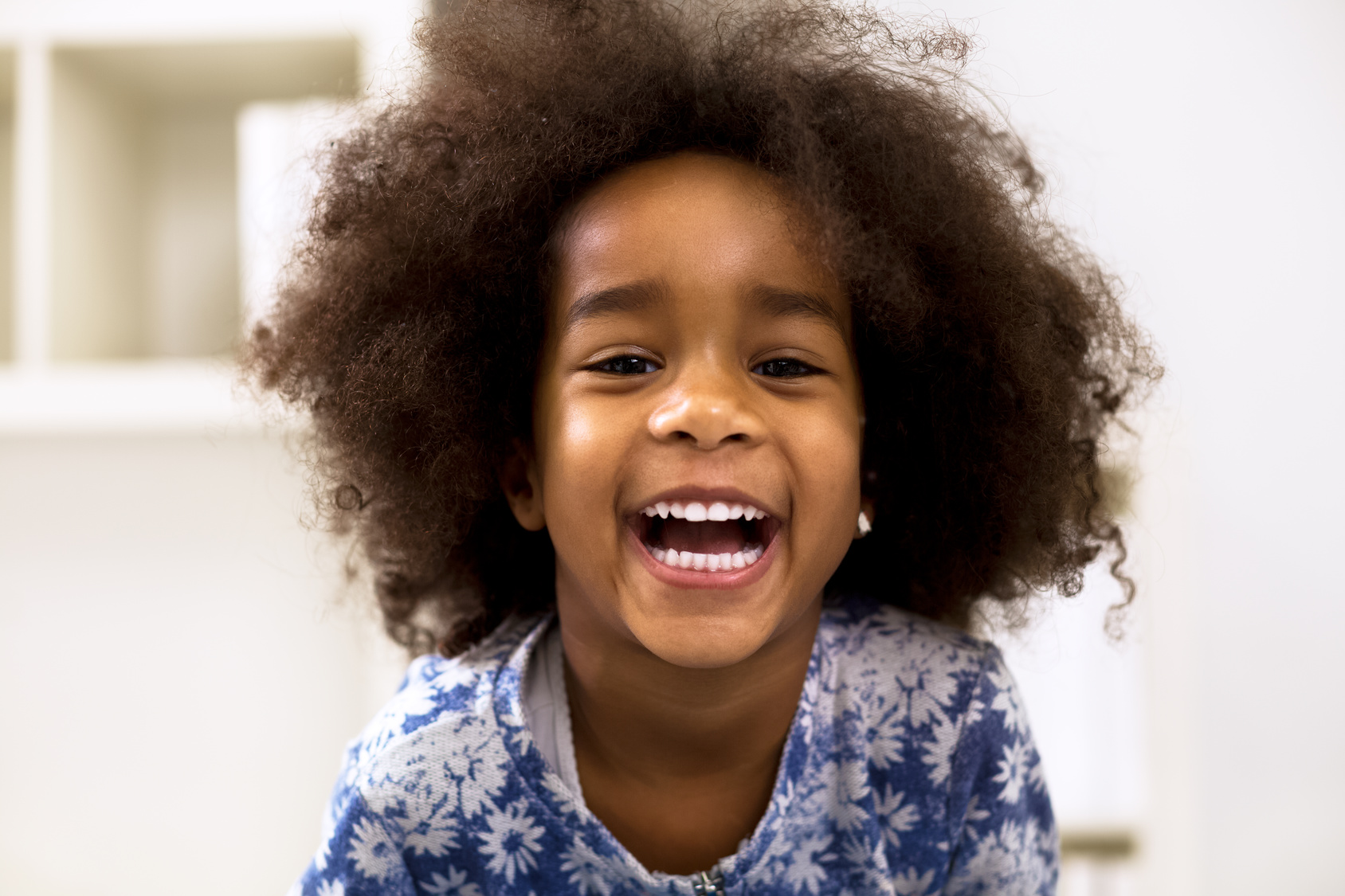
Biting is quite common in children at preschool age, but that’s little consolation if your child bites. After all, no one wants their child to be considered the menace of the school.
You may think biting is just another phase you’ll have to live through, but that’s not necessarily the case. There are ways to get to the bottom of your toddler’s biting habit.
Here’s how to help curb this type of behaviour.
How to Curb Biting
- With biting, it’s important to deal with the behaviour immediately after it happens. The next time your child bites, try these steps:
- Be calm and firm. Address your child with a firm “no biting!” or “biting hurts!” Keep it simple and easy for your child to understand. Make it clear that biting is wrong, but avoid lengthy explanations until your child is old enough to understand. Remaining as calm as possible will help resolve the situation more quickly.
- Comfort the victim. Direct your attention to the person who has been bitten, especially if it’s another child. If there is an injury, clean the area with soap and water. Seek medical care if the bite is deep or bleeding.
- Comfort the biter, if need be. Often, children don’t realise that biting hurts. It’s alright to comfort a child who may be feeling upset about hurting someone. But try not to reinforce this negative behaviour if he or she bites to get attention.
- Offer alternatives. When things have calmed down, suggest alternatives to biting, like using the words “no”, “stop”, and “that’s mine” when wanting to communicate with others.
- Redirect. Distraction works wonders with kids this age. If emotions and energy levels are running high or if boredom has set in, help redirect a little one’s attention to a more positive activity, such as dancing to music, colouring or playing a game.
Excessive biting, biting that seems to be getting worse rather than better and other hostile behaviours might mean you need to get additional help.
If you’re concerned about your child’s behaviour, talk to your paediatrician about finding out its causes and ways to deal with it.
- Information obtained from www.kidshealth.org
At Caxton, we employ humans to generate daily fresh news, not AI intervention. Happy reading!