WATCH: School kids celebrate their identity through language
The theme for the year was 'Towards Sustainable Future through Multilingual Education'
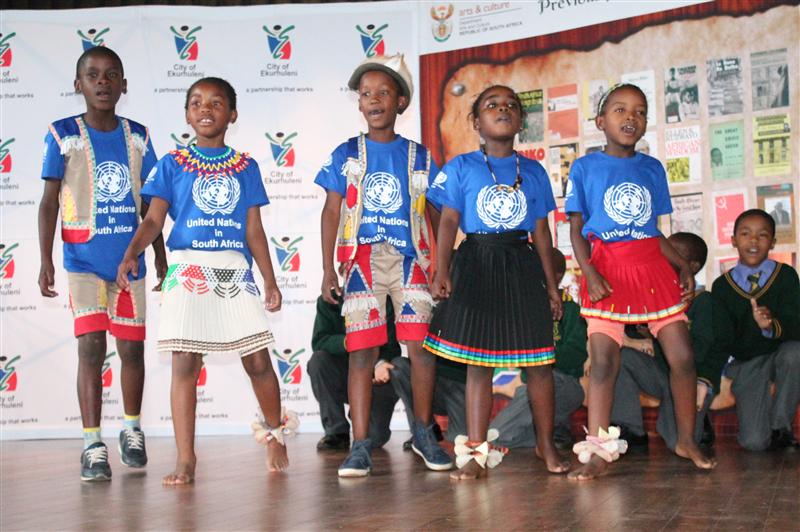
A total of 250 learners from various schools around Ekurhuleni and parts of Tshwane gathered to celebrate their identity through their home languages.
On Friday last week (February 24) an event to celebrate International Mother Language Day was held at the Wynand Marais Centre in Birchleigh.
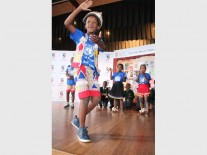
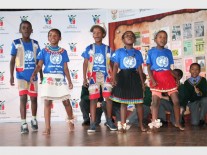
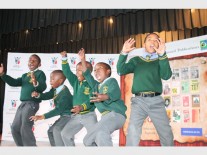
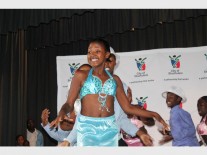
The schools children jumped on stage to give performances ranging from poetry, story telling, news reading, spelling bee and music in their respective home languages including IsiZulu, IsiXhosa, SeSotho, SeTswana and SePedi.
The theme for this year was “Towards Sustainable Future through Multilingual Education”, in line with Sustainable Development Goal 4 on education of the 2030 Agenda of the United Nations and emphasises the importance of appropriate languages of instruction, usually mother tongues, in the early years of schooling.
One of the speakers was the University of Johannesburg’s Sam Mutsweni, who spoke about pursuing one’s mother language as a career. During his address, he emphasised the importance of children knowing and speaking their mother tongue as it is a part of their identity.
“As parents we take our children to ‘Model C’ schools where they are taught in English, but make the mistake of continuing to speak in English at home instead of our mother languages,” Mutsweni said.
Eventually, this results in children losing a grasp of their indigenous languages.
“Parents shouldn’t neglect their mother languages. The ideology that a child who speaks fluent English is intelligent is not true. Be proud of your child who speaks his or her home language fluently.”
This year, the National Library of South Africa (NLSA) through its outreach unit, Centre for the Book, in partnership with the Ekurhuleni metro, Es’kia Mphahlele Community Library, Gauteng Department of Education, the United Nations Information Centre (UNIC) in Pretoria, and Mzantsi Spelling Bee collaborated to celebrate the day.
International Mother Language Day (IMLD) was proclaimed by the General Conference of the United Nations Educational, Scientific and Cultural Organisation (Unesco) in November 1999 and has been observed every year since February 2000 to promote linguistic and cultural diversity and multilingualism.
The date represents the day in 1952 when students, demonstrating for recognition of their language, Bangla, as one of the two national languages of the then Pakistan, were shot and killed by police in Dhaka, the capital of what is now Bangladesh.