
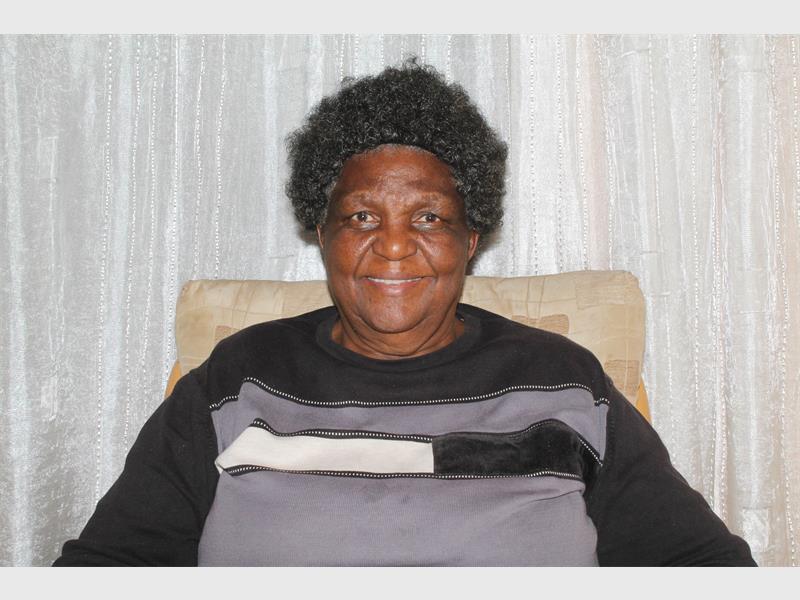
Contributed by Flora K. Modiba (In response to community views published in the Tembisan, What do you think of hospices?
Many people associate hospice with death.
Hospice is not a building, it is a philosophy of care, a way of caring for very ill patients. 99.5% of hospice care takes place in the home of the patient.
Patients are brought to the hospice building called “In-Patient Unit” for only two reasons – terminal care or respite care.
Terminal care is care given to a patient in the end-of-life phase.
Also read:
• Woman takes care of the sick
Respite care is care given to the family who have nursed a terminally ill patient for a long time and they feel exhausted. The hospice staff then admit the patient in the In-Patient-Unit (Hospice building) to give the family a break of two to three weeks.
The role of hospice is to provide the patients and family with technical care (professional Care) which the family is not trained to provide. Most patients in their end-of-life stage have particular problems associated with their illness, e.g. Cancer patients have a lot of pain, constipation, loss of appetite, sleeplessness, nausea and vomiting.
If the patient is registered within a hospice programme, the professional nurse visits the patient regularly to check the progress of the patient and to provide care for any problem the patient might be having. Very often when you visit a patient for the first time, you find the patient with a lot of pain medication that is not effective because the patient and family do not know how the medication should be taken. That is when you need the guidance of hospice staff.
In many instances, I have listened to people saying: ‘I can not forget how my mother or father or sister, brother or any family member suffered pain until he/she died.’
Family members mean well when they want to keep their patients at home but they do not know how to deal with medical problems. Therefore, they disadvantage the patient by not registering him/her with the hospice where the patient will be visited at home and professional advice will be given. The patient can be nursed in his/her home until he/she passes on.
For the further information, please phone the Arebaokeng Hospice Staff at 011 025 0702.