
Bird flu: higher egg prices and shortages loom
More than 23 commercial farms have already been affected
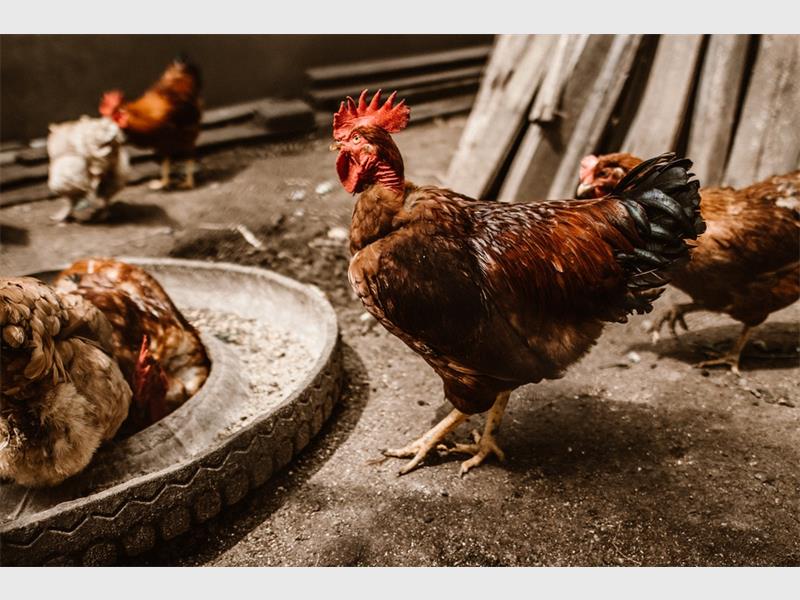
The outbreak of bird flu has already wiped out more than 15 per cent of South Africa’s layer hens with the prospect of hefty price increases due to the resultant shortage in table eggs.
According to Dr Charlotte Nkuna, interim CEO of the South African Poultry Association (SAPA), the estimate is that more than four million chickens have been or are in the process of being culled.
Also read:
• Avian flu: What you need to know
• 400 000 birds to be culled on Germiston Farm
• 28 000 birds to be culled after first outbreak of highly pathogenic Avian Influenza H5N8
“This includes almost four million layers, 360 000 broiler breeders and just over 31 000 layer breeders,” she said.
The layer flock stood at about 24 million before the outbreak of bird flu. Nkuna added that more than 23 commercial farms have already been affected.
According to agricultural economist, Prof Johan Willemse, the shortage of table eggs could lift prices by 15 to 20 per cent.
“Furthermore, as things stand, it can take anything from one to two years for the layer flock to return to levels they were before the bird flu outbreak, which means a prolonged shortage of eggs,” Willemse said.
Nkuna said the recovery depends on how quickly the chicken farmers are willing to risk repopulating. “We anticipate that it will take an average of six months for the farms to be repopulated, some maybe sooner and others preferring to wait a bit longer. This also depends on the available funds to be able to buy the replacement stocks,” she added.
According to Nkuna, there are some that are considering importing table eggs. However, the cost of air transport makes it somewhat uneconomical.
“And, if the cheaper option of sea fright is considered, the time it takes to transport by sea will make it very difficult to get the eggs to South Africa within the prescribed shelf life.”
Willemse said imports are problematic because of eggs being such fragile produce.
The highly pathogenic avian influenza (HPAI) H5N8 in chickens was detected in South Africa for the first time in late June in Mpumalanga, but has since spread to other provinces including the Western Cape, Gauteng, KwaZulu-Natal, the Free State and Eastern Cape.
Liana Steenkamp from agricultural group Laeveld Agrochem said the H5N8 strain, which is usually spread by wild birds, does not pose a direct threat to humans.
According to Steenkamp, direct job losses due to the bird flu have already risen above 1 000, with further losses expected in secondary sectors.