
Hygiene practices can help limit further spread of African Swine Flu
The recent outbreak of African Swine Flu (ASF) is a reminder that the food supply chain is under constant threat of disease or contamination along the agricultural value chain.
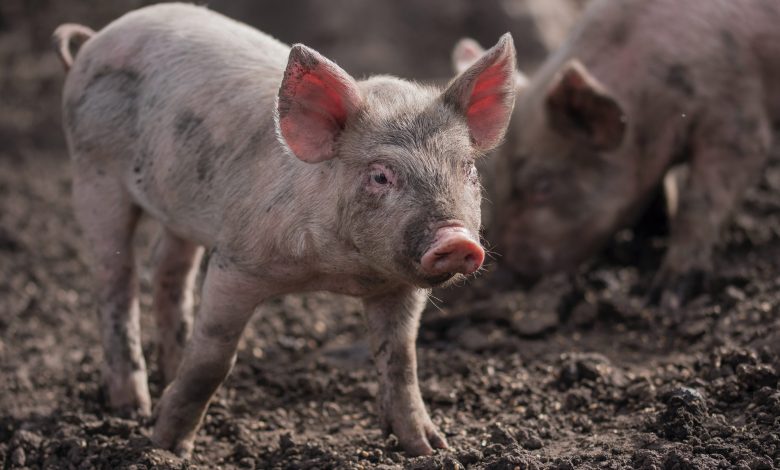
According to a joint statement by the Department of Agriculture, Land Reform and Rural Development (DALRRD) and the Western Cape Agriculture Department on February 26, smallholdings in Mfuleni were recently found to be positive for ASF.
This is the first time that farmers in the Western Cape are faced with an ASF outbreak and it follows numerous outbreaks in Gauteng, the Free State and North West province earlier this year. While a ban has been imposed on the sale and movement of live pigs from the Mfuleni area, 100 pigs have been culled following the outbreak in Potchefstroom in the North West.
“Strict biosecurity and farm management protocols could help minimise the spread of the disease and can enhance the health and productivity of pigs,” says Emma Corder, Managing Director of Industroclean, a supplier of industrial cleaning equipment to the agricultural sector.
Click here to view the report. There are multiple points at which infection or contamination can be introduced unless stringent hygiene standards are maintained. Management, routine cleaning and disinfection, general housekeeping and even the design of the piggery can impact standard hygiene.
Floor-type and maintenance can also impact the pigs’ health and hygiene conditions in the pen. Fully and partly slatted pens are best. Fully slatted pits should be drained at least twice a day and solid floor pens should be fitted with a separate drain. It is important that the area where the pigs are kept has a washable surface. A high-pressure washer can be used to thoroughly clean this area of the piggery.
Another recommendation is to regularly inspect the pen floors, walls, and ceilings to ensure they are free from cracks so that cleaning and disinfection can be more effective. Trough designs should prevent pigs from walking, lying, or urinating in it and in this case trough feeding is better than floor feeding.
Ways to keep pig environments hygienic and minimise the risk of contamination include:
- Limit staff movement and encourage staff to stay on the farm for a full shift,
- Wash hands before and after entering the piggery.
- At the entrance of the piggery, use footbaths with disinfectant and change the fluid daily,
- Limit access and reduce visits to only those by essential visitors like vets who on arrival should wash their hands, change their clothes, and wear protective shoes,
- All delivery vehicles should be disinfected after each trip focusing on the vehicle’s ramp and wheels,
- Dry clean and remove all organic matter from pens before disinfection as disinfectants could adversely react with organic matter.
- Hose down floors, walls, and ceilings,
- Apply detergent, ensuring sufficient contact time as per the manufacturer’s instructions,
- Rinse all surfaces, followed by applying a disinfectant, and
- Feeding troughs should be cleaned routinely and be drained, thoroughly cleaned, and disinfected at least weekly.
Also follow us on: