
Local centre aims to halt substance use in townships
“Addiction is chronic and lifetime. Substance abuse patients should be given a chance to rehabilitate,” said Makukhanye Alcohol and Drug Centre social worker Isaac Penuel Mathebula.
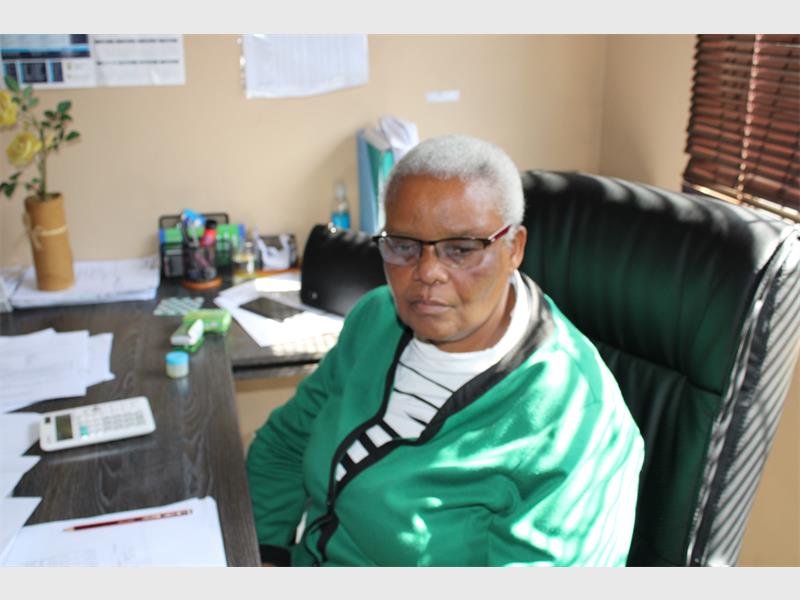
Makukhanye Alcohol and Drug Centre aspires to combat substance abuse in the community and give a drug-free life to those in need.
It was established in 2006 after the discontinuation of substance abuse services of Emil Clinic in Emfihlweni Extension in Thembisa.
The centre renders free services to substance abuse patients as well as programmes, such as drug prevention, early intervention, after-care, training referrals and the Ke Moja substance prevention programme.
Makukhanye works closely with various rehabilitation centres around Gauteng, including Dr Fabian and Florence Ribeiro Treatment Centre Sick Bay and Admissions, Life Esidimeni and the South African National Council on Alcoholism and Drug Independence.
Isaac Mathebula, a social worker of the organisation, said the facility deals with patients who use various types of drugs, such as dagga, marijuana, glue and nyaope, which is the most used drug due to its affordability and accessibility.
“The effects of substance abuse in the community is quite severe, especially to families. Parents lose valuable items and the community tends to rely on mob justice as an alternative form of justice.
“Patients can be reluctant when asked where they get the drugs. They do not mention the names of those who sell the drugs.”
Mathebula is responsible for diagnosing patients, using assessment and screening processes.
“When we diagnose a patient for the first time, we use an intake assessment form, which shows the dynamics of the drug(s) used. We also screen the patient to learn if they will benefit from the services provided and a next appointment date will then be issued to the patient.”
Since the organisation does not consist of any healthcare workers, patients are required to go for medical assessments at their nearest clinic for the social workers to determine if they should get admitted into the rehabilitation centre.
“Some patients will not make it to their next appointment because they relapse. The factor that contributes to this is the wrong association, when they come back from rehabilitation centres they return to the same communities where drugs are easily accessible.
“I have dealt with a case where an eight-year-old minor was diagnosed a glue sniffer. Families should be mindful of their social surroundings, children can easily be affected by the communities they live in,” Mathebula said.
According to Kabonina Masombuka, the manager of Makukhanye Alcohol and Drug Centre, the increasing level of substance abuse in the Thembisan community is due to unchanging contributors such as peer pressure, experimentation and family disintegration.
“Although we have not yielded as many results as we wished to, our organisation is continuing to raise awareness in the community and providing knowledge to those who are likely to fall victims to these life-threatening substances.”
Makukhanye Alcohol and Drug Centre still hopes to achieve tremendous results from the awareness campaigns they hold in the community to help eradicate the use of substance abuse while continuing to provide services to community members who are not able to afford them.
Also follow us on: