
More Dream Rooms to bring added joy for ailing children
The rooms create a unique therapeutic environment for children enduring extended hospital stays, offering them a much-needed escape from the clinical setting.
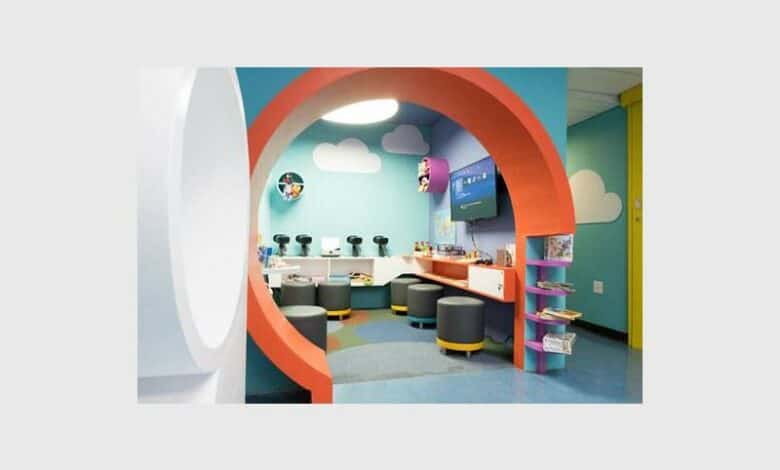
The Reach For A Dream Foundation, dedicated to alleviating the challenges children with life-threatening illnesses and their families face, recently announced the expansion of its Dream Room initiative, with eight new Dream Rooms set to launch in hospitals across SA by the end of the year.
These new additions will be at the Tygerberg Hospital, sponsored by Medtronic; St Joseph’s Intermediate Paediatric Care, sponsored by Cell C; two rooms at the Charlotte Maxeke Johannesburg Academic Hospital, sponsored by DHL and Emperors Palace; the Rahima Moosa Mother and Child Hospital, sponsored by the Oregon Medical Group; the Steve Biko Academic Hospital, sponsored by the Federated Employers Mutual Assurance Company; the Pholosong Hospital, sponsored by Disney and the Port Elizabeth Provincial Hospital, sponsored by Truworths.
ALSO READ: Thembisa Foundation celebrates a culture of fitness
With these launches, Reach For A Dream has established 46 Dream Rooms nationwide and hopes to open even more.
These rooms create a unique therapeutic environment for children enduring extended hospital stays, offering them a much-needed escape from the clinical setting and the chance to experience the joy of being a child.
The Dream Rooms provide a sanctuary for children battling life-threatening illnesses and spark joy, creativity and a sense of wonder.
These spaces have a range of activities, including arts and crafts, Lego building and educational games.
For children undergoing lengthy and often stressful treatments, these rooms are a much-needed respite that entertains and supports their emotional and developmental well-being.
Dr Thurandie Naiker, a senior specialist radiation oncologist at the Groote Schuur Hospital, highlights the impact of the Dream Rooms.
“The Reach For A Dream Dream Room at our hospital has had several positive effects on the physical, emotional and psychological well-being of children and their families.
ALSO READ: Grace Foundation hosts a fundraiser
“It reduces anxiety and stress, significantly improving the mood of our young patients. The bright colours and playful décor offer a warm, welcoming space for families to spend time together, strengthening their bonds.
“The child-friendly environment also makes children more receptive to medical treatments, another reason the Dream Rooms work so well.”
Natalie Lazaris, the head of fundraising at Reach For A Dream, thanked the partners that made these rooms possible.
“We are thankful to all our sponsors who help make these Dream Rooms come to life. These spaces are vital for children, and we couldn’t do it without them.
“We are also always looking to open more Dream Rooms around the country, so get in touch with Reach For A Dream if you’d like to know more or help make an impact.”
ALSO READ: Chesa Foundation continues to feed the needy
The Dream Rooms provide joy and entertainment and are crucial in helping children meet developmental milestones that might otherwise be delayed because of extended hospital stays.
Each room is thoughtfully designed to provide a sense of normality, safety and creativity in what can often be an intimidating and clinical environment.
The success of the Dream Rooms is largely due to the collaborative efforts of medical staff, nurses and volunteers, whose involvement ensures these spaces are accessible, welcoming and safe for children.
This teamwork allows the rooms to function as a core element of paediatric care at many hospitals, fostering a positive environment for children while navigating their treatments.
Beyond creating healing spaces for children, Reach For A Dream is committed to empowering communities by offering on-the-job training and work readiness programmes.
ALSO READ: Miss Tembisa Foundation runs a dignity drive
Through the Dream Room initiative, young professionals get invaluable experience, with 50% of interns holding degrees or diplomas in psychology, 30% having experience in early childhood development (ECD), many as teaching assistants, and 20% being recent school leavers eager to pursue a career in ECD.
These interns do a 12-month ECD learning programme, receiving practical, on-the-job training.
This initiative provides children with life-changing experiences and equips interns with essential skills, preparing them for long-term career success in ECD and care.