
Arwyp champions the life-saving power of organ donation
Arwyp Medical Centre champions life-saving organ donation awareness In a world where heartbreak and healing often go hand in hand, Arwyp Medical Centre stands at the forefront of one of humanity’s most powerful acts: organ donation.
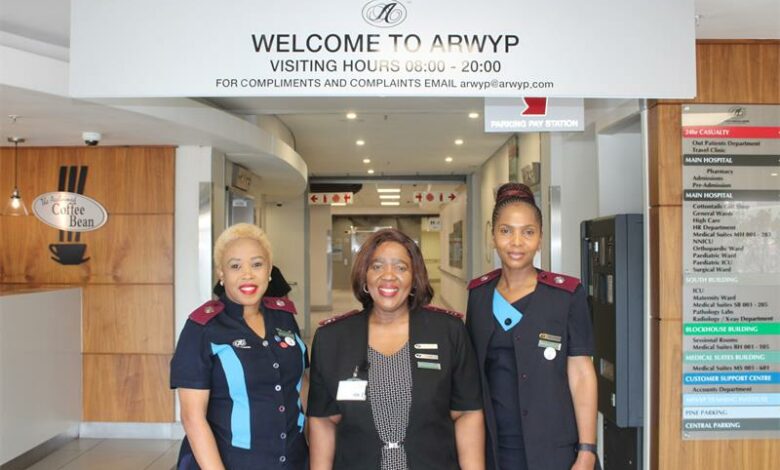
In a world where heartbreak and healing often go hand in hand, Arwyp Medical Centre stands at the forefront of one of humanity’s most powerful acts: organ donation.
During a recent visit, Kempton Express spoke to Arwyp’s dedicated transplant ambassadors, who are on a mission to raise awareness and educate the public about the life-changing impact of this selfless act.
At the heart of their message is a powerful truth: one donor can save or improve the lives of up to 50 people.
ALSO READ: Local philanthropist leads sock donation campaign
“There are seven major organs that can be donated: the heart, lungs, liver, kidneys, pancreas, skin, and bones,” said Noma Mdledlana, a matron and transplant ambassador at Arwyp.
“That’s the true power of organ donation – one life helping many others.”
The ambassadors explained there are two types of donors: living and deceased.
“A living donor is someone who is still alive and chooses to donate an organ, usually a kidney or part of the liver, often to a family member,” said Adolphine Ramoshaba, theatre sister and transplant ambassador.
“A deceased donor is someone who has passed away and either expressed the wish to donate or whose family gives consent. Their donation can save several lives,” she added.
They emphasised that organ donation is not automatic, even after death. Consent from the family is essential before the process can begin.
“Before anything happens, the family must give consent,” explained Connie Selahle, ICU sister and transplant ambassador.
“Medical teams then run tests to ensure the donor and recipient are compatible, which is critical for a successful transplant.”
Despite its life-saving potential, organ donation remains misunderstood in many communities. Myths, fear, and religious concerns discourage many from registering or discussing their wishes.
ALSO READ: Clothing and blanket donations needed for June 28 drive
That is why hospitals like Arwyp are working hard to break the stigma.
“Many people still don’t understand the importance of organ donation and how it can save lives,” said Fahima Gregory, marketing and communications manager at Arwyp.
“We need to do more to educate communities, break myths, and encourage open conversations with families about becoming donors.”
When we choose to donate, even in death, we give something extraordinary: the gift of life.
Register to become an organ donor at www.odf.org.za
SIDEBAR:
Did you know?
• Over 4 700 people in South Africa are waiting for organ transplants.
• A single donor can save up to eight lives and help up to 50 people through tissue donation.
• Organs that can be donated include the heart, lungs, liver, kidneys, pancreas, skin, and bones.
• You can be a living donor (kidney or part of the liver) or a deceased donor (after death, with family consent).
• Talk to your family. Your consent matters, but their approval is also required in South Africa.