
SANBS explains why blood can’t be bought or sold
The South African National Blood Service (SANBS) reminds the public that donating blood is an act of compassion that saves lives – and not a transaction.
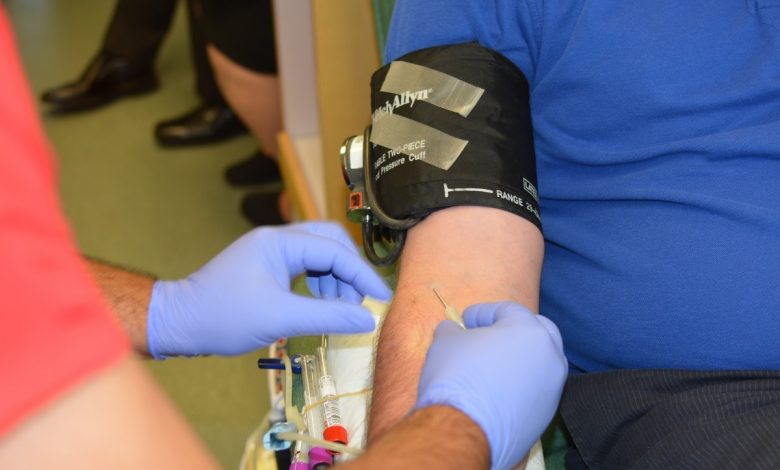
Maintaining sufficient blood supplies remains one of South Africa’s most significant health challenges, with less than 1% of the population actively donating blood.
According to the SANBS, each unit of blood collected has a limited lifespan of only 42 days, making regular donations essential to meet ongoing demand.
One of the most common questions SANBS receives is why donors are not paid for their blood, and why hospitals are charged for what appears to be a “free” resource.
Under the National Health Act 61 of 2003, it is illegal for blood donors to receive financial or material rewards for donations.
The World Health Organisation (WHO) and the International Federation of Red Cross and Red Crescent Societies also advocate for a 100% voluntary blood donation system, which ensures safety and sustainability.
“For most people, donating blood is an act of pure altruism – knowing that one unit can save up to three lives,” SANBS said.
Why blood isn’t free
SANBS explained that while blood is donated voluntarily, the process of collecting, testing, storing and distributing blood is complex and costly.
The organisation is a non-profit entity that does not receive government funding.
Instead, it operates through service fees that cover essential costs, including:
• The use of approved blood bags and medical tools
• Transporting donations to testing laboratories
• Screening every unit for diseases such as HIV, Hepatitis B and C, and Syphilis
• Staff salaries, equipment, and logistical expenses
“Every step in the journey of blood is critical. From donor screening to transfusion, each stage requires precision and expertise to ensure quality and safety,” SANBS said.
Who pays for blood transfusions?
Patients receiving blood in public hospitals are covered by government funding, while private hospitals claim costs from medical aid schemes as part of prescribed minimum benefits.
Cash-paying patients at private facilities are responsible for their own accounts. SANBS encourages patients facing financial difficulty to reach out for assistance.
The risks of paid donation
Paying for blood, SANBS warns, can create serious health risks. In systems where donors are paid, there’s a higher risk of individuals hiding their medical history for financial gain, which could lead to contaminated or unsafe blood entering the supply.
By contrast, voluntary donors have little incentive to lie, ensuring safer, more reliable blood donations.
A life-saving act of kindness
Blood transfusion is a vital part of healthcare in South Africa, used in treatments for trauma, surgery, childbirth, and chronic illness.
“Each donation gives patients the gift of a second chance – something science cannot create,” SANBS added.
The organisation continues to urge healthy, eligible South Africans to donate blood every 56 days to sustain this life-saving resource.