Thembisa women celebrated as legacy of 1956 Women’s March lives on
CoE commemorate women's month in an intimate ceremony.
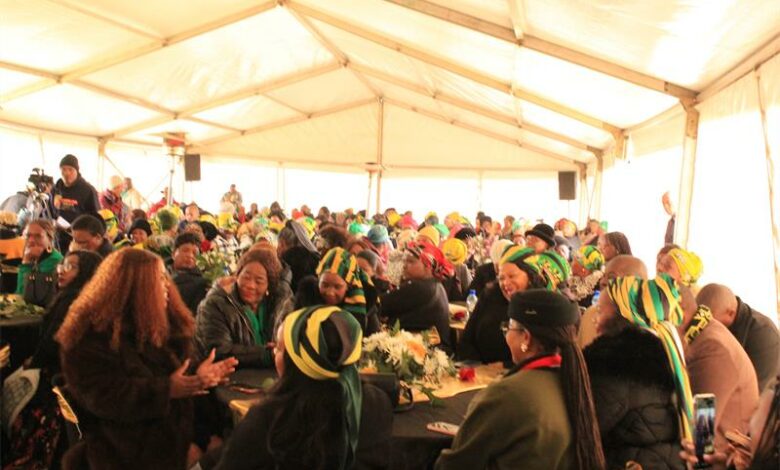
Seventy years after thousands of women marched to the Union Buildings in Pretoria to protest against apartheid pass laws, women who have continued to serve and strengthen the Thembisa community were commemorated during a Women’s Day ceremony at Oakmoor on August 10.
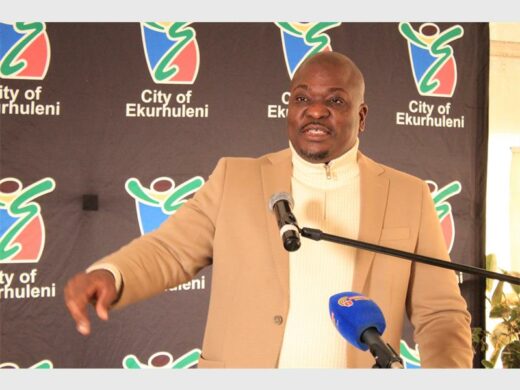
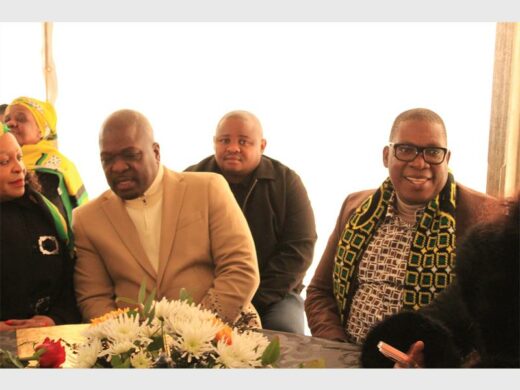
The City of Ekurhuleni, led by Mayor Nkosindiphile Xhakaza, hosted the intimate gathering together with Gauteng Premier Panyaza Lesufi and ANC deputy secretary-general Nomvula Mokonyane.
The ceremony honoured both women from previous generations who contributed to the development of Thembisa and those who continue to serve their communities today.
ALSO READ: Letter: EMPD spokesperson reflects on Women’s Month
The event also reflected on the significance of August 9, 1956, when approximately 20 000 women marched to the Union Buildings in Pretoria to protest against the apartheid government’s pass laws.
Xhakaza said the legacy of the women who participated in the historic march continues to have an impact on women today.
“On August 9, 1956, a Thursday chosen deliberately because it was the one day domestic workers were given off, approximately 20 000 women of every race marched to the Union Buildings in Pretoria,” Xhakaza said.
He said the women travelled from across the country by train, bus and on foot, eventually gathering at the Union Buildings despite restrictions imposed by the apartheid government on large gatherings.
“They carried 14 000 signed petitions, objecting to a regime that intended to force African women, for the first time, to carry the disgraceful passbook that had already imprisoned their husbands and sons within the borders of their own country,” he said.
ALSO READ: Kempton police conclude Women’s Month in style
The march was led by four women who became prominent figures in South Africa’s history: Lilian Ngoyi, Helen Joseph, Rahima Moosa and Sophia Williams-De Bruyn.
“At the front of that march stood four women whose names now belong to history: Lilian Ngoyi, president of the Federation of South African Women; Helen Joseph; Rahima Moosa, who made that long walk while heavily pregnant; and Sophia Williams, who was only 18 years old at the time,” Xhakaza said.
The women climbed the steps of the Union Buildings to deliver the petitions to then Prime Minister JG Strijdom, who was not present to receive them.
Xhakaza said the events of 1956 remained relevant because of the role women continue to play in shaping their communities.
The Oakmoor ceremony provided an opportunity to reflect on this legacy while recognising women from Thembisa who have contributed to their community in different ways.
Despite windy conditions on the day, the gathering remained focused on recognising the women who had dedicated their time and efforts to supporting others.
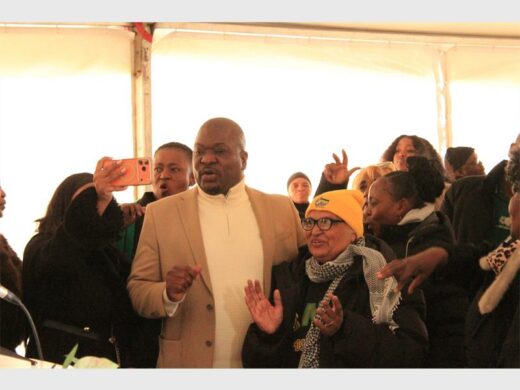
Ward 7 councillor Thabang Jiyane welcomed delegates and attendees to the event.
The commemoration formed part of the City’s Women’s Month activities and highlighted the contribution of women in Thembisa. This includes those who played a role in the community’s past to those who remain active in addressing challenges facing residents today.