
Impatient For Action of Van Riebeeck Park writes:
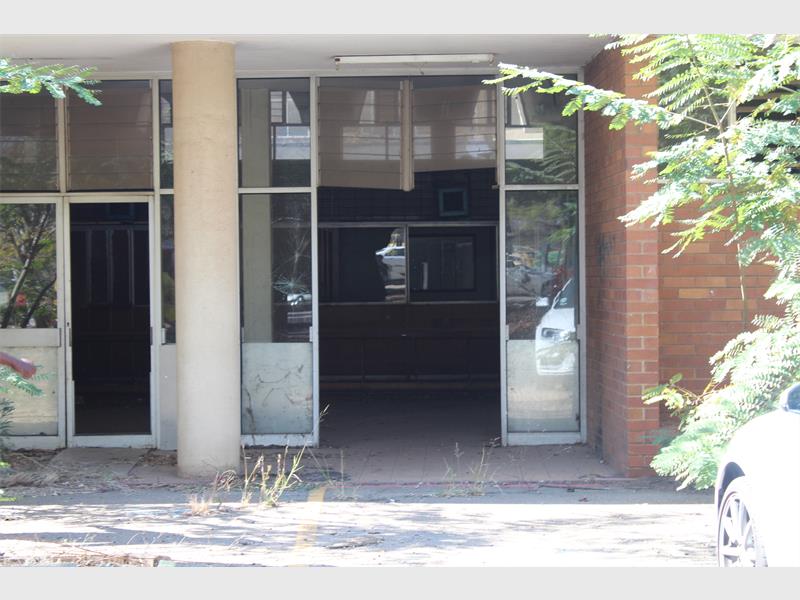
At a meeting on June 15, residents were informed that to refurbish the hospital would cost in the region of R1-billion, or R1.4-b to rebuild.
A newspaper cutting from a mid-2017 issue of Kempton Express contains some interesting information.
The then Gauteng MEC for Infrastructure Development, Jacob Mamabolo, revealed that from when the hospital closed and therefore up to that point in 2017, in excess of R6.9-m had been spent on security. We can now add on a further two years’ expenditure to that figure.
More importantly, in a written reply to Refiloe Nt’sekhe (the DA’s Kempton Park constituency head at that time), Mamabolo confirmed that the hospital was to be demolished, that the process would begin in September 2017, and that the estimated cost of this project would be R127-m.
Again, now add on almost another two years’ inflation to that sum. We’ve gone from millions to billions or billions-plus.
One has to wonder why the process was not begun in September 2017, as per Mamabolo’s categoric statement. Did he have the authority to say what he did? Did other departments within the Gauteng legislature overturn the decision?
How long should the whole process take? Had the process begun when it should have, we would not, two years later, yet again be having the same conversation. Should the hospital be demolished (and if it were, what would replace it?), or could the existing building be refurbished (if still structurally sound, which many doubt, after more than 20 years of neglect).
It appears the decision has been made to demolish it, so let’s get on with it. 2019’s pronouncement simply appears to reiterate and restate what was announced in 2017. All talk, no action. Why a two-year hiatus?
Two things that many residents would want to know are, firstly, would demolition be by implosion (which will doubtless result in a concrete dust-cloud affecting hundreds of homes and several businesses not just in the immediate vicinity), or brick-by-brick (which would take longer, be less polluting, and create jobs); and secondly, much more important, when?