
Ice age brought back with life-size exhibition
Each part of this display has been carefully designed to show younger audiences a fascinating part of our earth’s history
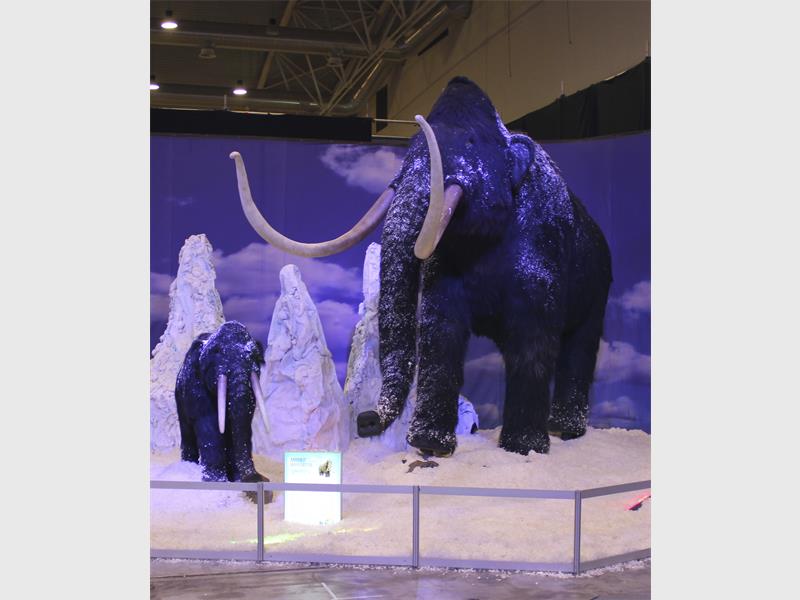
IF you’d like to see how the animals of the last Ice Age adapted and lived in their frosty habitat, you need to see the world-class Ice Age exhibition At Sandton Convention Centre in June.
Combining years of scientific research with the delightful, entertaining side of these massive, long-gone creatures, this exhibition will enthrall and educate young and old this winter.
Brought to South African audiences by the creators of the world-renowned Days of the Dinosaur exhibition, the Ice Age exhibition has been designed with the specific aim of being respectful of scientific research, while still ensuring an entertaining outing for the whole family. The exhibition will offer visitors a chance to experience the latest technology in robotics and animatronic animals, all built to scale.
The display will include 45 moving, life-size animals, including the exhibition favourite, a gigantic mammoth, as well as 11 models in an interactive zone which are sure to delight younger visitors.
The exhibition documents the 27th ice age period, offering visitors a peek into the fascinating world where remarkable creatures such as the mammoth, sabre-toothed cat and giant sloth lived thousands of years ago.
An ice age occurs when the earth’s surface and atmospheric temperature decreases over a long period, resulting in the formation of polar ice sheets and alpine glaciers. The last ice age occurred about 20 000 years ago when the world was on average 5°C colder and in some areas as much as 22°C colder than it is today.
Edmund Beukes, marketing manager of Media24 Lifestyle, the organiser responsible for bringing the exhibition to South Africa, says: “Each part of this display has been carefully designed to show younger audiences a fascinating part of our earth’s history. Working closely with palaeontologists, we have developed a description of each animal along with an explanation of their habits, the environment in which they lived, and how their remains were discovered.”
Doors will open to the public on June 20 at 9am and the exhibition will be open for seven weeks until August 8. Visitors are encouraged to book their tickets early to avoid disappointment. Bookings can be made via Computicket.
Tickets cost R145 adults or R99 children (18 months to 18 years). Children under 18 months (or shorter than the sloth – 83cm) go in free.
Family packages are also available.
The exhibition will be open from 9am to 7pm Monday to Friday and from 9am to 8pm on Saturday and Sunday.